 11
11
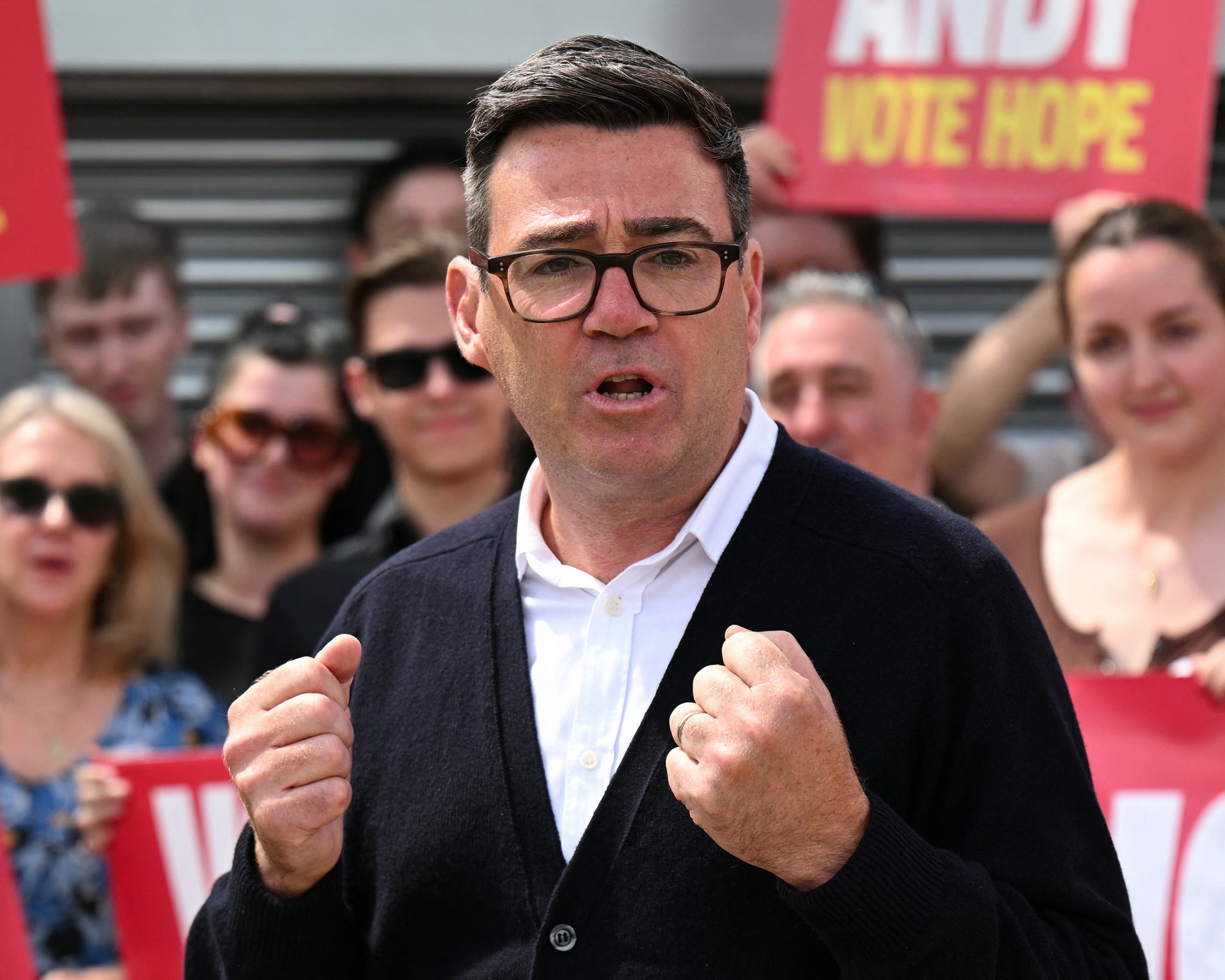
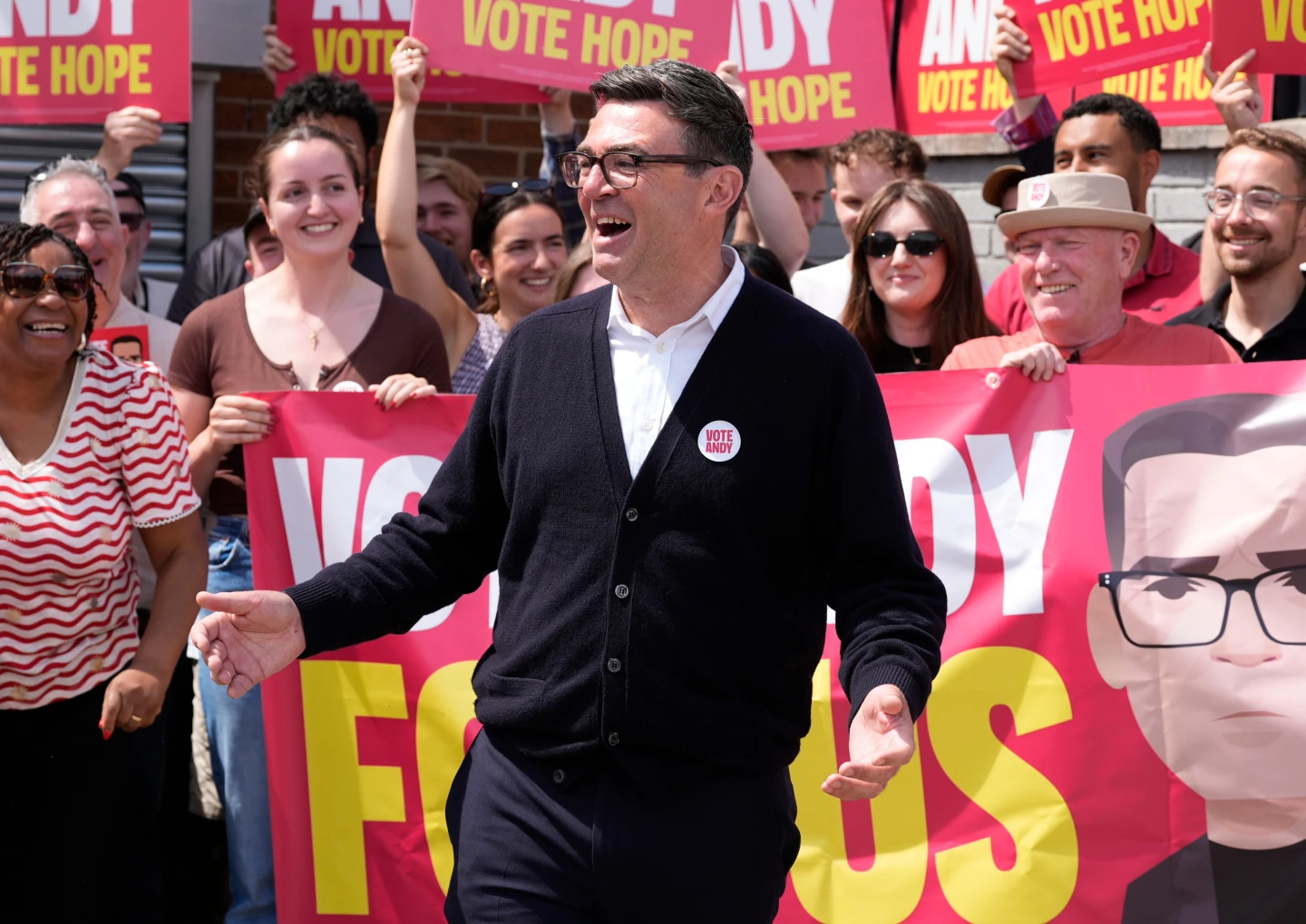
The appointment of Andy Burnham as the United Kingdom’s new prime minister represents more than a change of leadership—it reflects Labour’s attempt to reset its political fortunes after growing public dissatisfaction with Keir Starmer’s government. However, Burnham inherits an economy under strain, mounting pressure over immigration, overstretched public services, and an increasingly volatile international environment, leaving little margin for policy missteps.
One of Burnham’s defining challenges will be reviving economic growth while adhering to strict fiscal discipline. He has promoted a vision often described as “Manchesterism,” emphasizing decentralization, regional investment, infrastructure development, and improved living standards. Yet Britain’s high public debt, sluggish productivity, and limited fiscal flexibility mean delivering meaningful economic change without significant tax increases or additional borrowing will be exceptionally difficult.
Immigration remains another politically sensitive issue. Public concern over both legal and irregular migration has intensified in recent years, helping fuel support for opposition parties. Burnham has indicated he will continue a tougher approach to border management while attempting to balance Labour’s traditional support for controlled migration with growing demands for stricter enforcement. Success in this area will be critical to rebuilding public confidence without alienating sections of his own party.
Foreign policy presents an equally demanding test. Although Burnham has expressed support for NATO and continued backing for Ukraine, he assumes office during heightened geopolitical tensions involving Russia, the Middle East, and the United States. His ability to maintain Britain’s strategic partnerships—particularly with Washington under President Donald Trump—while projecting an independent foreign policy will shape the UK’s global influence.
Domestically, pressure to reduce NHS waiting lists, expand affordable housing, lower living costs, and address regional inequality will require rapid policy implementation. Burnham has built his political reputation on devolving power away from Westminster, but translating regional success into nationwide reform will demand sustained political consensus and administrative capacity.
Ultimately, Burnham’s premiership begins with strong public expectations but limited financial and political resources. His success will depend less on announcing ambitious reforms than on demonstrating that Labour can deliver measurable improvements in economic performance, public services, and border management while preserving Britain’s international standing. Whether he can balance these competing priorities will determine not only his political future but also the direction of the United Kingdom in the years ahead.