 11
11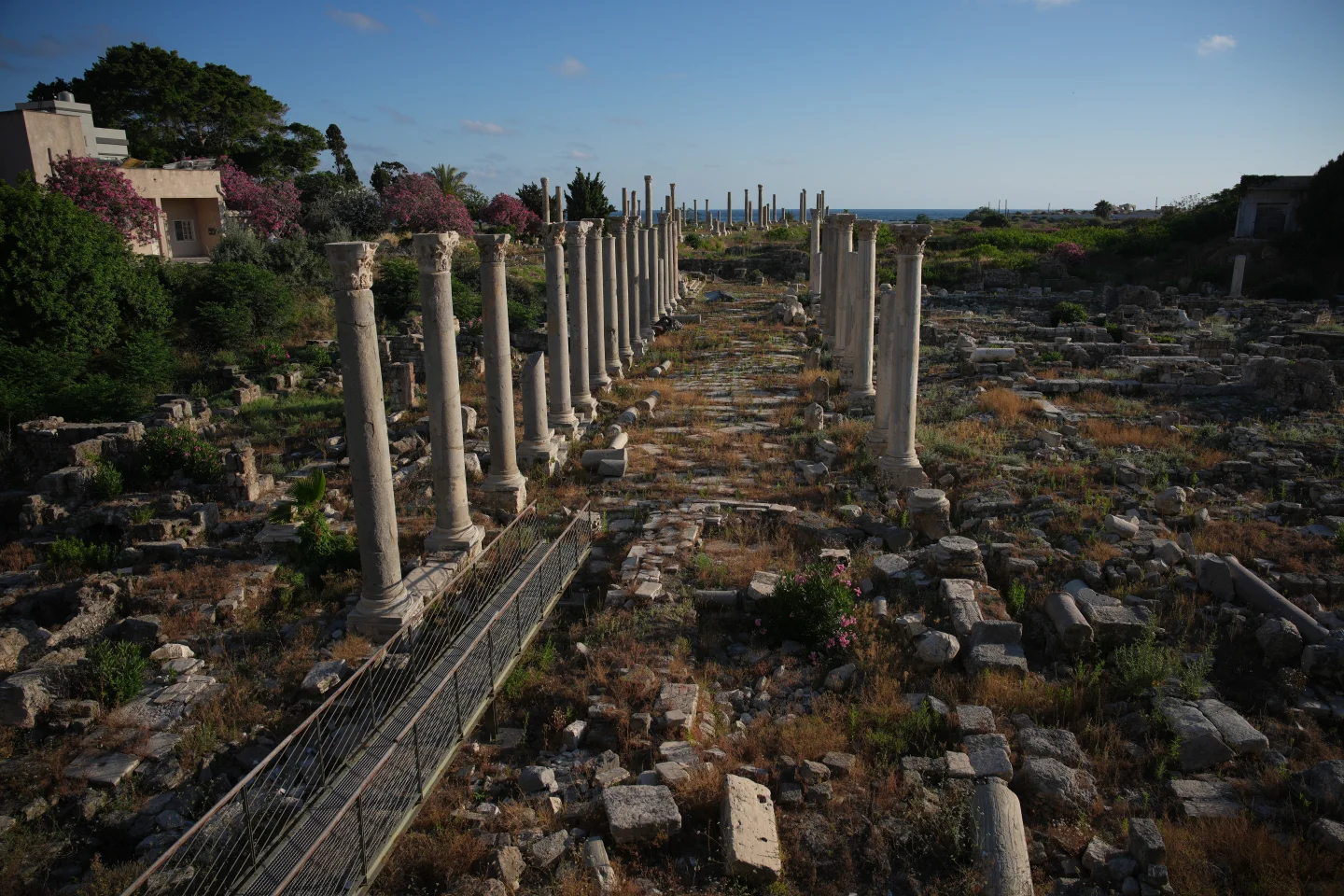
BUSAN: The United Nations Educational, Scientific and Cultural Organization (UNESCO) has added the archaeological site of Sebastia in the occupied West Bank and five medieval castles in Lebanon’s Mount Amel region to both the World Heritage List and the List of World Heritage in Danger, despite strong objections from Israel.
The decision was taken during the UNESCO World Heritage Committee meeting in Busan, South Korea, under an emergency procedure, with the organization citing the risks posed by ongoing conflicts in the Middle East.
Sebastia, located northwest of Nablus, is widely identified by historians as the ancient city of Samaria, the capital of the biblical Kingdom of Israel. The site contains archaeological remains from the Iron Age, Roman, Byzantine and Islamic periods, while both Christian and Islamic traditions associate it with the burial place of John the Baptist. The Palestinian delegation argued that World Heritage recognition would strengthen efforts to preserve the site amid continued Israeli control and conservation challenges.
UNESCO also recognized five historic castles in Lebanon’s Mount Amel region for their exceptional architectural and historical significance, highlighting their blend of Crusader, Ayyubid, Mamluk and local influences that reflect nearly nine centuries of fortified architecture.
Israel criticized the inscriptions, describing the nominations as a politicization of cultural heritage. The Israeli Foreign Ministry accused the Palestinian delegation of attempting to erase the site’s Jewish and Christian historical connections and objected to the inclusion of Beaufort Castle, alleging that Hezbollah had militarized the site. Lebanese representatives rejected the allegation, maintaining that the castles have served only cultural and tourism purposes since Israel’s withdrawal from southern Lebanon in 2000.
UNESCO reiterated that all World Heritage nominations are assessed under the same technical criteria and procedures and stressed that the organization remains neutral regarding political disputes. Earlier in the week, the committee also placed the ancient Lebanese city of Tyre on the List of World Heritage in Danger after damage sustained during recent hostilities.