 11
11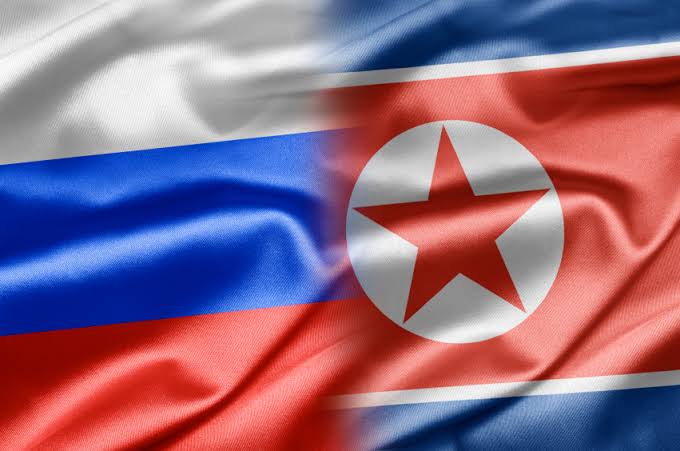
Moscow: Russia and North Korea are nearing the completion of their first-ever road bridge linking the two countries across the Tumen River, a project officially presented as a means to boost trade, tourism, and economic cooperation but increasingly viewed by analysts as a potential strategic military corridor.
The bridge, which connects the Russian town of Khasan with North Korea’s Tumangang region, is being built under the comprehensive strategic partnership agreement signed by Russian President Vladimir Putin and North Korean leader Kim Jong Un in 2024. Once operational, it will complement the existing rail link between the two countries and provide a direct road connection for vehicles and freight.
Security analysts and human rights researchers have expressed concerns that the new crossing could significantly strengthen military cooperation between Moscow and Pyongyang. According to the Ukrainian human rights organization Truth Hounds, the road bridge could serve as a discreet logistics route for transporting military supplies, personnel, and equipment in support of Russia’s war in Ukraine, offering greater flexibility than the existing rail connection.
Satellite imagery has reportedly revealed the construction of additional infrastructure on the Russian side of the border, including a helicopter landing site and expanded customs facilities, developments that experts say could enhance the bridge’s strategic utility beyond commercial purposes.
The project comes amid rapidly expanding military ties between Russia and North Korea. Western and Ukrainian officials have accused Pyongyang of supplying Russia with artillery ammunition, ballistic missiles, and thousands of troops for operations related to the conflict in Ukraine. North Korea and Russia have strengthened their partnership despite international sanctions and growing criticism from Western governments.
While Moscow and Pyongyang maintain that the bridge is intended to promote economic development and cross-border exchanges, observers note that bilateral trade remains relatively modest compared to the scale of the investment, fueling speculation that the infrastructure’s strategic value may outweigh its commercial significance.