 111
111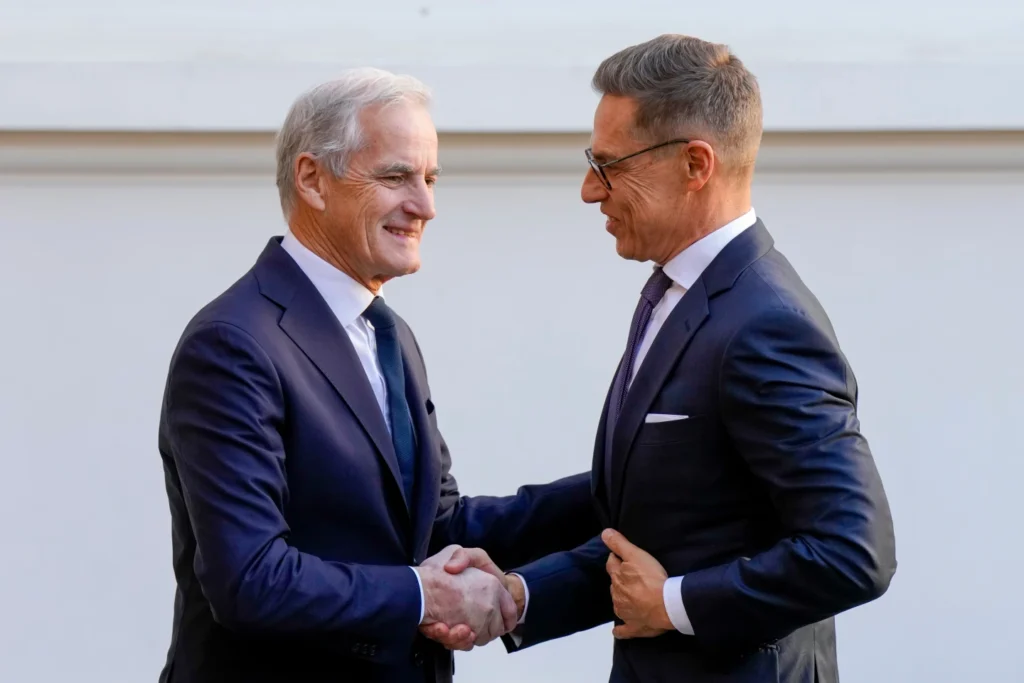 2
2 3
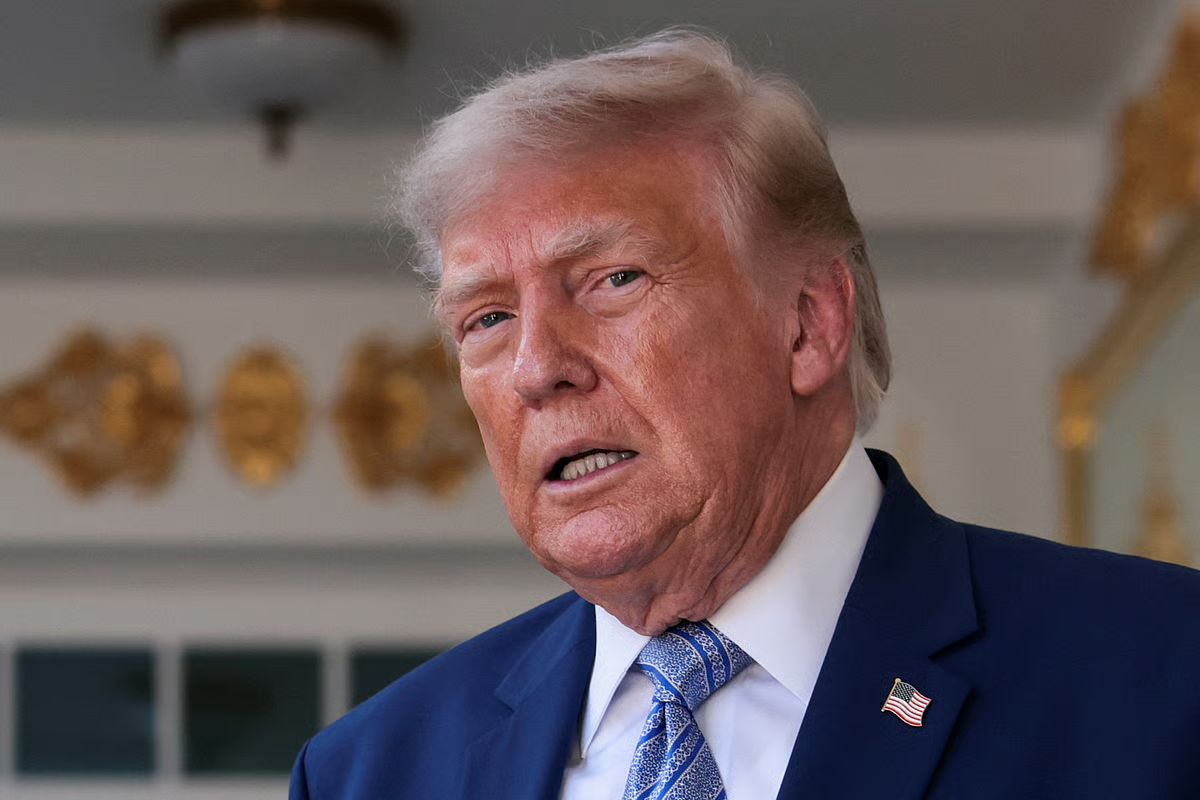
3Washington: U.S. President Donald Trump is set to host Israeli Prime Minister Benjamin Netanyahu and Ukrainian President Volodymyr Zelenskiy in Washington this week as the wars involving Ukraine and Iran enter pivotal phases, placing renewed focus on U.S. foreign policy and its role in addressing two major international conflicts.
The high-profile meetings coincide with a memorial service for late Senator Lindsey Graham, a prominent Trump ally and longtime advocate of strong U.S. support for both Israel and Ukraine. Beyond the memorial, the discussions are expected to center on security cooperation, regional stability, and diplomatic efforts aimed at resolving the ongoing conflicts.
President Zelenskiy is expected to press for expanded U.S.-Ukraine strategic cooperation, particularly additional air defense capabilities, including Patriot missile interceptors, while seeking renewed momentum for peace negotiations with Russia. The visit comes as relations between Trump and Zelenskiy have improved following Ukraine’s recent battlefield successes against Russian forces, despite concerns over delays in the release of approximately $400 million in previously approved U.S. military assistance.
Prime Minister Netanyahu’s visit takes place amid reports of growing differences between Washington and Jerusalem over the handling of the Iran conflict. While both leaders remain committed to strengthening bilateral ties, discussions are expected to address Iran’s regional activities, efforts to expand the Abraham Accords, and the possibility of advancing normalization with additional Middle Eastern countries, including Saudi Arabia.
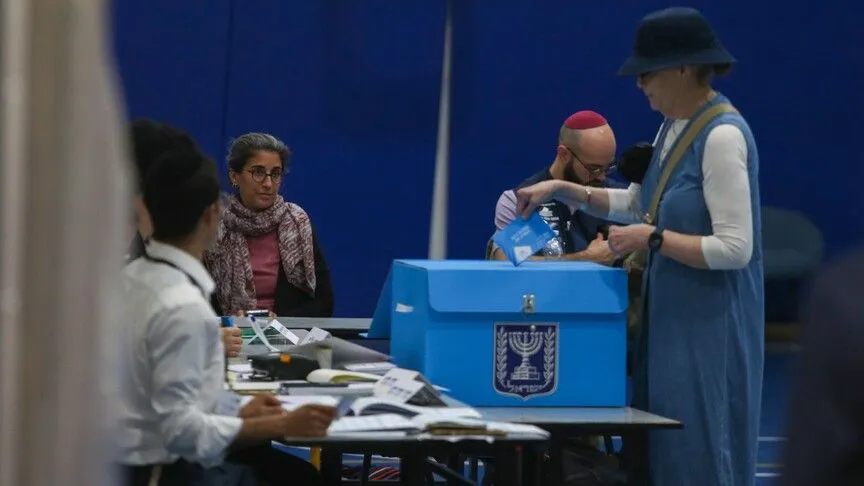
Netanyahu is also seeking Trump’s political backing ahead of Israel’s upcoming elections, while the U.S. administration continues to pursue diplomatic initiatives aimed at reducing regional tensions. Despite recent strains in their relationship, President Trump has publicly reaffirmed his support for the Israeli leader and emphasized the importance of close cooperation on Middle East security issues.
The dual meetings underscore Washington’s central role in managing two of the world’s most pressing geopolitical crises. Observers say the outcomes could significantly influence future U.S. policy toward both Eastern Europe and the Middle East, with implications for regional security, international diplomacy, and ongoing peace efforts.