 11
11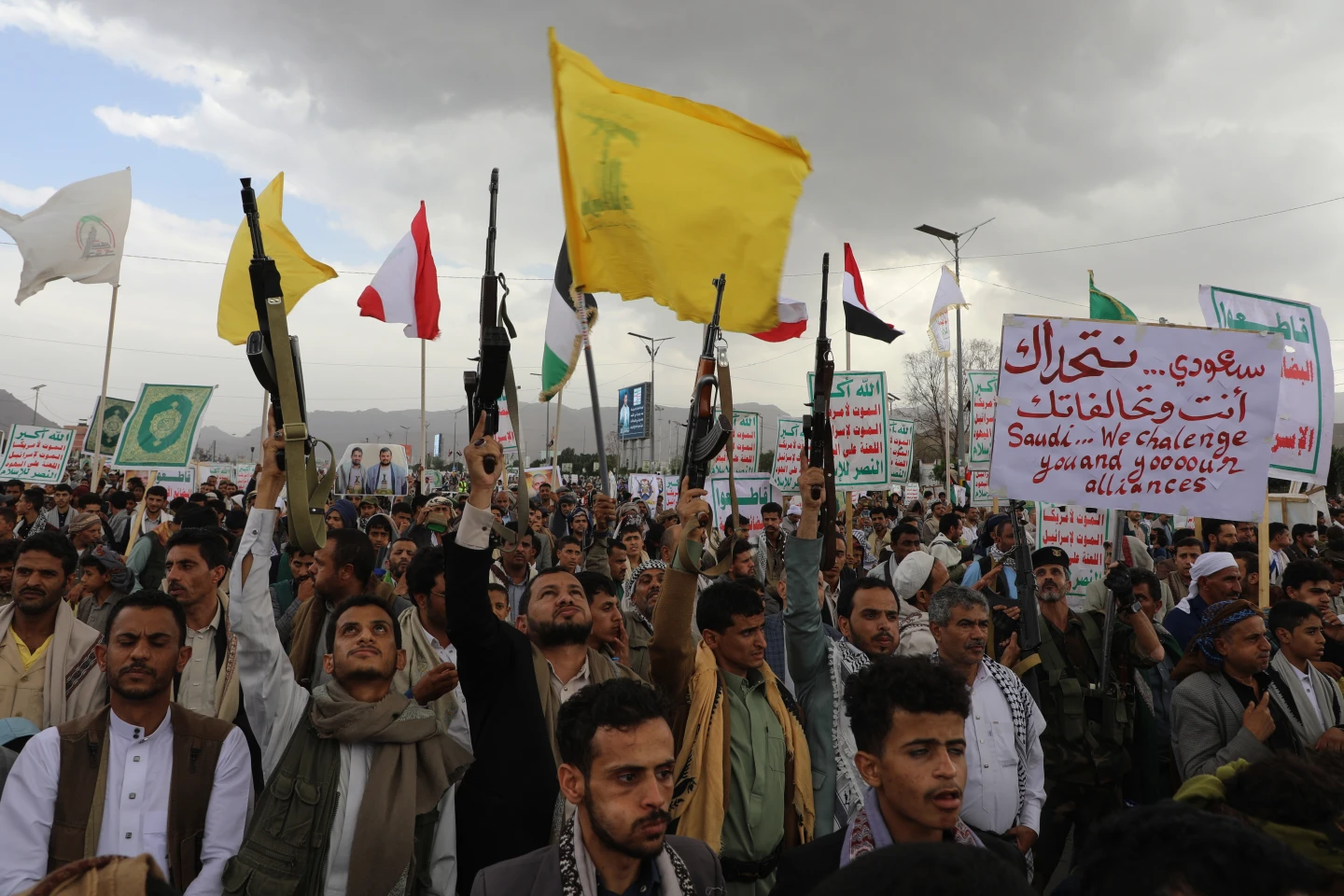
WASHINGTON: Tensions across the Middle East intensified on Tuesday as Iran-backed Houthi forces attacked a vessel in the Bab el-Mandeb Strait, killing six people, while U.S. forces fired on a commercial ship they said was attempting to evade an American blockade of Iranian ports.
Yemeni authorities said four crew members and two members of the government-allied National Resistance Forces were killed when the Houthis fired three ballistic missiles at a Yemeni commercial vessel in the strategic waterway. The incident represents the first reported fatalities from Houthi attacks on shipping during the latest escalation of fighting in Yemen.
The attack comes as the effective closure of the Strait of Hormuz by Iran has increased international attention on alternative maritime routes, including the Bab el-Mandeb Strait at the southern entrance to the Red Sea. The waterway is an important route for regional energy shipments and international commerce.
The latest Houthi attacks have also raised concerns that renewed fighting could undermine a 2022 truce and open another front in the broader Middle East conflict. The group has intensified attacks against Yemen’s internationally recognized government and Saudi interests, including shipping and energy infrastructure.
Meanwhile, the U.S. military said its forces fired on a Panamanian-flagged vessel in the Gulf of Oman after it allegedly ignored warnings while attempting to breach the American blockade of Iranian ports. U.S. Central Command said a helicopter fired missiles into the engine room of the M/V Vela Nova, disabling the vessel. No casualties among the crew were reported in the U.S. statement.
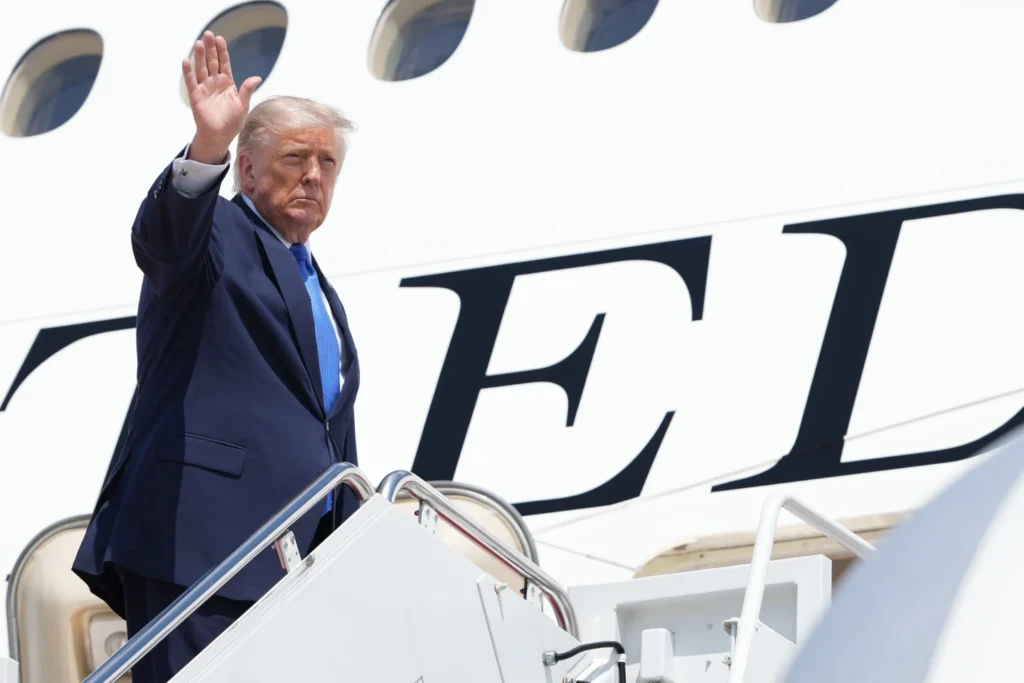
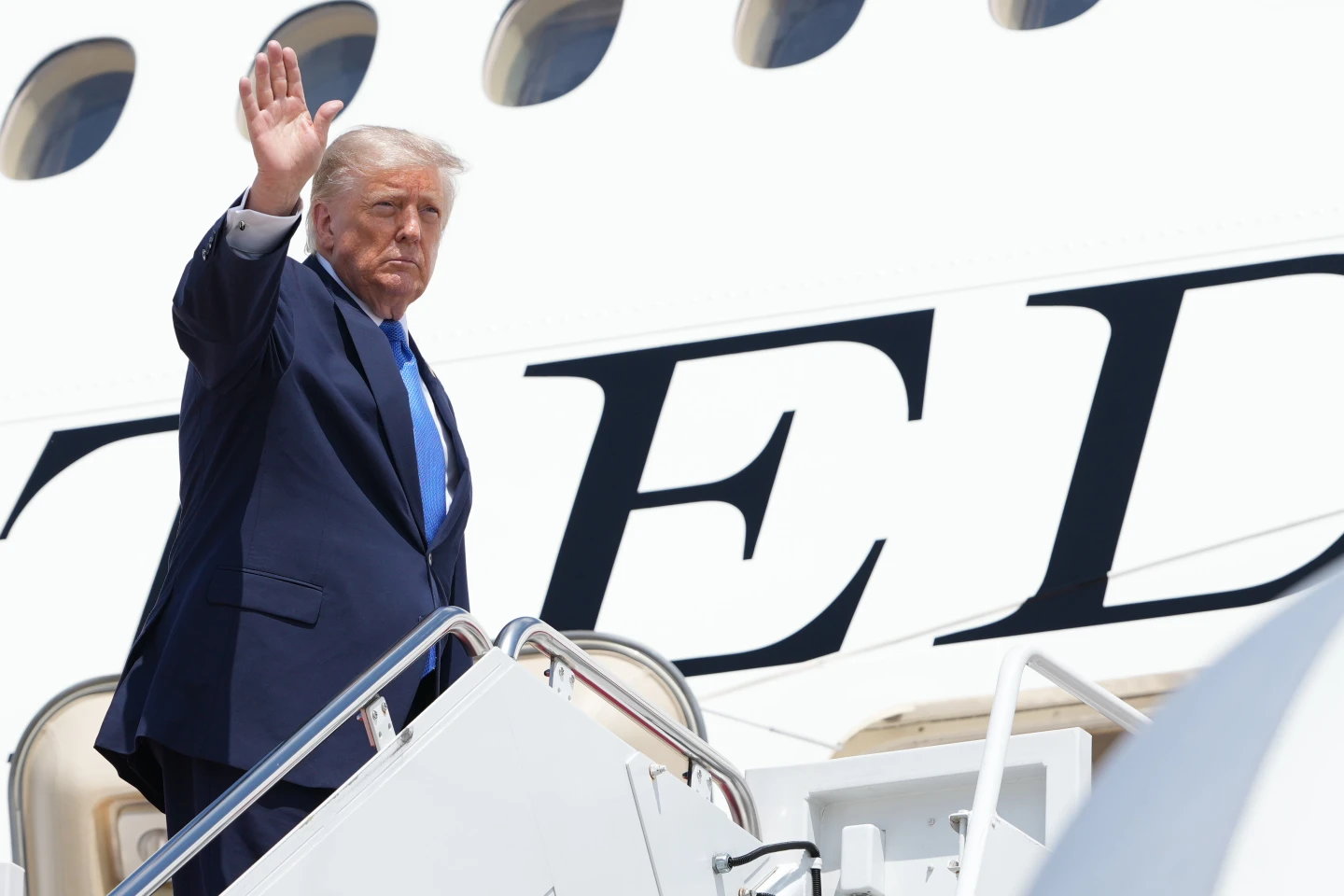
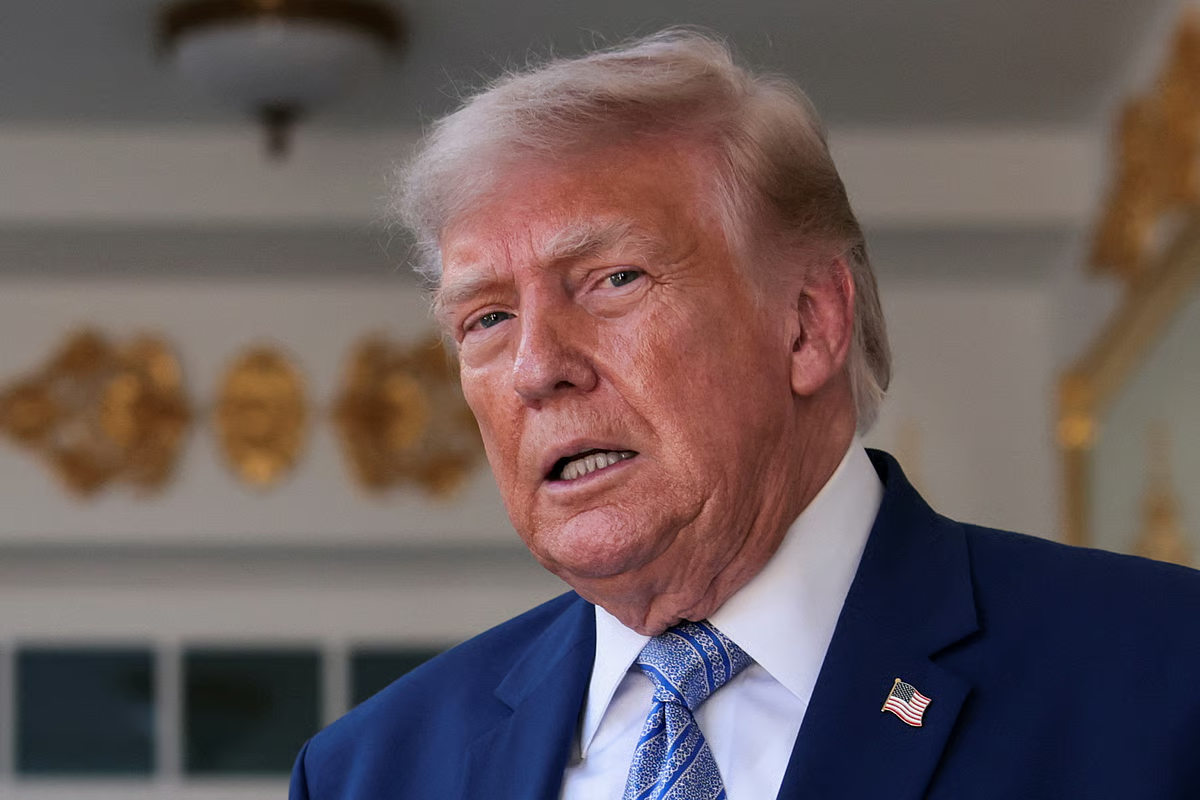
U.S. President Donald Trump said Washington maintained control of the Strait of Hormuz, despite Iran’s continued efforts to restrict maritime traffic. U.S. Central Command said American forces had redirected 55 commercial vessels attempting to run the blockade, disabled three noncompliant vessels and boarded two. More than 15 U.S. warships, including two aircraft carriers and an amphibious assault ship, are deployed in the Arabian Sea, according to the report.
Iran, meanwhile, has continued to demand an end to the U.S. blockade, the lifting of sanctions and fulfillment of other conditions before agreeing to changes concerning the Strait of Hormuz. The waterway carried roughly one-fifth of the world’s traded oil supplies before the conflict, making the prolonged disruption a major concern for global energy markets.
In a parallel diplomatic effort, Pakistani Interior Minister Mohsin Naqvi traveled to Tehran on Tuesday to meet Iranian officials and encourage Tehran to resume negotiations with Washington under an interim peace arrangement brokered by Pakistan in June. Naqvi’s visit was his sixth trip to Iran as part of Islamabad’s efforts to help ease tensions between the two sides.
The developments underline the growing risks to commercial shipping and regional stability as military confrontation and diplomatic efforts continue simultaneously. Any prolonged disruption to the Strait of Hormuz or the Bab el-Mandeb could further affect energy supplies, shipping costs and global markets.