 11
11
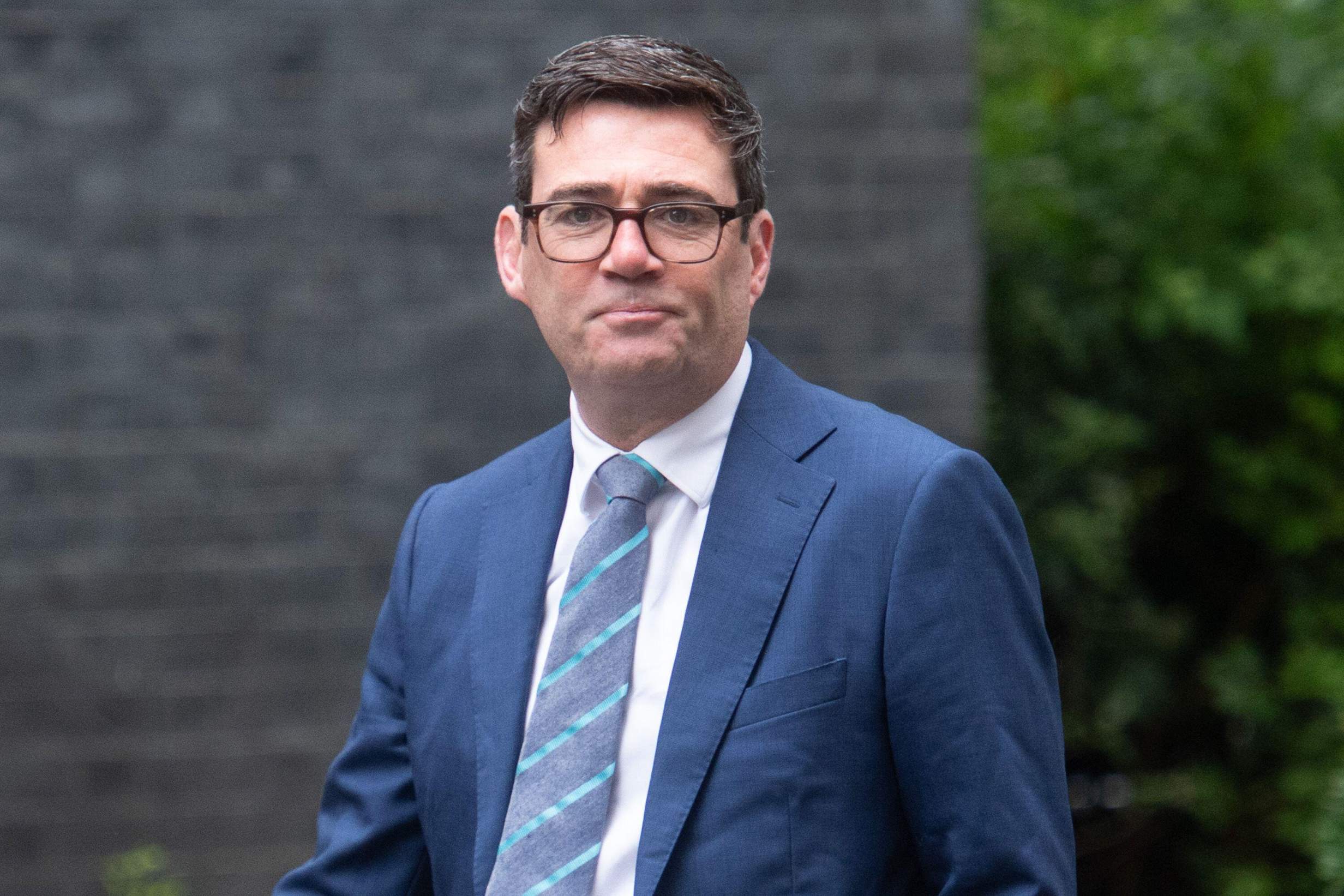
LONDON: British Prime Minister Andy Burnham is facing a major test as Parliament prepares to resume, with his government under pressure to explain how it will finance an ambitious domestic policy agenda while maintaining the country’s fiscal rules.
Burnham, who took office in July, has spent his first weeks focusing largely on domestic measures aimed at easing pressures on households and reshaping public services. However, the government is now expected to provide greater detail on its long-term programme, including proposed reforms to social care and efforts to end rough sleeping.
A key challenge for Burnham and Finance Minister John Healey will be finding sufficient funding for these commitments. The government has pledged to maintain fiscal rules, including balancing day-to-day spending with tax revenues by the end of the decade. However, officials have indicated that there may be scope to use available flexibility, potentially through increased borrowing for investment or tax increases.
The government is also facing an immediate £4.7 billion ($6.4 billion) funding gap in its Defence Investment Plan. The shortfall comes as Britain seeks to strengthen its defence commitments to NATO and Ukraine at a time when U.S. support for European security is becoming less certain.
Beyond public finances, Burnham faces several politically sensitive decisions. His government must determine whether to approve oil and gas drilling projects backed by U.S. President Donald Trump, while also implementing measures to ease overcrowding in British prisons, including the possible early release of some offenders.
Immigration is another significant political challenge. Although the number of people arriving illegally is reportedly lower than last year, the government’s plans for accommodating migrants have generated protests in several areas. Burnham has advocated distributing accommodation more evenly across Britain, including in wealthier communities.
Despite these challenges, Burnham enters the next phase of his premiership with relatively strong public support. His popularity currently exceeds that of Reform UK leader Nigel Farage and Conservative Party leader Kemi Badenoch. However, analysts and political observers note that the government’s support could quickly weaken if voters become dissatisfied with its economic and social policies.
With an October 28 budget approaching, Burnham’s government will therefore face growing pressure to demonstrate that its ambitious 10-year vision can be delivered without undermining Britain’s public finances. The coming months are expected to test the prime minister’s ability to balance spending commitments, fiscal discipline and politically difficult policy decisions.