 11
11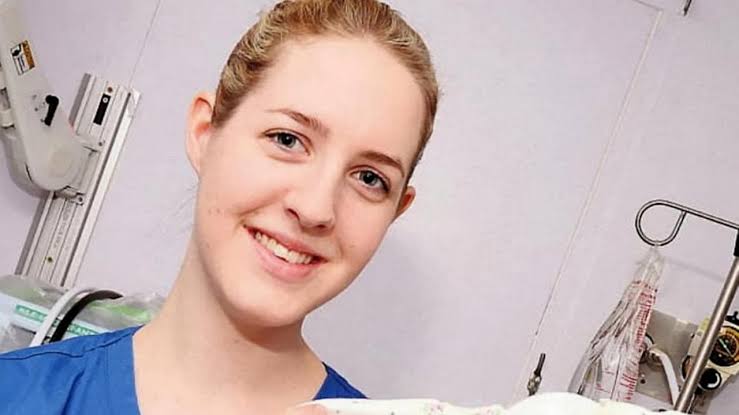
LONDON: A public inquiry into the case of British neonatal nurse Lucy Letby has found major failures in management, safeguarding and governance at the hospital where she worked, concluding that some of the babies she was convicted of murdering could have been saved if concerns had been acted upon sooner.
The three-year Thirlwall Inquiry, chaired by Lady Justice Kathryn Thirlwall, examined events at the Countess of Chester Hospital between 2015 and 2018, including the hospital’s response to the deaths and serious collapses of newborn babies and whether earlier intervention could have prevented further harm.
The inquiry found what Thirlwall described as a “complete failure” to protect babies, citing dysfunctional management, weaknesses in governance and a lack of understanding of fundamental safeguarding procedures. Senior hospital staff were criticized for failing to respond adequately as concerns surrounding Letby’s conduct emerged.
Letby was convicted in 2023 of murdering seven newborn babies and attempting to murder additional infants while working at the hospital. Prosecutors said she harmed babies through methods including injecting air or insulin and administering excessive amounts of milk. She has consistently maintained her innocence.
According to the inquiry, at least two of the deaths could have been prevented had hospital authorities acted sooner. The report identified failures in the way concerns about staff members were handled and highlighted shortcomings in the hospital’s safeguarding arrangements.
The inquiry has recommended a series of measures aimed at strengthening neonatal safety, including improved safeguarding procedures for situations in which staff are suspected of deliberately harming patients, tighter controls over insulin and greater use of cameras in areas where vulnerable infants receive care. It also called attention to the need for adequate funding and resources for neonatal services.
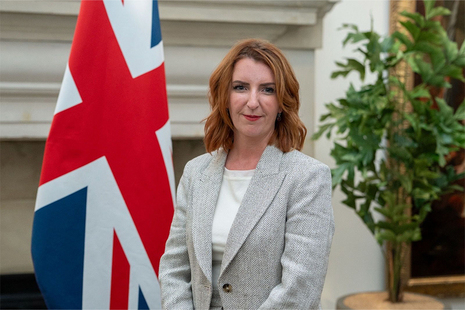
The Countess of Chester Hospital NHS Foundation Trust has apologized for the failures identified by the inquiry and said the organization now has different leadership. UK Health Secretary Yvette Cooper also expressed regret on behalf of the government and the health service for the suffering experienced by the affected families.
The report does not determine whether Letby was correctly convicted. Its focus was on the conduct of hospital staff, management, governance and safeguarding rather than reopening the criminal proceedings. Letby’s legal team has challenged the basis of the inquiry, while the Criminal Cases Review Commission is considering an application relating to her convictions.
The publication of the report comes amid continuing public debate over the evidence presented at Letby’s trials. Some medical experts and campaigners have questioned aspects of the prosecution case, while the inquiry itself emphasized that the families affected by the deaths should not become secondary to the wider dispute over the convictions.
Three senior hospital managers also remain under investigation in connection with suspected gross negligence manslaughter, according to the Reuters report. The investigation adds another dimension to scrutiny of how concerns about the neonatal unit were handled before Letby’s crimes were identified.
The Thirlwall Inquiry has therefore shifted significant attention toward the institutional failures surrounding the case, placing renewed emphasis on safeguarding, accountability and the protection of vulnerable patients within Britain’s health system. Its recommendations are expected to shape reforms in neonatal care and NHS procedures for responding to suspected harm by healthcare workers.