 111
 2
 3
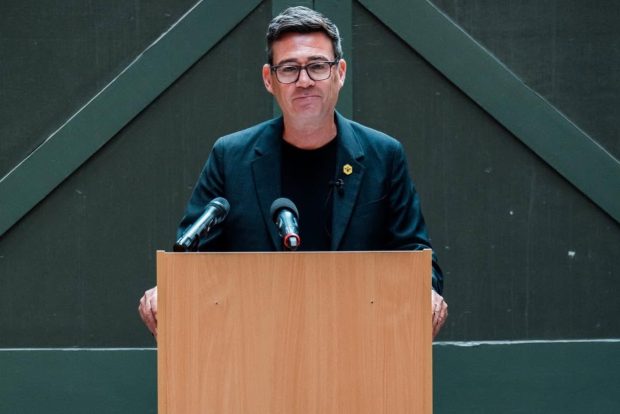
NEW YORK: British Prime Minister Andy Burnham is expected to press for the United Kingdom to become a “trusted partner” in the European Union’s proposed “Made in Europe” initiative, arguing that Britain and the EU share common economic interests and should avoid measures that could disrupt integrated supply chains.
Speaking to reporters while travelling to New York for the United Nations General Assembly, Burnham said Britain should not be treated as an adversary under the initiative, which is designed to reduce dependence on Chinese components by prioritizing European-made goods. He is expected to raise the issue with European Commission President Ursula von der Leyen.
The British government is particularly concerned about the potential impact of the policy on the country’s automotive industry, which remains closely integrated with European manufacturing and supply networks. The Society of Motor Manufacturers and Traders said UK-EU automotive trade is worth around €80 billion annually and warned that excluding British manufacturers could affect companies on both sides of the Channel.
Burnham said the policy should not create unnecessary trade barriers or cause what he described as “collateral damage” to industries that depend on cross-border supply chains. He has argued that Britain and EU member states face shared challenges, particularly in sectors such as steel and automotive manufacturing.
France, however, has stressed that cooperation with Britain cannot provide the same rights as EU membership. French junior industry minister Sebastien Martin said enhanced economic cooperation could be considered while emphasizing that discussions on the initiative would take place on the basis of the 27-member European Union.
The dispute comes amid broader efforts by Burnham’s government to strengthen relations with the EU following Britain’s departure from the bloc in 2020. Talks over Britain’s participation in the EU’s SAFE defence fund have also encountered difficulties, adding to concerns in London about being excluded from European initiatives.
Burnham has said he wants to deepen UK-EU relations and hopes a delayed UK-EU summit can take place later this year. His government is seeking practical agreements aimed at strengthening economic ties while maintaining Britain’s status outside the European Union.
The “Made in Europe” debate highlights the continuing economic interdependence between Britain and the EU, particularly in industries where production networks cross national borders. For London, securing access or a partnership arrangement could help protect British companies linked to European supply chains, while EU officials continue to emphasize the distinction between cooperation with non-member countries and the rights enjoyed by EU members.