 11
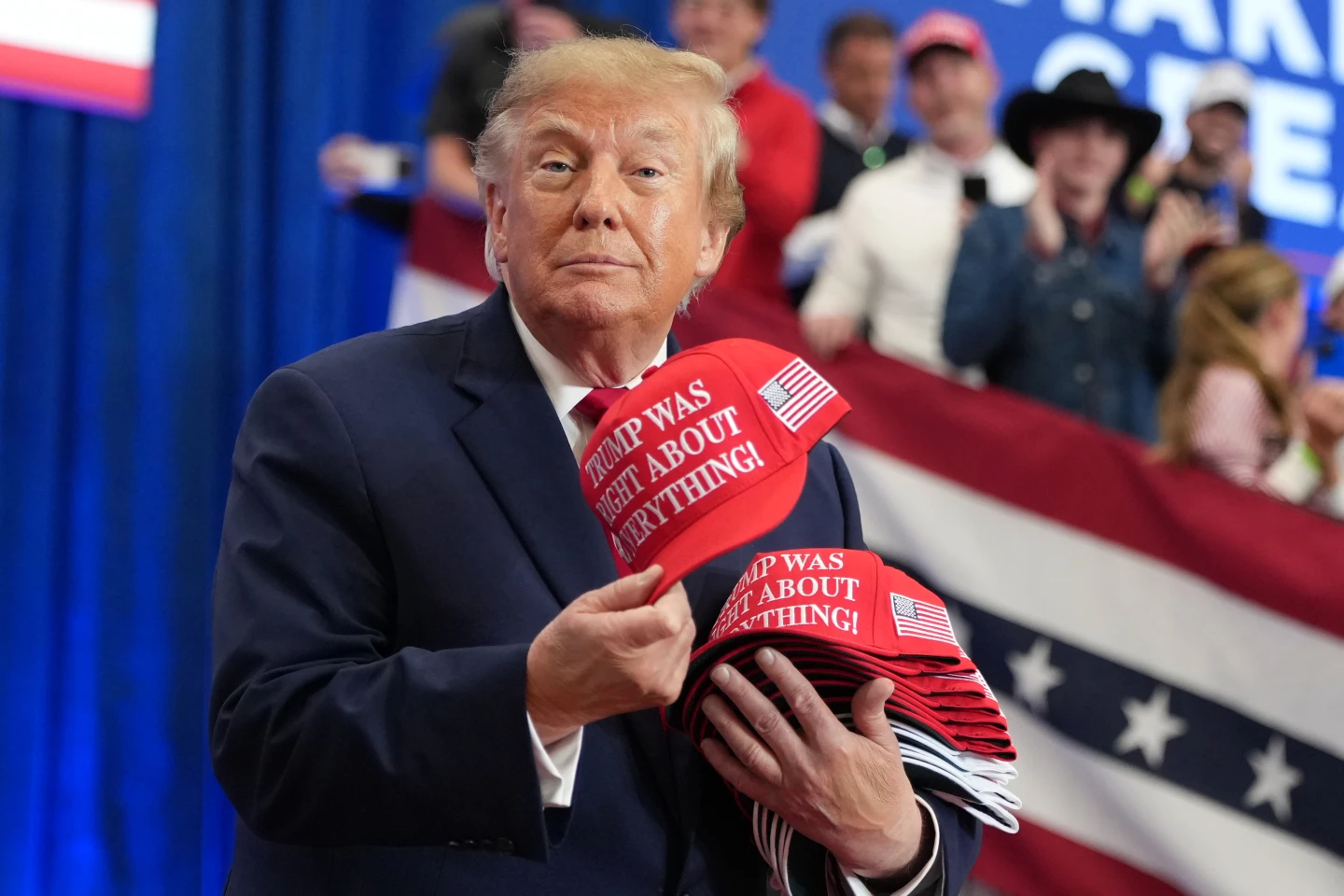
Washington – President Donald Trump is closing out the midterm election campaign with a nationwide series of rallies, making himself the central figure of the Republican effort to retain control of Congress despite approval ratings that analysts say could weigh heavily on his party.
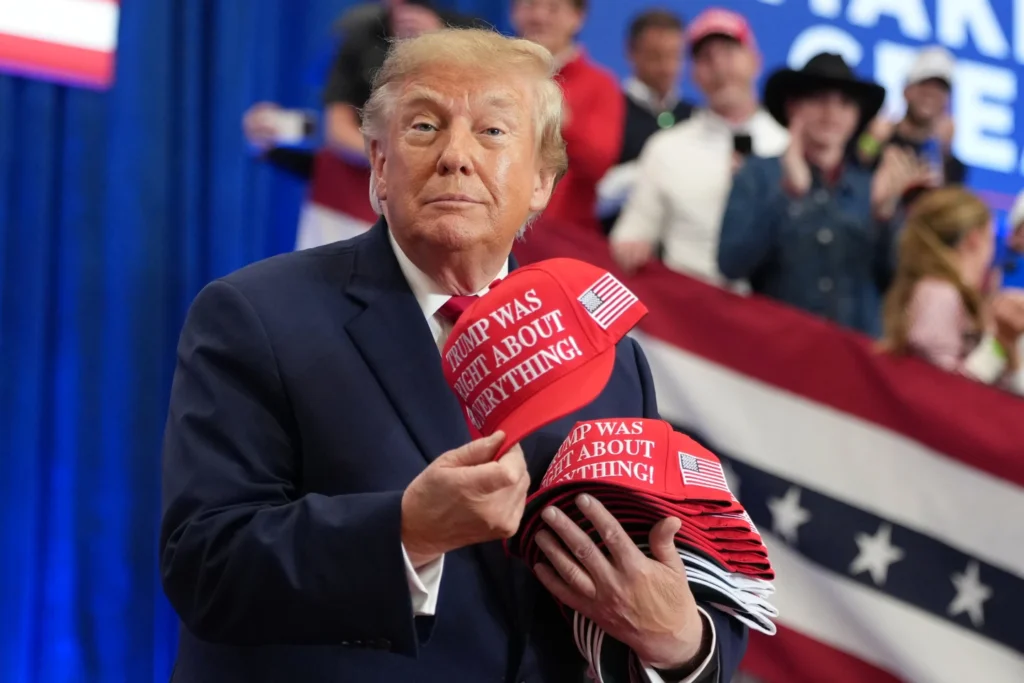
At rallies across the country, Trump has urged supporters to imagine that he is personally a candidate. “Just close your eyes,” he tells crowds, “and pretend I’m on the ballot.”
The election comes in a year shaped by the war with Iran, concerns over artificial intelligence, disputes over redistricting, high energy prices and growing worries about the cost of living. Against this backdrop, the president’s highly personal campaign strategy is widely viewed as one of the defining gambles of the election cycle. Trump remains the dominant figure within the Republican Party as he approaches the second half of his second term, but his low approval ratings have raised concerns that they could undermine Republican candidates.
Democrats have openly welcomed the president’s prominence on the campaign trail. “I don’t think there’s anybody that wants Donald Trump out there at these rallies more than Democratic candidates,” said Jessica Mackler, president of EMILY’s List, an organisation that supports Democratic women candidates who back abortion rights. She added that her organisation regards each new Trump event “as a win.”
The White House rejected that assessment. Spokesperson Davis Ingle described Trump as “the unequivocal leader, best messenger, and unmatched motivator for the Republican Party.” In a statement, he said voters faced a clear choice between “doubling down on President Trump’s winning, commonsense agenda, or the Democrats’ extreme liberal policies and obstruction.”
Trump’s personal involvement extends well beyond his rally schedule. He oversaw even minor details of the first-ever Republican midterm convention, held last month in Dallas, and addressed the gathering on both nights. Campaign merchandise at the event, ranging from baseball caps to beverage holders, portrayed him as a cowboy on horseback in a white Stetson, in the style of the Marlboro Man.
The president has also given a personal framing to a key Republican campaign pledge of large payments to voters if the party holds Congress, telling audiences, “I’ll give you $5,000,” although such a proposal would likely require congressional approval.
Political groups associated with Trump have spent at least approximately $277 million since September 1 in support of Republican candidates. Despite this, MAGA Inc., the president’s main super PAC, which began last month with $416 million in reserves, has not exhausted its funds. Trump has also used taxpayer funding to air television advertisements highlighting his own record, including one closely resembling a spot from his 2024 campaign, the last election in which he was a candidate.
Critics say the approach is consistent with the broader conduct of Trump’s second term, which has seen an expansion of executive power, concerns over his family’s business interests linked to the presidency, and extensive changes to the White House. “I can do stuff that is unbelievable,” Trump told supporters at a rally in Kentucky.
Since returning to office, the president has added extensive gold décor to the Oval Office, demolished the East Wing to make way for a large ballroom, and redesigned the Rose Garden into a patio area resembling his Mar-a-Lago estate. A new helipad was also built, which he showed to Chinese President Xi Jinping during a recent visit.
Trump has also sought to reshape Washington more broadly, deploying National Guard troops to the city’s streets, closing the Kennedy Center following unsuccessful efforts to add his name to the building, planning a large arch on the outskirts of the capital, and pushing to redevelop a century-old public golf course.