 11
11
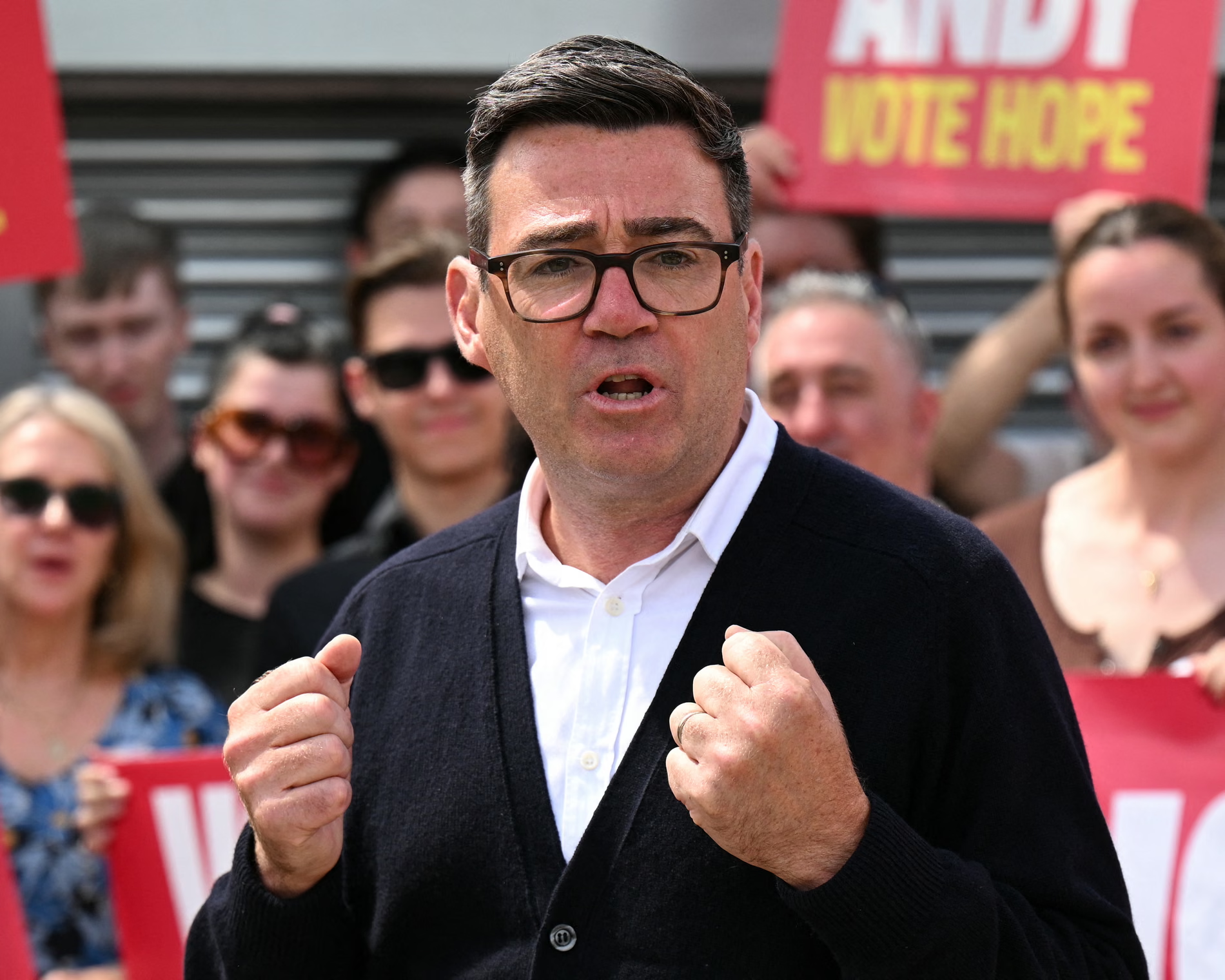
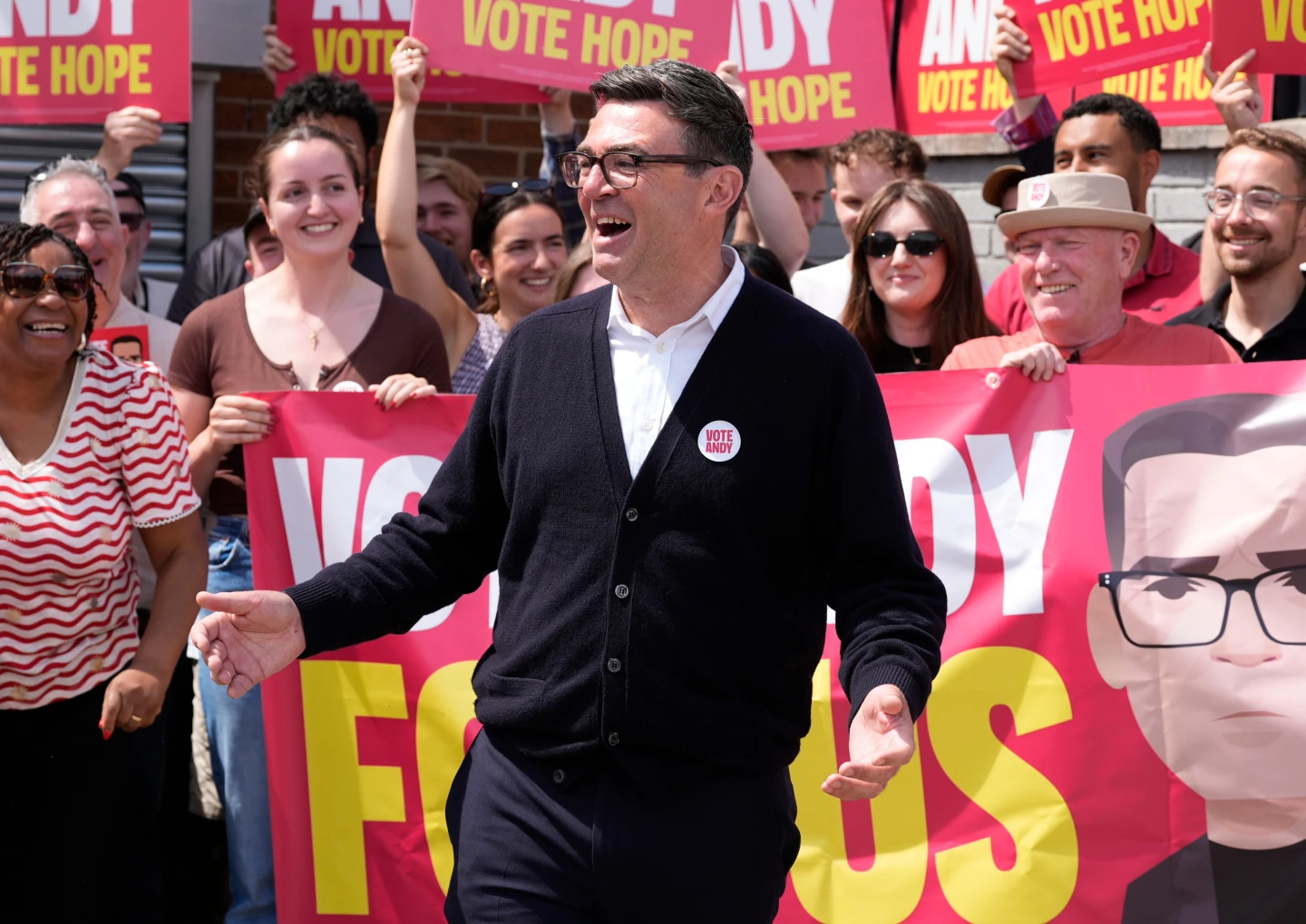
LONDON: As Britain’s political landscape enters a new phase under the expected leadership of Andy Burnham, the central question confronting the Labour Party is no longer whether it can restore economic stability, but whether it can deliver the structural transformation that many voters expected after years of economic stagnation.
My analysis contends that Starmer’s government achieved one important objective: restoring fiscal credibility and calming financial markets after years of political and economic uncertainty. However, economic stability, while necessary, did not translate into the stronger productivity, higher investment and rising living standards many Britons anticipated. Persistent regional inequality, weak infrastructure and sluggish economic growth continue to weigh heavily on the UK’s long-term prospects.
A central argument is that Burnham cannot rely solely on cautious fiscal management. Instead, he is expected to embrace a broader economic agenda centred on investment-led growth, greater fiscal devolution and stronger regional decision-making. His long-standing advocacy for empowering local governments reflects the belief that economic challenges vary significantly across regions and require locally tailored solutions rather than highly centralised policymaking.
Taxation is an area requiring substantial reform. Britain’s current tax structure is described as increasingly inefficient and inequitable, with growing calls for reforms that broaden the tax base while encouraging investment and productivity. At the same time, any major tax overhaul would face significant political resistance, particularly amid concerns over public finances and rising government debt.
Another major theme is Britain’s relationship with the European Union. While full EU membership is not under discussion, the opinion argues that closer economic cooperation with European partners could improve trade, attract investment and help ease labour shortages. Immigration policy is also presented as an economic issue rather than solely a political one, with universities, research institutions and high-skilled industries continuing to depend on international talent to remain globally competitive.
Nevertheless, Burnham’s room for manoeuvre may be constrained by Britain’s fiscal realities. Independent economic assessments warn that slow productivity growth, an ageing population and increasing healthcare costs will continue to place significant pressure on public finances. International organisations, including the OECD, have urged the next government to maintain fiscal discipline while pursuing targeted investments capable of boosting long-term economic performance.
Ultimately, the debate reflects a broader challenge facing modern centre-left governments: balancing fiscal responsibility with ambitious economic reform. If Burnham succeeds in combining investment, regional empowerment, tax reform and closer international economic engagement without undermining financial credibility, Labour could redefine its economic identity. Failure to achieve that balance, however, may leave Britain facing many of the same structural weaknesses that have constrained growth for more than a decade.