 11
11
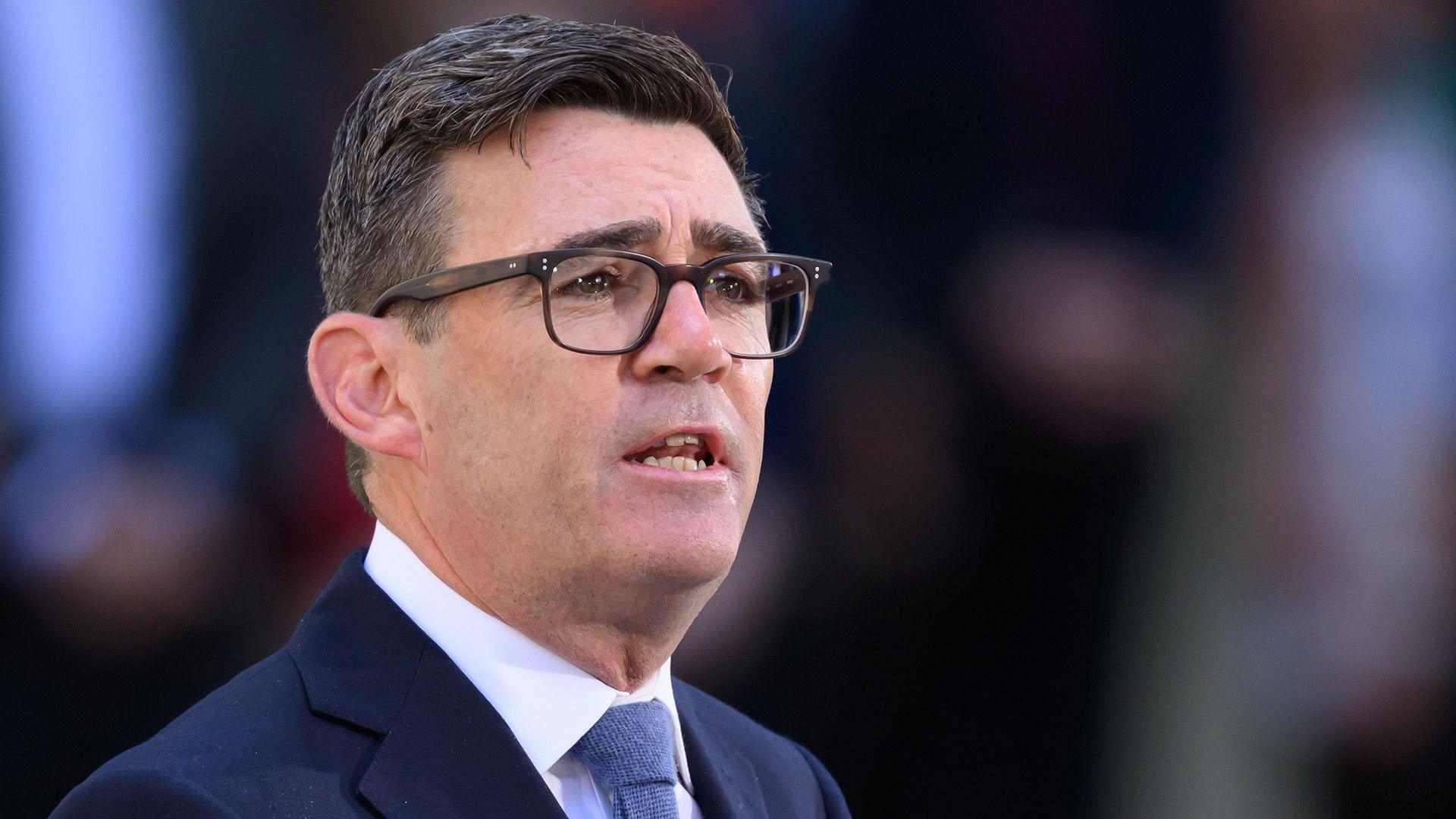
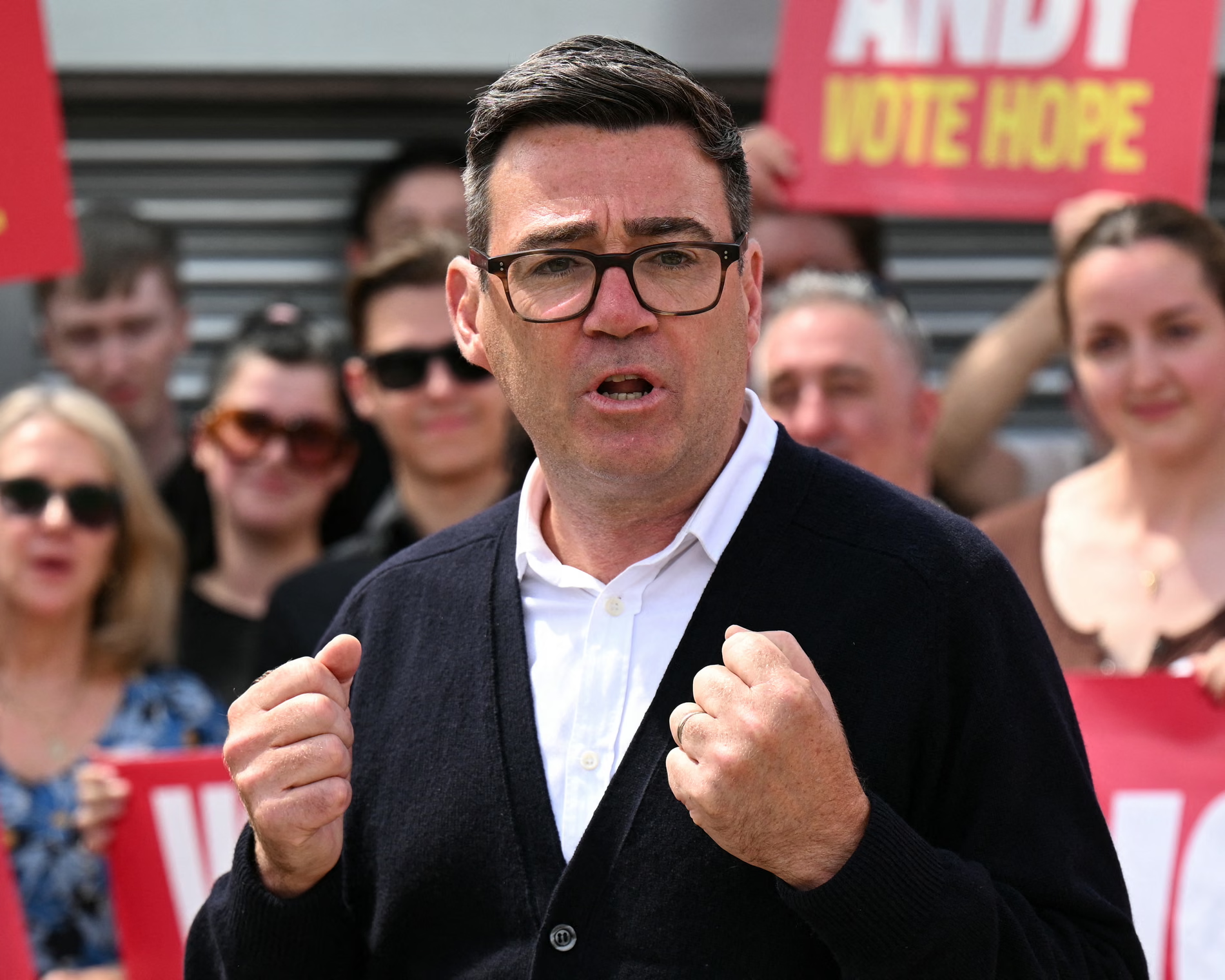
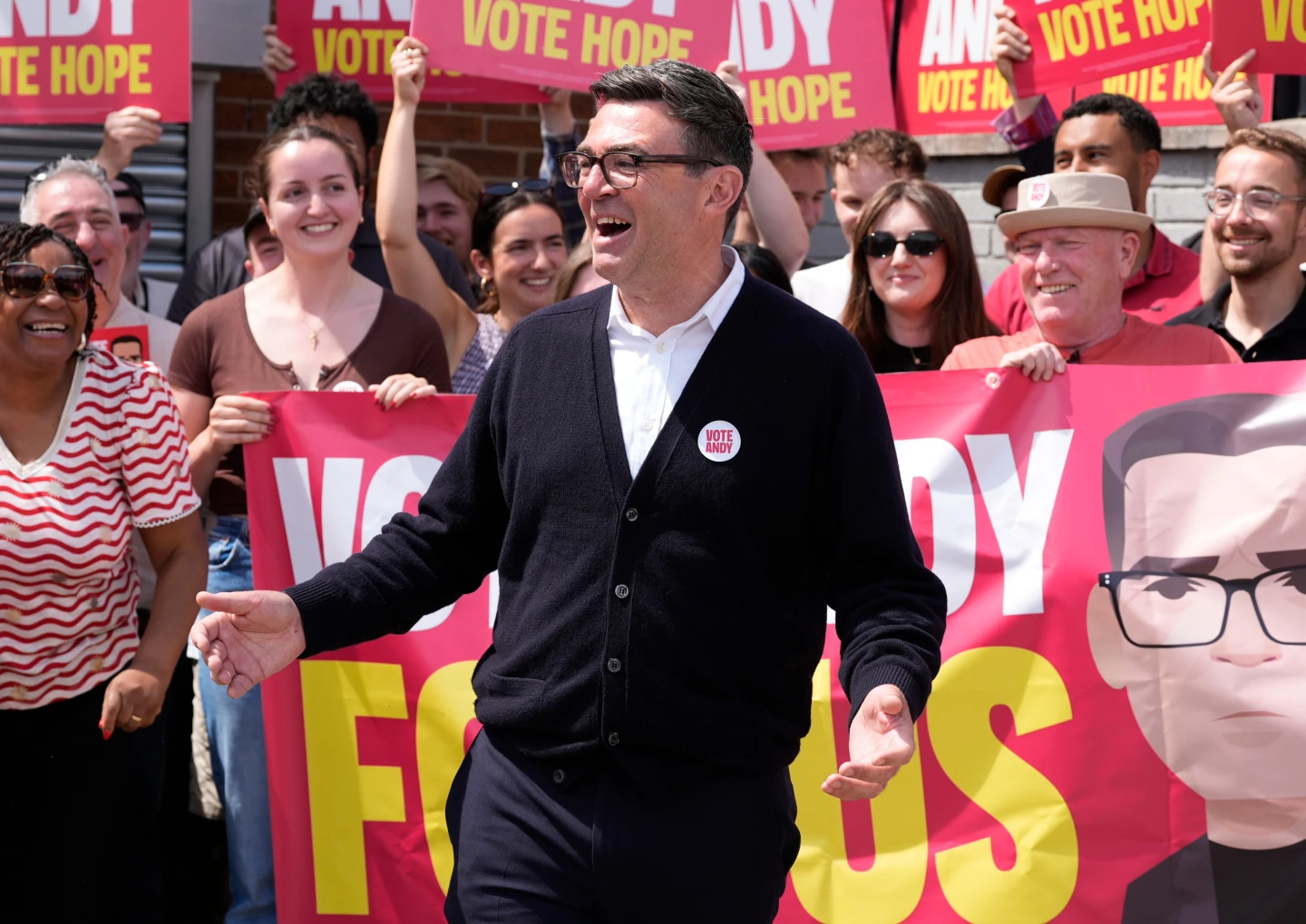
LONDON: Andy Burnham officially became the United Kingdom’s Prime Minister on Monday after meeting King Charles III at Buckingham Palace, succeeding Keir Starmer and pledging to “rewire Britain” through sweeping political and economic reforms aimed at restoring public confidence in government.
Burnham, widely known as the “King of the North” for his tenure as Mayor of Greater Manchester, becomes Britain’s seventh prime minister in a decade. In his first address outside 10 Downing Street, he acknowledged years of political instability and promised to reshape the country’s governance to better address the cost-of-living crisis, economic stagnation, and declining public services.
The new prime minister described his leadership as an opportunity to deliver the most significant political transformation in four decades, emphasizing greater devolution of power, faster decision-making, and policies designed to improve living standards while reducing regional inequalities.
One of Burnham’s immediate priorities will be the formation of his Cabinet, with particular attention focused on the appointment of a new Chancellor of the Exchequer. The choice is expected to be closely watched by financial markets amid concerns over Britain’s sluggish economic growth and fiscal challenges.
Among his first policy decisions, Burnham announced the cancellation of the government’s proposed digital identity card scheme. His administration is also expected to review taxation, energy policy, and the regulation of key public utilities, including the financially troubled Thames Water, signaling a willingness to expand government oversight in strategically important sectors.
Burnham assumes office at a time when Britain faces multiple domestic and international challenges, including weak economic growth, strained public services, housing shortages, and rising political polarization. Analysts say the success of his government will largely depend on whether it can translate ambitious reform pledges into tangible improvements for households while maintaining investor confidence and fiscal stability.