 11
11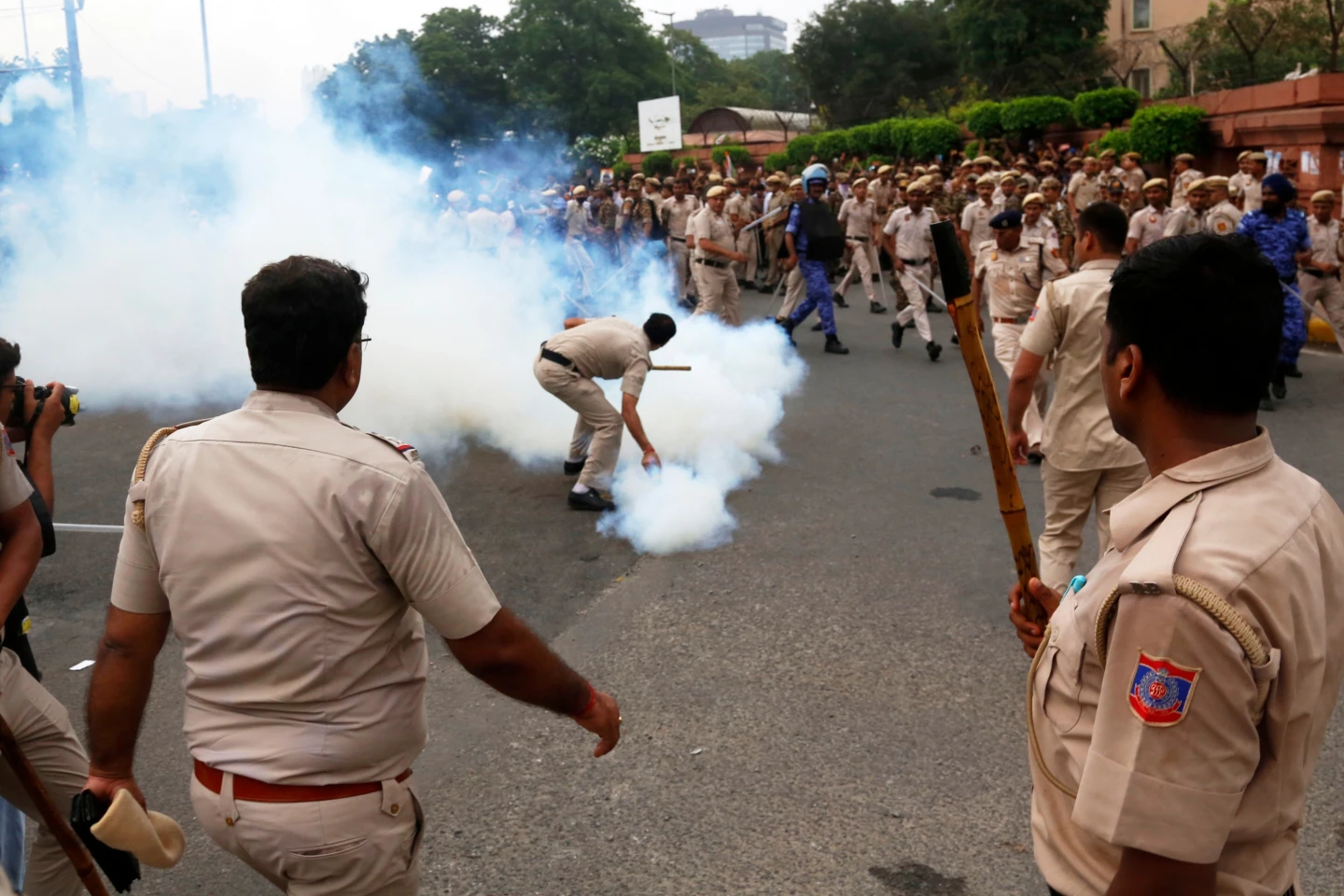
NEW DELHI: A youth-driven protest movement known as the “Cockroach Janta Party” (CJP) is rapidly gaining prominence across India, with thousands of students and young activists rallying behind education reformer Sonam Wangchuk, whose prolonged hunger strike has become the movement’s defining symbol.
The movement emerged earlier this year after widespread public outrage over alleged leaks in major competitive examination papers and growing frustration over youth unemployment and governance. Protesters have demanded the resignation of Union Education Minister Dharmendra Pradhan, comprehensive reforms to the examination system, and greater accountability from the government.
The name “Cockroach Janta Party” was adopted by young activists after a controversial remark likening unemployed youth to “cockroaches,” a label the movement has since reclaimed as a symbol of resilience and defiance. What began as an online campaign has evolved into a nationwide protest movement, drawing support from students, professionals and civil society groups.
Environmentalist and education advocate Sonam Wangchuk has played a central role in the protests through a weeks-long hunger strike, calling for transparency, institutional accountability and meaningful education reforms. His deteriorating health and subsequent hospitalization have intensified public attention and galvanized further demonstrations across the country.
Large-scale protests have taken place in New Delhi and several other cities, with demonstrators attempting to march toward Parliament despite security restrictions. Police used barricades, batons and tear gas to disperse crowds in some areas, leading to clashes and heightened political tensions.
Despite mounting public pressure and growing participation by young Indians, the government has yet to concede to the protesters’ principal demands. Organizers have vowed to continue peaceful demonstrations, insisting that the movement represents a broader call for reforms in education, employment opportunities and public accountability.