 11
11
TEHRAN: Iran said Saturday that an agreement with Oman on arrangements for the Strait of Hormuz was close, but stressed that the deal alone would not be sufficient to reopen the strategically vital waterway for unrestricted shipping.
Iranian Foreign Minister Abbas Araqchi said Tehran and Muscat were “very close” to an agreement on a new shipping route through the strait. However, he said reopening the waterway would depend on additional conditions, including compensation from the United States.
Iran’s top national security official, Mohammad Baqer Zolqadr, listed further demands, including an end to US threats and military action against Iran and its regional allies, the lifting of sanctions and the blockade on Iran, and the release of Iranian assets.
Oman described negotiations with Iran over arrangements for maritime traffic through the Strait of Hormuz as “positive and constructive” and called for actions that could undermine the talks to be avoided. Muscat also condemned attacks on vessels transiting the strait without assigning responsibility.
Araqchi said Iran no longer accepted the existing shipping traffic separation scheme and was discussing a temporary route with Oman while technical and legal issues concerning a permanent arrangement were addressed.
The developments come as the United States has indicated that an agreement could enable the resumption of normal oil traffic through the waterway. A US official told Reuters that Washington would lift its blockade of Iranian ports once an agreement was announced to restore commercial shipping without impediments, subject to Iran implementing its commitments.
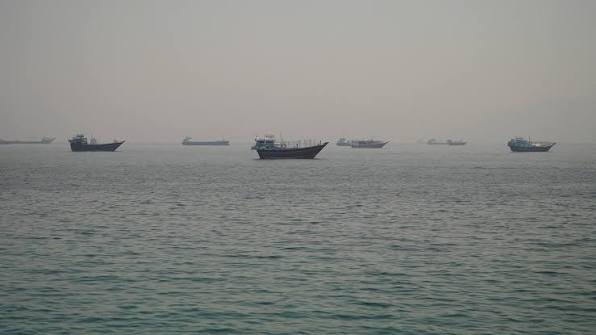
The situation remains complicated by continued attacks on commercial shipping. The United Arab Emirates said Iran had attacked a vessel affiliated with its state oil company with a missile while it was transiting the Strait of Hormuz. No injuries were reported in the latest attacks, while the UK Maritime Trade Operations monitor said a vessel caught fire after being hit by an unidentified projectile, although the fire was extinguished and no environmental damage was reported.
Iran’s Revolutionary Guards said reopening the strait depended on Washington accepting Tehran’s conditions and was separate from the Iran-Oman negotiations. President Masoud Pezeshkian, meanwhile, expressed optimism that the current moment offered an opportunity to reach an agreement.
The Strait of Hormuz is a critical global energy route. Reuters reported that it carried about one-fifth of the world’s oil and gas shipments before the current conflict, and disruptions have contributed to higher energy prices and increased inflationary pressures.
The negotiations therefore remain central to efforts to restore maritime traffic through the strait, although significant differences between Tehran and Washington continue to stand in the way of a comprehensive reopening agreement.