 111
111 2
2 3
3
WASHINGTON: A 60-day deadline set under a U.S.-Iran interim agreement to end the conflict and address Tehran’s nuclear program has expired without a lasting peace accord, leaving the two sides deeply divided over the Strait of Hormuz, sanctions and broader security issues.
The agreement, signed by U.S. President Donald Trump in June, had called for an end to military operations and negotiations toward a permanent settlement of the conflict and the longstanding dispute over Iran’s nuclear activities. However, the deadline passed with no indication that Washington and Tehran had reached a compromise.
A major obstacle remains the reopening of the Strait of Hormuz, a vital international shipping route through which roughly one-fifth of the world’s traded oil and gas passed before the conflict. The interim agreement envisioned reopening the waterway, but disagreements over its management have prevented progress.
Iran has demanded the lifting of the U.S. blockade, the withdrawal of American forces from the region and compensation for damage caused during the war. Tehran has also maintained that it should have a role in controlling maritime traffic through the strait, potentially including the collection of fees.
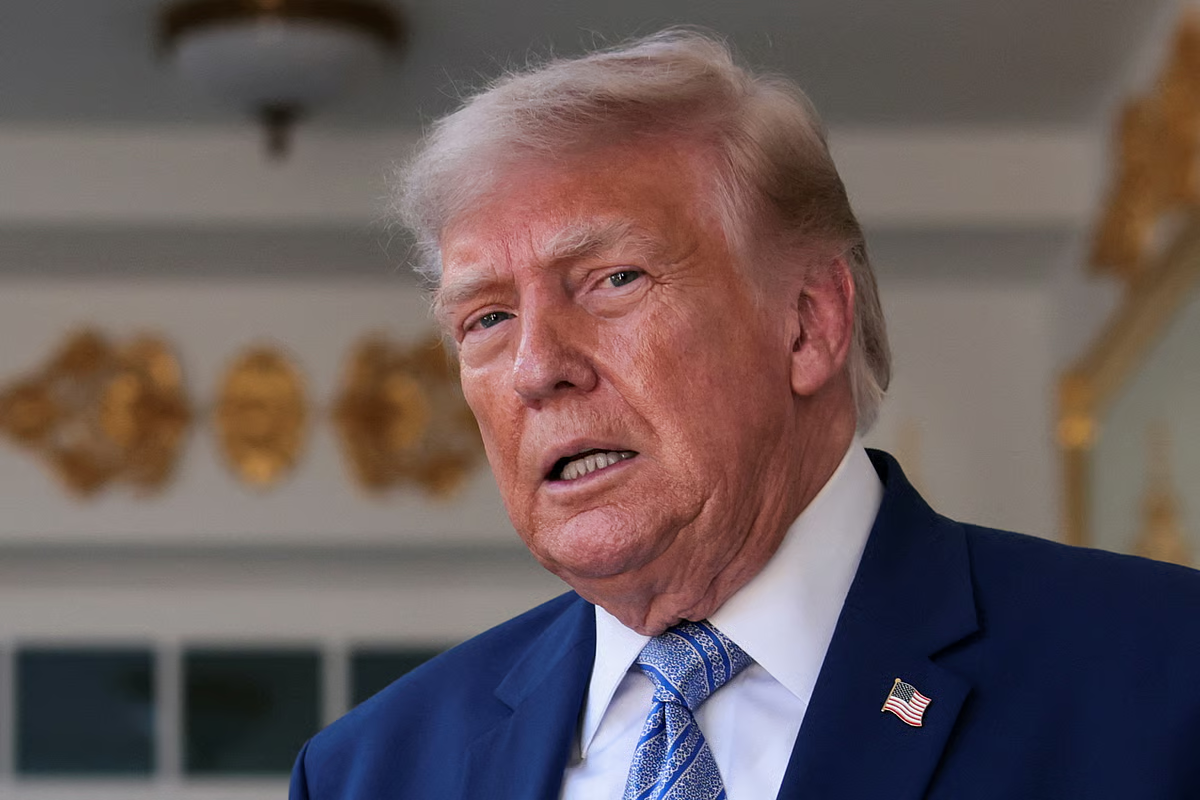
President Trump has rejected Iran’s demands and has continued to rely on economic pressure, including sanctions and a blockade of Iranian ports, in an effort to force Tehran to change its position. The United States has also maintained that the Strait of Hormuz should remain open to international navigation without restrictions.
The June agreement began to unravel only weeks after it was signed, with Washington and Tehran accusing each other of violating its provisions. Military confrontations subsequently resumed, while the broader diplomatic process effectively stalled. Iranian officials have said direct negotiations stopped in June, although messages have continued to pass through intermediaries.
Pakistan has continued to encourage both sides to return to negotiations. Islamabad, which played a role in facilitating the June agreement, has expressed hope that the diplomatic process can be revived rather than allowing the expiration of the deadline to close the door on further dialogue.
The prolonged closure or restricted operation of the Strait of Hormuz has also raised concerns about global energy markets. Maritime traffic through the waterway has fallen sharply from pre-war levels, increasing pressure on fuel prices and raising the prospect of wider economic repercussions if the standoff continues.
Diplomatic efforts involving regional and international actors, including Pakistan, Oman, Türkiye and Qatar, continue amid the impasse. European countries have also sought to encourage renewed dialogue, underscoring growing international concern over the conflict’s impact on maritime security, energy supplies and regional stability.
With the 60-day deadline now expired and neither side showing readiness to make major concessions, prospects for an immediate comprehensive settlement remain uncertain. The future of the Strait of Hormuz and the unresolved nuclear dispute are expected to remain central to any renewed U.S.-Iran negotiations.