 11
11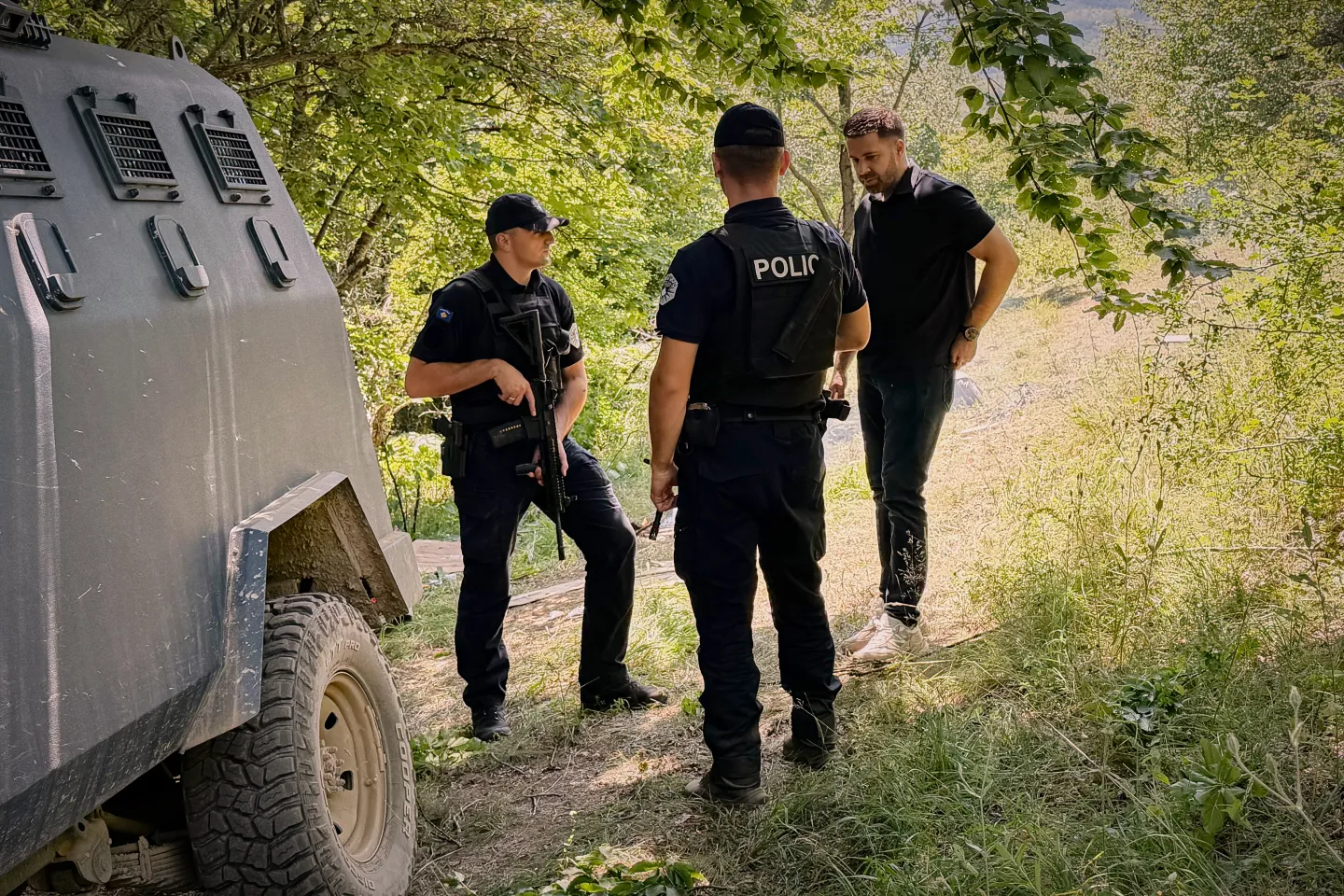
PRISTINA: Authorities in Kosovo have begun excavating newly discovered mass graves believed to contain the remains of people who disappeared during the 1998-99 Kosovo war, raising hopes among families that they may finally learn the fate of their missing relatives nearly three decades after the conflict.
The excavations are taking place near the village of Kalluder e Vogel in the northern municipality of Zubin Potok, following the discovery of human remains at the site. Kosovo authorities believe the graves could contain the remains of 23 intellectuals who disappeared in April 1999 while reportedly attempting to flee advancing Serbian forces.
Among those missing is Adem Ademi, a prominent surgeon whose son, Erblin Ademi, was nine years old when he last saw his father. The family has spent decades awaiting answers and now cautiously hopes that the excavation could finally establish what happened to him and the others who disappeared with him.
The Kosovo war claimed approximately 13,000 lives and displaced large numbers of people. Around 1,600 individuals remain missing, according to figures cited by the Associated Press and the Humanitarian Law Center. The missing include approximately 1,200 ethnic Albanians, about 400 ethnic Serbs and dozens of Roma.
The latest excavation is part of continuing efforts to locate and identify victims whose remains are believed to have been concealed in unmarked graves. Forensic experts will examine the remains and conduct DNA testing to establish the identities of the victims, a process that could take considerable time.
The discoveries have also renewed scrutiny of cooperation between Kosovo and Serbia. Although the two sides agreed in 2023 to work toward clarifying the fate of missing persons, officials and rights groups say progress has remained limited, with both governments accusing each other of obstructing efforts to resolve outstanding cases.
Kosovo police have also arrested several people on suspicion of war crimes connected with the mass graves. Meanwhile, the European Union continues to press Kosovo and Serbia to normalize their relations, a key condition for advancing their respective paths toward EU membership.
For families of the missing, however, the excavations represent more than a forensic investigation. They offer the possibility of finally recovering the remains of loved ones, providing them with a grave and allowing relatives to properly commemorate those lost during one of the Balkans’ most devastating conflicts.