 11
11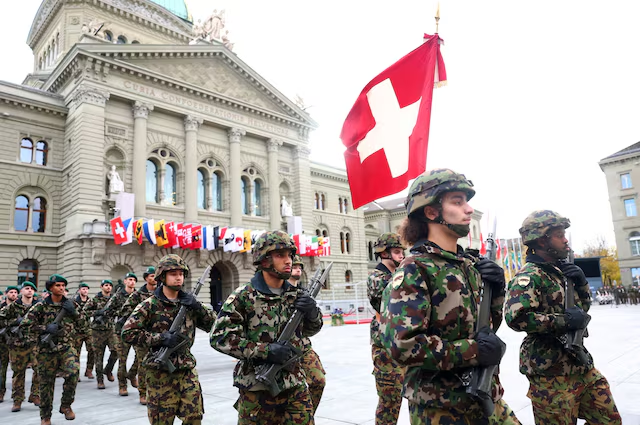
ZURICH: The Swiss government has rejected a proposal to impose a stricter constitutional definition of the country’s traditional neutrality, arguing that the initiative could restrict Switzerland’s ability to respond flexibly to international crises and cooperate with foreign partners.
The proposal, backed by campaigners and the right-wing Swiss People’s Party, seeks to establish that Swiss neutrality must be permanent, armed and independent of military alliances. It would also restrict Switzerland from participating in foreign conflicts or imposing sanctions unless such measures were mandated by the United Nations.
Foreign Minister Ignazio Cassis has led the government’s campaign against the initiative, maintaining that Switzerland’s neutrality is already constitutionally protected and internationally recognized. He warned that adopting a more rigid definition could limit the country’s ability to cooperate with other states when confronted with major international crises.
The debate has intensified since Russia’s invasion of Ukraine, when Switzerland adopted European Union sanctions against Moscow despite its long-standing policy of neutrality. Switzerland has also expanded security cooperation with NATO, developments that have prompted criticism from supporters of a more traditional interpretation of neutrality.
Under the proposed constitutional amendment, Switzerland would face tighter restrictions on joining or cooperating with military alliances and on adopting sanctions against foreign states. Supporters argue that such provisions are necessary to preserve the country’s independent and non-aligned status.
The initiative will be put to voters in a nationwide referendum on September 27 under Switzerland’s system of direct democracy. More than 100,000 signatures were collected to force the national vote.
Opinion polling has so far indicated limited public support for the proposal. A Tamedia poll conducted in June found that 34% of respondents supported the initiative, while 54% were opposed, although the campaign could influence public opinion before the referendum.
The referendum is expected to have implications beyond Switzerland’s domestic foreign-policy debate. A rejection would allow the government to retain greater flexibility in responding to international crises, while approval could significantly constrain Bern’s ability to coordinate with European partners and participate in international sanctions regimes.
The vote therefore represents a significant test of how Switzerland seeks to balance its historic policy of neutrality with the changing security environment in Europe and its growing engagement in international affairs.