 11

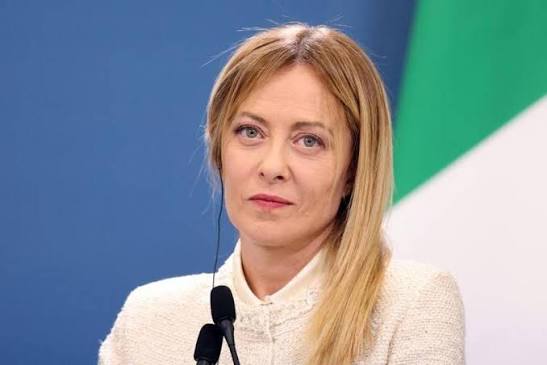
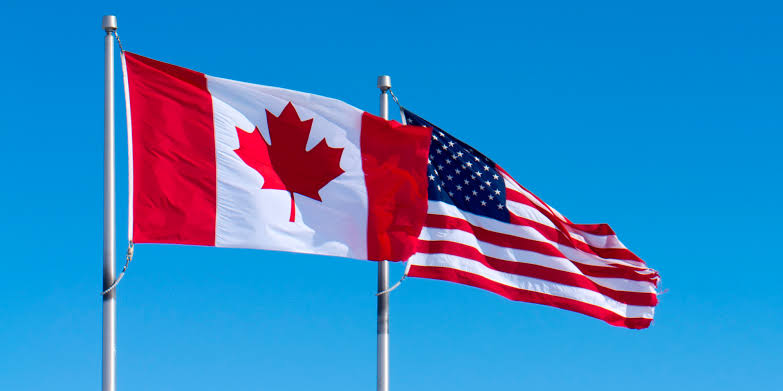
STRASBOURG — European Commission President Ursula von der Leyen has proposed making Canada the European Union’s first associate member, signaling a significant expansion of ties between Ottawa and Brussels amid growing trade tensions between Canada and the United States.
Von der Leyen made the proposal during her annual State of the European Union address to the European Parliament, with Canadian Prime Minister Mark Carney attending as a special guest. She said the EU wanted to open the door to a new form of partnership with Canada, extending cooperation beyond the bloc’s existing trade relationship.
The proposed associate membership would not amount to full EU membership. Instead, officials are exploring a new framework that could provide Canada with closer economic, security and institutional links with the 27-member bloc. The precise structure and legal basis of such an arrangement have yet to be determined.
Carney has welcomed closer relations with Europe as Canada seeks to diversify its economic and strategic partnerships. He has proposed what he describes as a “unique alliance” with the EU, including expanded cooperation in trade, defence, energy, technology and digital security.
Canada has already joined the EU’s €150 billion SAFE defence initiative, strengthening cooperation in defence procurement. Ottawa is also seeking greater collaboration with European countries as it works to reduce its reliance on the United States, which currently accounts for about 70% of Canadian exports.
The initiative comes against the backdrop of worsening trade relations between Washington and Ottawa. U.S. President Donald Trump has criticized closer Canada-EU integration and suggested that allowing Canada to become an associate EU member could constitute a “hostile act,” while warning that Washington could respond with additional tariffs on European goods.
The European proposal does not envisage Canada becoming a full EU member. Canadian officials have indicated that sovereignty and the nature of the relationship are important considerations, while the proposed associate status could allow closer integration without full accession to the bloc.
The details of the proposed arrangement are expected to be discussed further ahead of a Canada-EU summit scheduled for October. Areas under consideration include trade, defence, energy, critical minerals, research, technology and mobility.
The proposal marks a notable development in Canada-EU relations as both sides assess their economic and security partnerships amid changes in global trade and geopolitical conditions. Further negotiations will determine the scope and institutional framework of any associate membership arrangement.