 111
111 2
2 3
3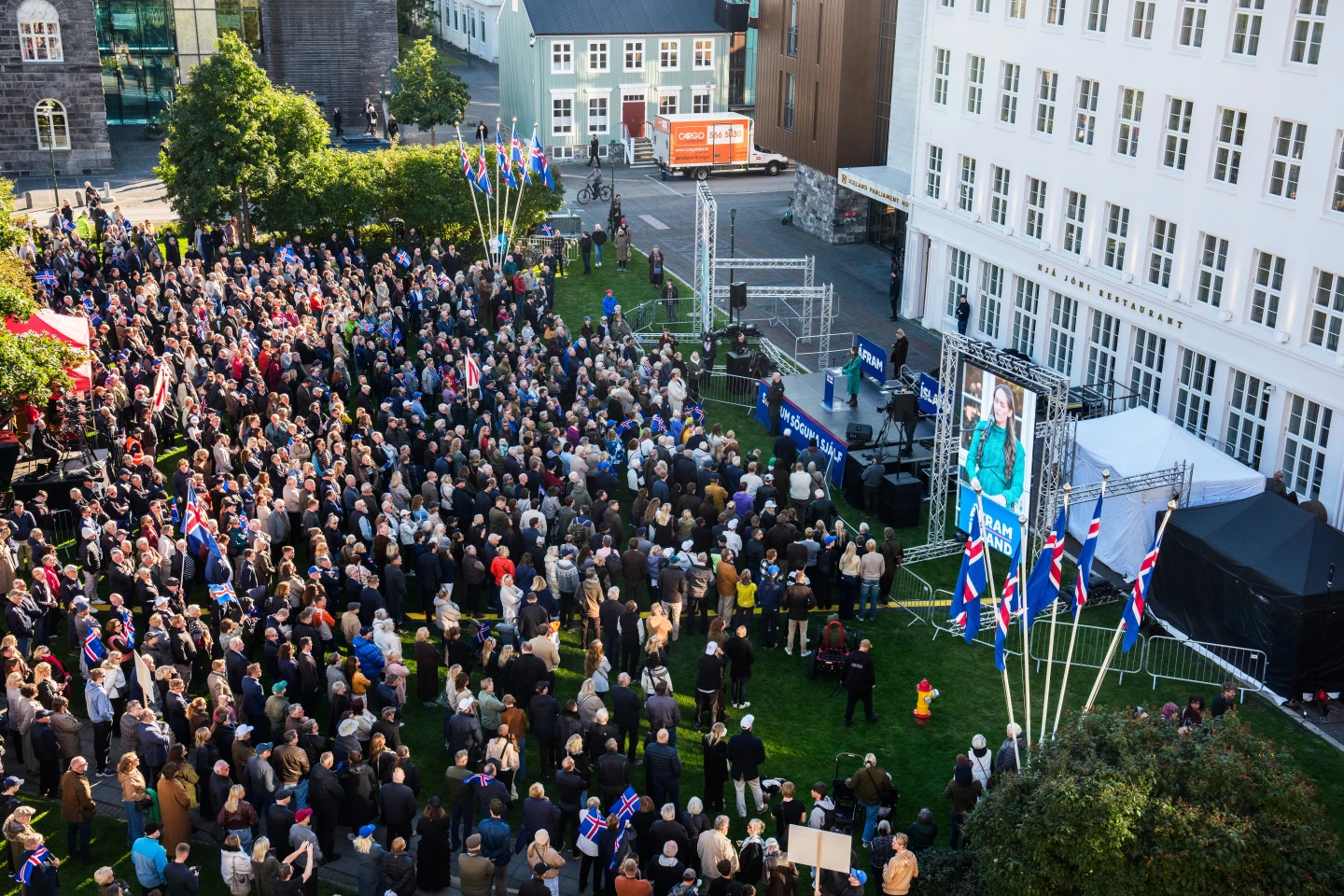
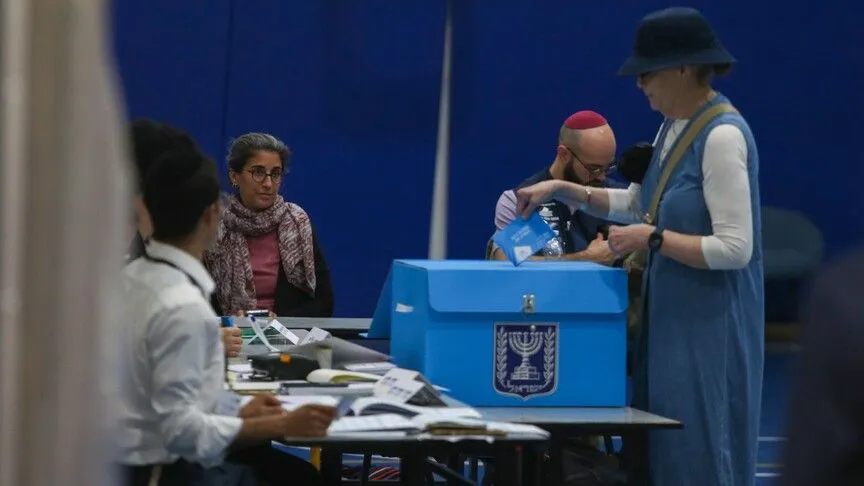
REYKJAVIK: Icelanders went to the polls on Saturday to decide whether the country should resume long-stalled negotiations to join the European Union, with the referendum taking place amid heightened geopolitical concerns linked to U.S. President Donald Trump’s repeated interest in Greenland.
The referendum asks voters whether Iceland should restart accession negotiations with the 27-member European bloc. A “yes” vote would open the way for negotiations with the European Commission covering 35 areas, including the economy, human rights, fisheries, transport and agriculture.
The vote comes as Iceland reassesses its security and international partnerships following Trump’s renewed focus on Greenland, which is located about 290 kilometers from Iceland. Supporters of closer integration with the EU argue that membership could strengthen Iceland’s political and security ties with European countries and provide greater protection amid growing geopolitical uncertainty.
However, opponents remain concerned about the potential impact of EU membership on Iceland’s sovereignty and its highly valuable fishing industry. Fishing is a major part of the country’s economy and national identity, and joining the EU would normally require Iceland to participate in the bloc’s Common Fisheries Policy.
Iceland previously applied for EU membership in 2009 following the global financial crisis. Accession talks were suspended in 2013 and formally ended in 2015, largely amid concerns over fisheries and national sovereignty.
Prime Minister Kristrún Frostadóttir has stressed that the referendum does not itself determine whether Iceland will become an EU member. If voters approve the resumption of negotiations, any eventual accession agreement would be subject to a separate referendum in Iceland.
Iceland is already closely integrated with Europe through its participation in the EU single market and the Schengen free-travel area, while retaining its own currency and control over key areas of national policy.
The referendum is therefore being viewed as a significant decision over Iceland’s future relationship with Europe, balancing economic and security considerations against concerns over sovereignty, fisheries and national identity.