 11
11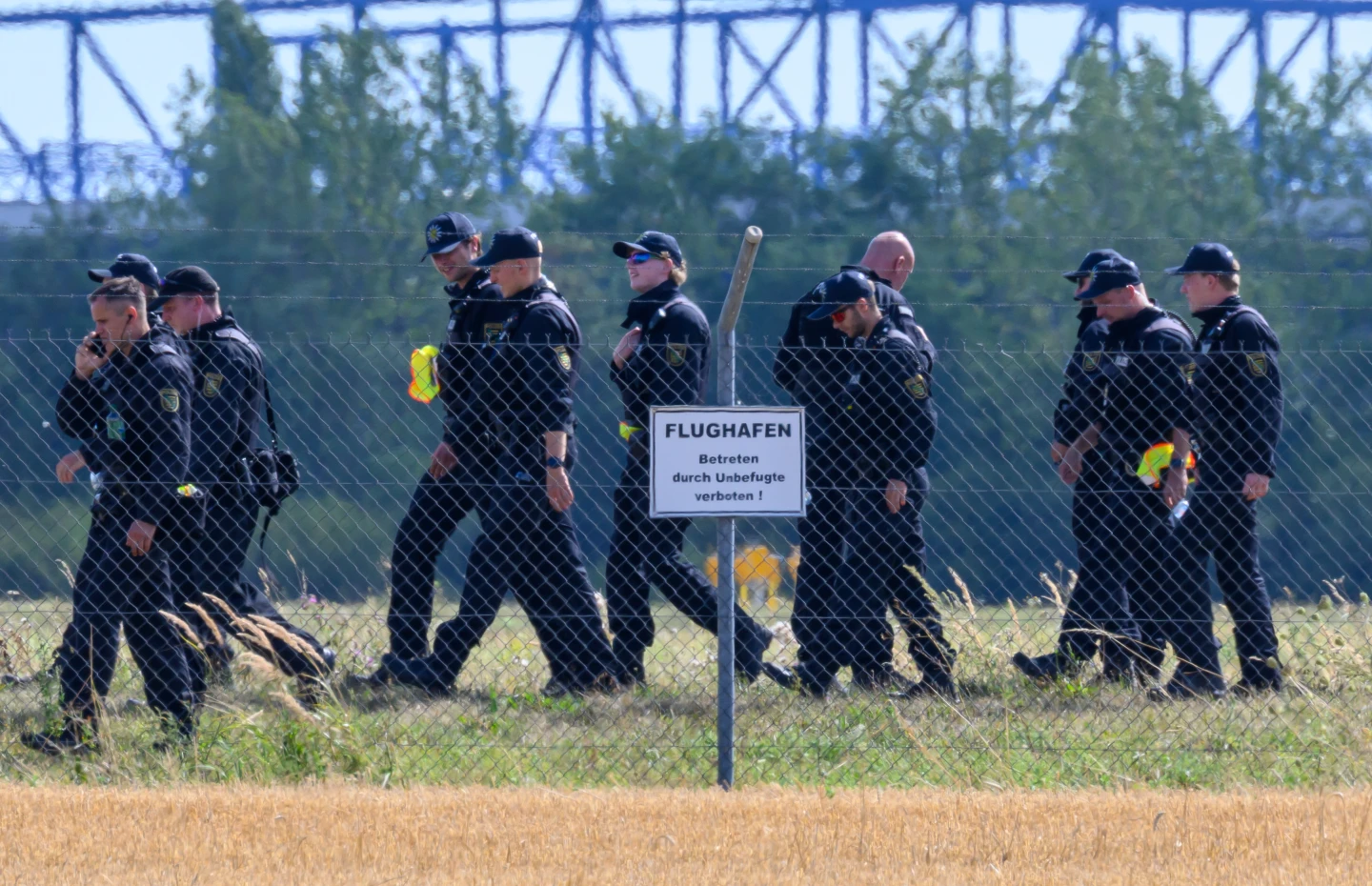
BRUSSELS: The European Union is considering how to respond to an attempted drone attack at Germany’s Leipzig/Halle Airport that Berlin has attributed to Russia, as European governments seek to counter suspected Russian hybrid operations without triggering a direct military confrontation with Moscow.
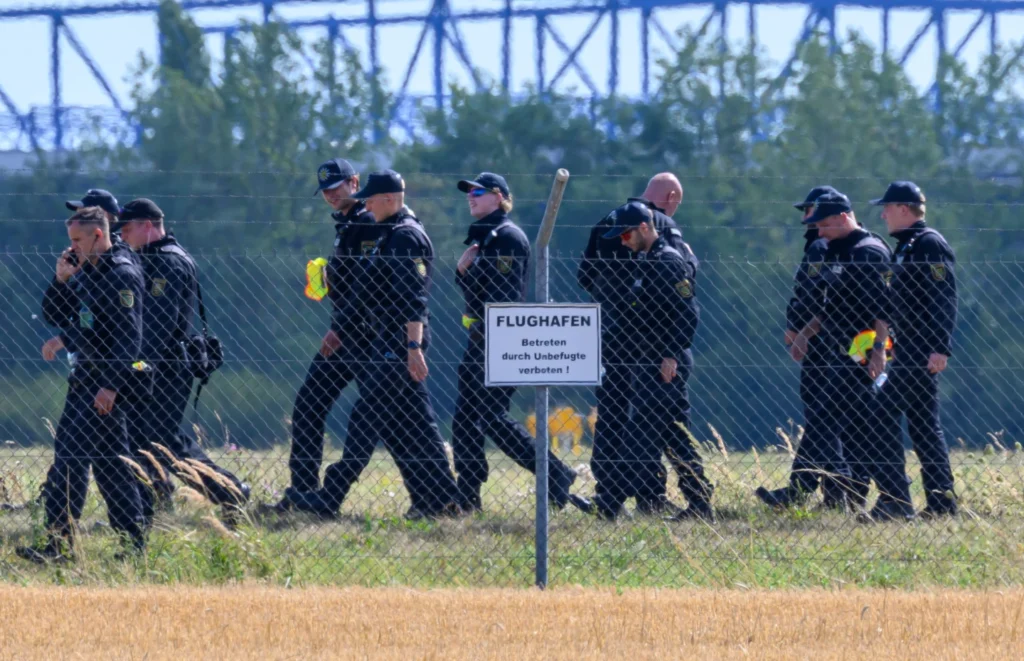
The incident occurred on Aug. 4, when a drone carrying explosives was discovered near a Ukrainian cargo aircraft at Leipzig/Halle Airport. The device was subsequently defused. The airport is a major international freight hub and plays an important role in supporting Ukraine and NATO operations.
German authorities said evidence from the drone, including its configuration, components, explosives and detonator, was consistent with methods previously associated with Russian hybrid operations. Berlin accused Russian state entities of responsibility and announced the closure of the Russian consulate in Bonn, along with additional measures targeting Russian interests.
German Foreign Minister Johann Wadephul said Berlin had carefully prepared its response and called on Moscow to engage in reasonable talks, particularly concerning the war in Ukraine. Germany also plans to seek additional EU sanctions against individuals linked to hybrid attacks and increase pressure on Russia’s so-called shadow fleet.
Russia has rejected the accusations. Russian officials described Germany’s claims as unfounded and politically motivated. President Vladimir Putin also dismissed the allegations, questioning the evidence presented by Berlin and claiming that it had been fabricated.
EU foreign policy chief Kaja Kallas described the incident as having the characteristics of state-sponsored terrorism and said the bloc needed to determine an appropriate response. French Foreign Minister Jean-Noël Barrot said Paris had summoned Russia’s envoy and supported additional sanctions, including measures against vessels linked to Russia’s shadow fleet.
The incident comes amid growing European concerns over alleged Russian sabotage and other disruptive activities. Western officials have linked Moscow to a range of incidents across Europe, including cyberattacks, arson, drone activity and attempts to disrupt critical infrastructure. Russia has repeatedly denied conducting such a campaign.
European governments face the challenge of responding firmly while avoiding steps that could escalate tensions with nuclear-armed Russia. NATO Secretary-General Mark Rutte has expressed full solidarity with Germany, while EU officials continue to emphasize sanctions, diplomatic measures and closer cooperation rather than military retaliation.