 11
11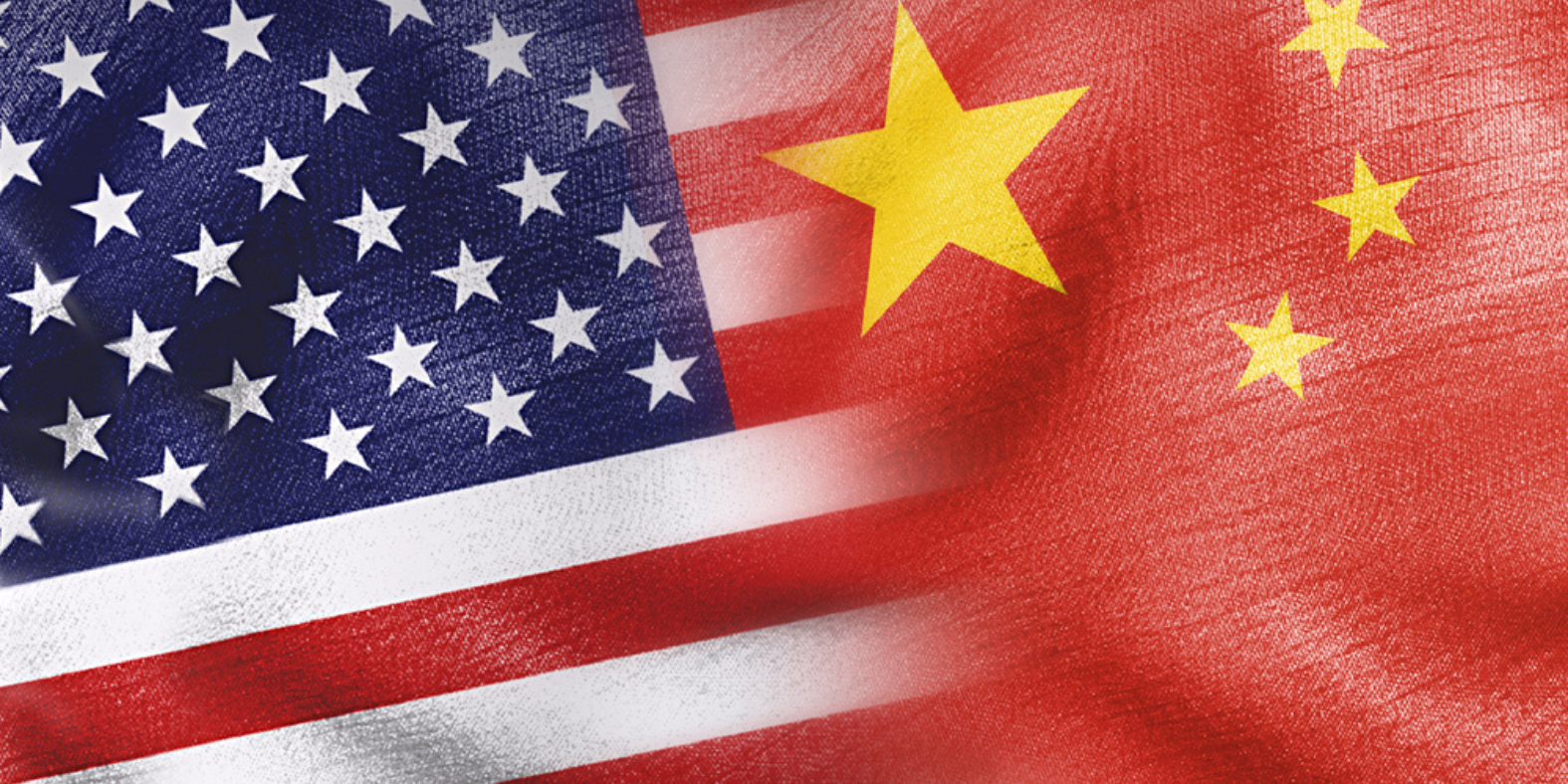
American services exports to China rose 5 percent to $57.2 billion last year. With imports valued at $22.8 billion, the United States achieved a bilateral services surplus of $34.4 billion. That represents almost $100 million earned from China every day by American universities, financial institutions, technology companies, consultancies, tourism operators and intellectual-property owners.
This changes the usual interpretation of the bilateral trade imbalance. China sells America vast quantities of manufactured products. America sells China access to knowledge, expertise, brands, finance and advanced commercial systems. One side supplies physical scale, while the other monetizes intangible value. The relationship remains unbalanced in goods, yet far more complementary when the entire economic account is considered.
Services are also becoming central to global commerce. They represented 27.6 percent of world trade in 2025, while digitally delivered services expanded by 10 percent. The World Trade Organization estimates that artificial intelligence could increase global trade by 40 percent by 2040, with the strongest opportunities emerging in digitally deliverable services. The next phase of globalization will therefore be carried increasingly through algorithms, platforms, professional knowledge and cross-border data rather than ships alone.
The United States and China bring different advantages to this transformation. America retains formidable capabilities in foundational AI models, financial services, software ecosystems, chip design, intellectual property, management consulting and international business standards. China offers something equally difficult to reproduce: a vast consumer market, complete industrial systems, sophisticated digital infrastructure, engineering capacity and extraordinarily fast cycles of commercial application.
American firms can design technologies and high-value services. Chinese companies can deploy, test, customize and scale them across manufacturing, healthcare, retail, logistics and urban systems. Their complementarity exists across the technology chain itself. America remains strong in invention and high-value commercial architecture. China excels in engineering adaptation, integrated production and mass deployment. Each side possesses capabilities that become more valuable when connected with the other.
China’s own transformation strengthens this argument. During the first seven months of 2026, its services trade reached nearly 4.45 trillion yuan, growing 8.3 percent year on year. Exports increased 17.1 percent, while travel and transport generated more than half of that expansion. Knowledge-intensive activities account for roughly 44 percent of China’s services trade, demonstrating that the country’s economic evolution has moved far beyond the old image of an export platform built around inexpensive manufacturing.
Chinese companies expanding overseas are also generating business for American service providers. A company establishing production in Latin America, Southeast Asia, Africa or the Middle East needs financing, insurance, legal advice, market intelligence, tax planning, cybersecurity, regulatory compliance and supply-chain risk analysis. American firms possess extensive experience across these fields. China’s internationalization can therefore produce commercial opportunities for the United States, even when Chinese investment occurs in third markets.
Washington and Beijing require a practical services framework capable of separating legitimate security concerns from routine commercial exchange. Such a framework could establish clearer rules for data compliance, licensing, intellectual-property protection and professional mobility. Regulatory pilot programs could cover healthcare administration, green finance, tourism, logistics and business advisory services. A permanent channel for services disputes could address market-access problems before they trigger political retaliation.
The deeper significance of services trade lies in the constituencies it creates. Students, universities, banks, technology firms, tourism operators, professional advisers and multinational companies acquire a direct interest in stability. Their commercial ties raise the cost of confrontation and preserve channels of contact during periods of political strain.
The future of United States-China trade will be shaped by far more than who manufactures the most goods. It will depend on who finances expansion, educates talent, protects ideas, manages risk, writes software and sets digital standards. In this emerging economy, America and China remain indispensable markets for each other.
The writer is Founder, Friends of BRI Forum and Advisor to Pakistan Research Centre, Hebei Normal University