 11
11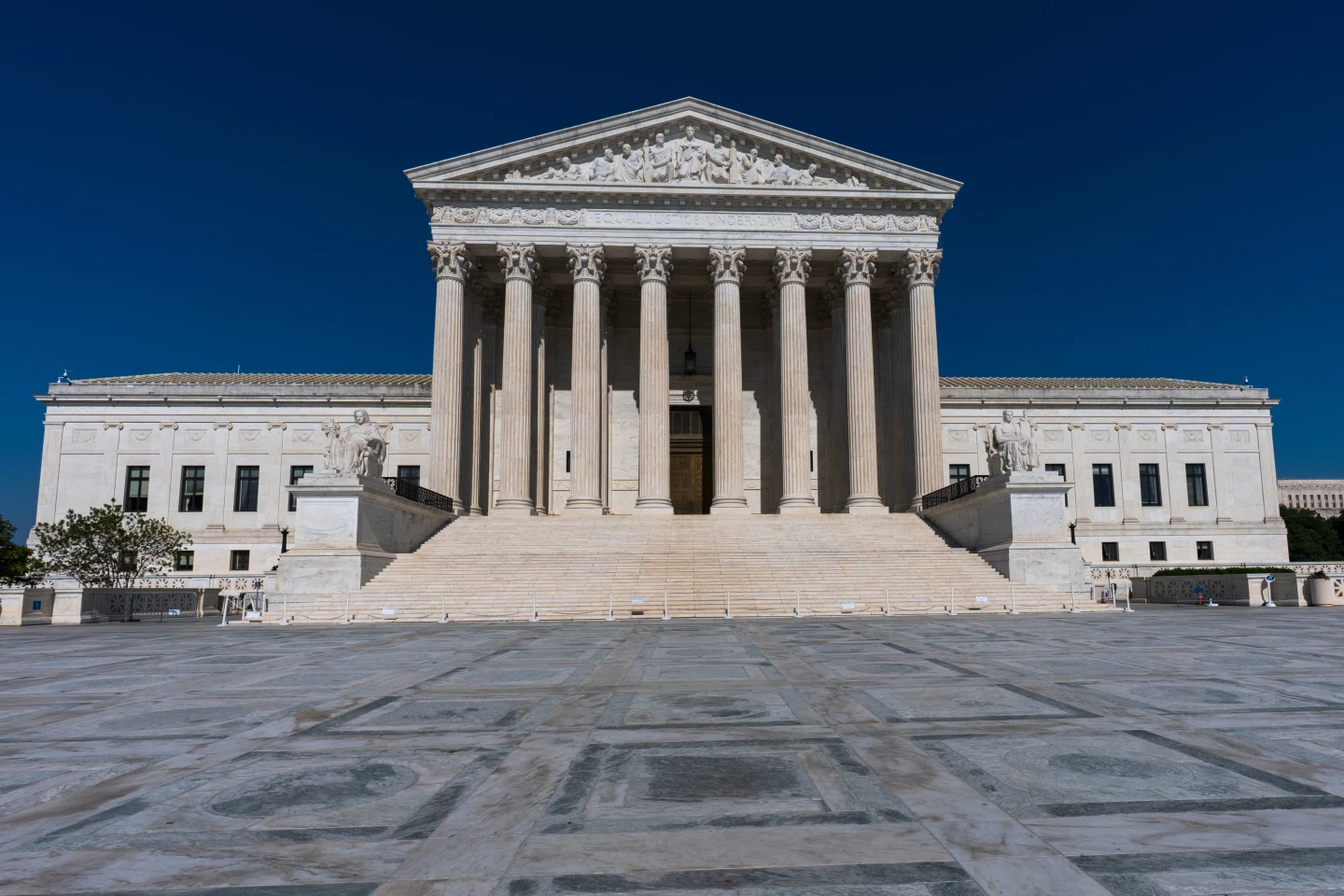
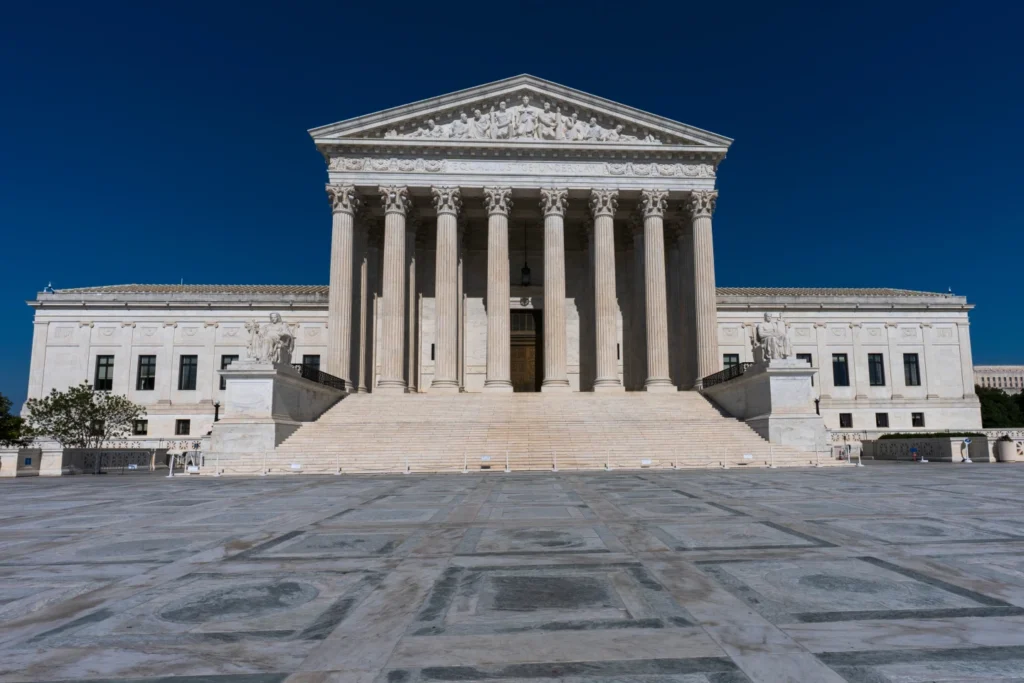
WASHINGTON: The U.S. Supreme Court has rejected President Donald Trump’s attempt to impose new restrictions on mail-in voting ahead of the November midterm elections, allowing states to continue using their existing procedures for processing and sending mail ballots.
The decision represents a setback for the Trump administration, which had sought to implement new federal requirements governing mail-in ballots through an executive order. The restrictions had already faced legal challenges from states and voting-rights groups, with lower courts blocking key elements of the administration’s plan.
Under the proposed system, states would have been required to provide voter information to the federal government and comply with standardized requirements for mail-ballot envelopes. The U.S. Postal Service would also have been given authority to reject ballots that did not meet the new federal standards.
The administration argued that the measures were necessary to strengthen election security and prevent voting irregularities. Trump has repeatedly questioned the reliability of mail voting and has made election integrity a central issue of his political agenda.
However, the Supreme Court’s emergency order concluded that the administration was unlikely to prevail in its legal challenge, leaving the lower-court decisions blocking implementation in place. Justices Clarence Thomas and Samuel Alito dissented from the decision. Justice Brett Kavanaugh joined the majority but indicated that the broader legal questions surrounding federal authority over mail ballots could warrant further consideration.
The ruling comes as voting is already underway in some parts of the United States, making the timing of any major changes to election procedures particularly contentious. Mail ballots account for nearly one-third of votes cast in U.S. elections, according to the Associated Press.
State election officials and voting-rights organizations welcomed the decision, arguing that introducing new federal requirements so close to an election could create confusion, disrupt ballot delivery and potentially prevent legitimate votes from being counted. Officials have also raised concerns about the logistical challenges of adopting new systems and standards on short notice.
The dispute reflects a broader conflict over the balance of power between the federal government and individual states in administering elections. U.S. elections are traditionally managed largely at the state and local levels, while the Trump administration has sought a greater federal role in establishing nationwide election standards.
The Supreme Court’s decision ensures that, for the upcoming midterm elections, states can continue operating their established mail-voting systems without implementing the administration’s proposed restrictions. The ruling is likely to remain part of the wider legal and political debate over election administration and voting access in the United States.