 11
Jerusalem – Israelis followed the emerging results of a closely contested general election on Wednesday after the country recorded its highest voter turnout in more than 25 years. No decisive winner has emerged, and Prime Minister Benjamin Netanyahu and the opposition parties seeking to unseat him may face weeks of coalition negotiations.
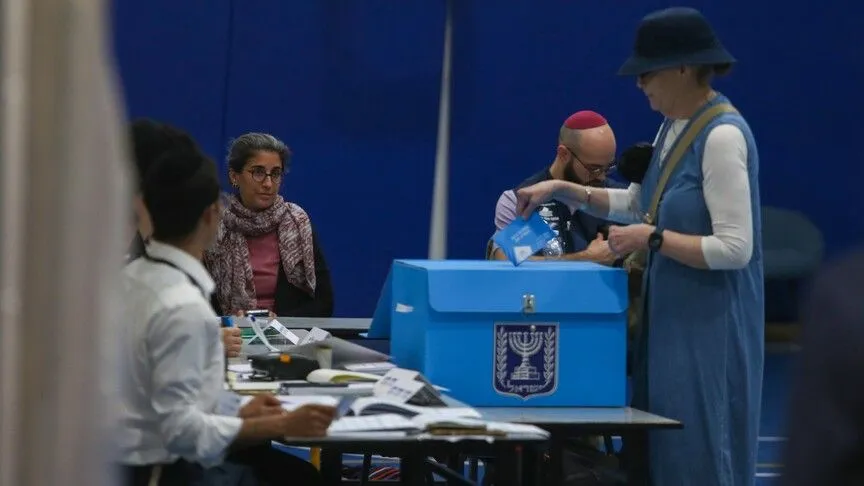
According to Israel’s Central Elections Committee, voter turnout reached 77.7 percent of eligible voters, the highest level since 1999. Final results are expected in the coming days, including several hundred thousand absentee ballots from military personnel and diplomats that have yet to be counted.
With 70 percent of the votes counted, Netanyahu’s Likud party stood at 20.6 percent, while the Yashar party of his main challenger, centrist former military chief Gadi Eisenkot, had secured 15.9 percent. The committee’s count does not yet indicate how these shares will translate into seats in the 120-member Knesset. Likud’s share remains below the 23.4 percent it won in the previous election in 2022.
Arab-led parties delivered a historic performance, though it remains uncertain whether other opposition parties would be willing to form a governing coalition with them. Arab citizens make up about 20 percent of Israel’s population, and issues relating to Palestinians and their descendants remain highly sensitive in Israeli politics.
Netanyahu, who is seeking to remain the country’s longest-serving prime minister, struck a defiant tone early Wednesday and rejected any partnership with Arab parties, describing such an arrangement as treasonous. “We must establish a strong, right-wing, nationalist government,” he said. “We must not endanger Israel and establish a government that relies on anti-Zionist Arab parties.”
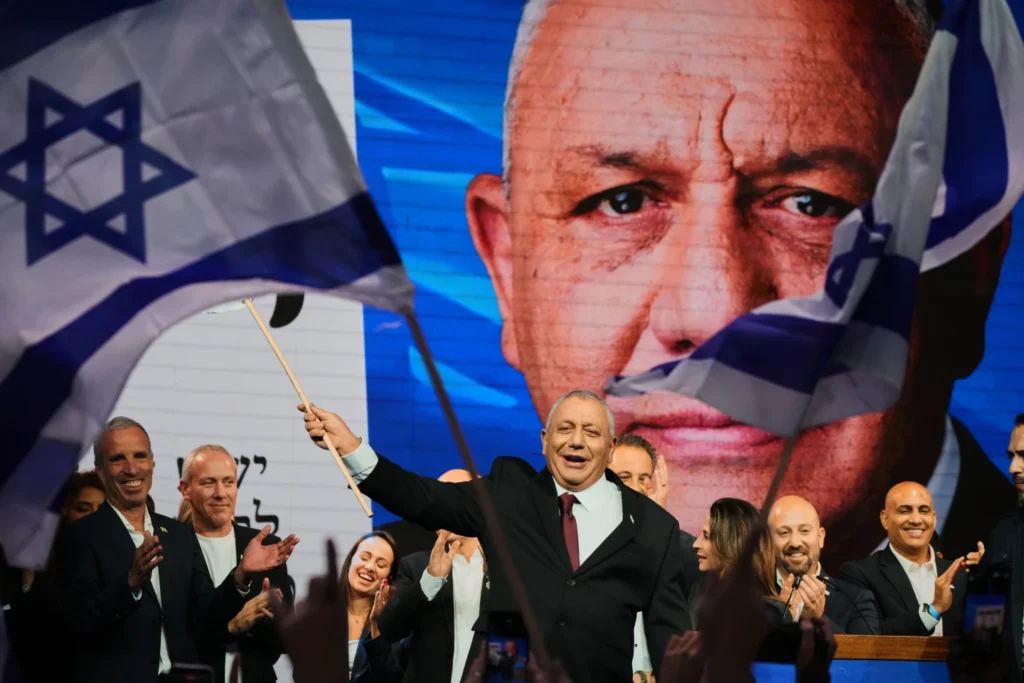
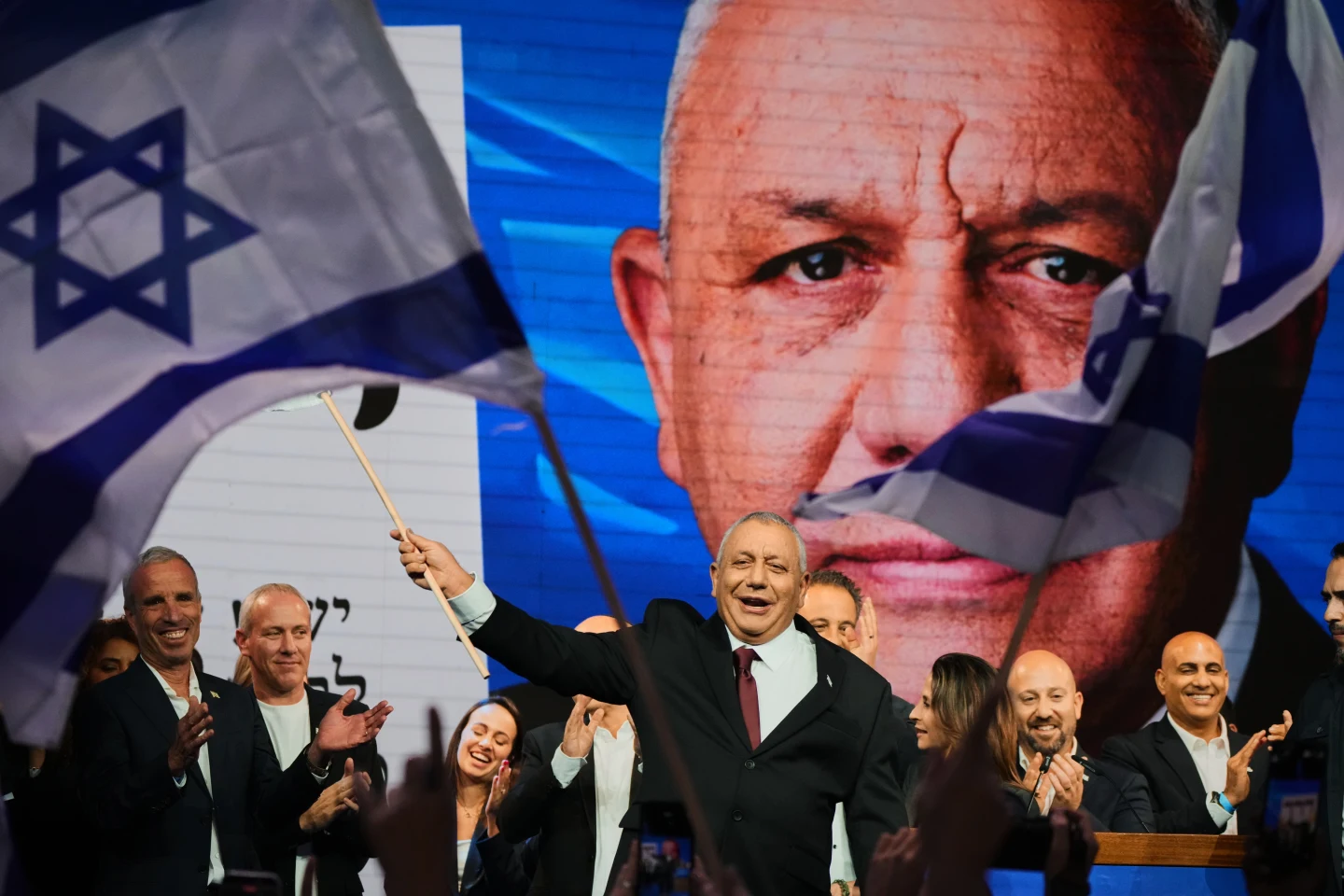
Eisenkot has left open the possibility of working with Arab parties under certain conditions, including their recognition of Israel as a Jewish state and of Hamas as an extremist organization. However, several of his likely coalition partners have ruled out such an alliance, and it remains unclear whether they will reconsider in order to remove Netanyahu from office. In a speech early Wednesday focused on national unity, Eisenkot pledged to form a government and promised “a new era — an era of hope.”
Analysts note that the vote reflected public unease over Netanyahu’s alliance with the far right and anger over military draft exemptions for the country’s sizeable ultra-Orthodox Jewish community. Even so, the results suggest that the opposition was unable to turn the grief and frustration following the Hamas-led attack of October 7, 2023, and three years of war into a decisive victory over the prime minister.
Among Netanyahu’s partners, far-right National Security Minister Itamar Ben-Gvir appeared to lose support. Ben-Gvir, who has drawn widespread criticism for openly taunting Palestinian detainees and claiming that many in Gaza are “not even people,” was seen by many Israelis as representing the most extreme element of the current government.
Exit polls released by major Israeli television channels on Tuesday night indicated that Netanyahu’s governing coalition had shrunk. Vote counting nevertheless suggests that Likud will remain the largest party in parliament and is best positioned to be invited by President Isaac Herzog to form the next government, although the president is not obliged to assign that task to the party with the most seats.
The most direct path to a parliamentary majority would involve Eisenkot partnering with Arab-led parties. Should no leader succeed in assembling a majority coalition, new elections could be called early next year. Israel held five elections between April 2019 and November 2022 amid a similar political deadlock, and it remains uncertain whether Israelis living abroad would again return home to vote or whether Arab voters would turn out in comparable numbers in another round.