 11
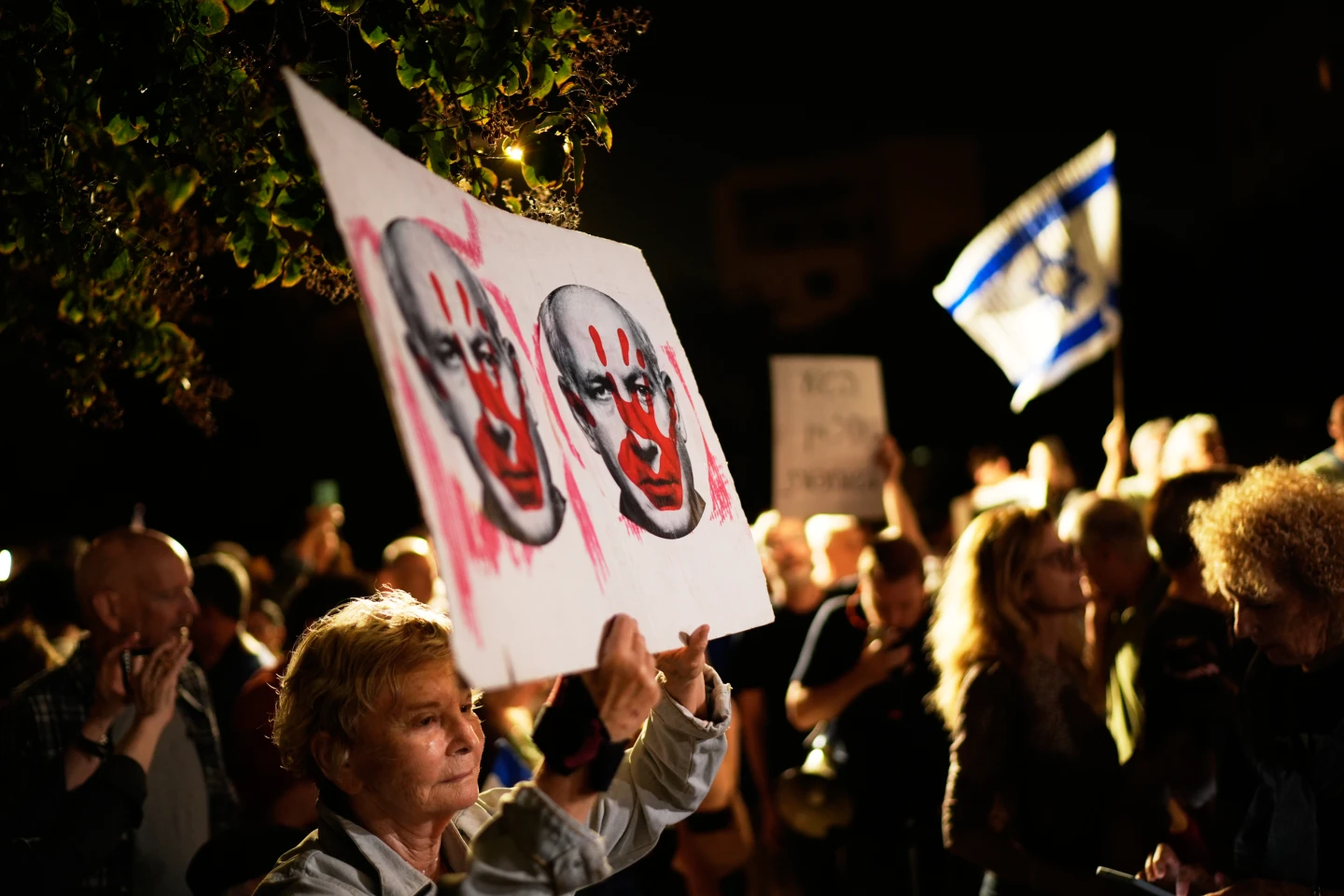
Jerusalem: Israel’s final election results have confirmed that Prime Minister Benjamin Netanyahu’s bloc has lost its parliamentary majority, setting the stage for weeks of complex negotiations among a highly diverse range of parties, from ultra-Orthodox Jewish factions to secular and Arab-led groups.
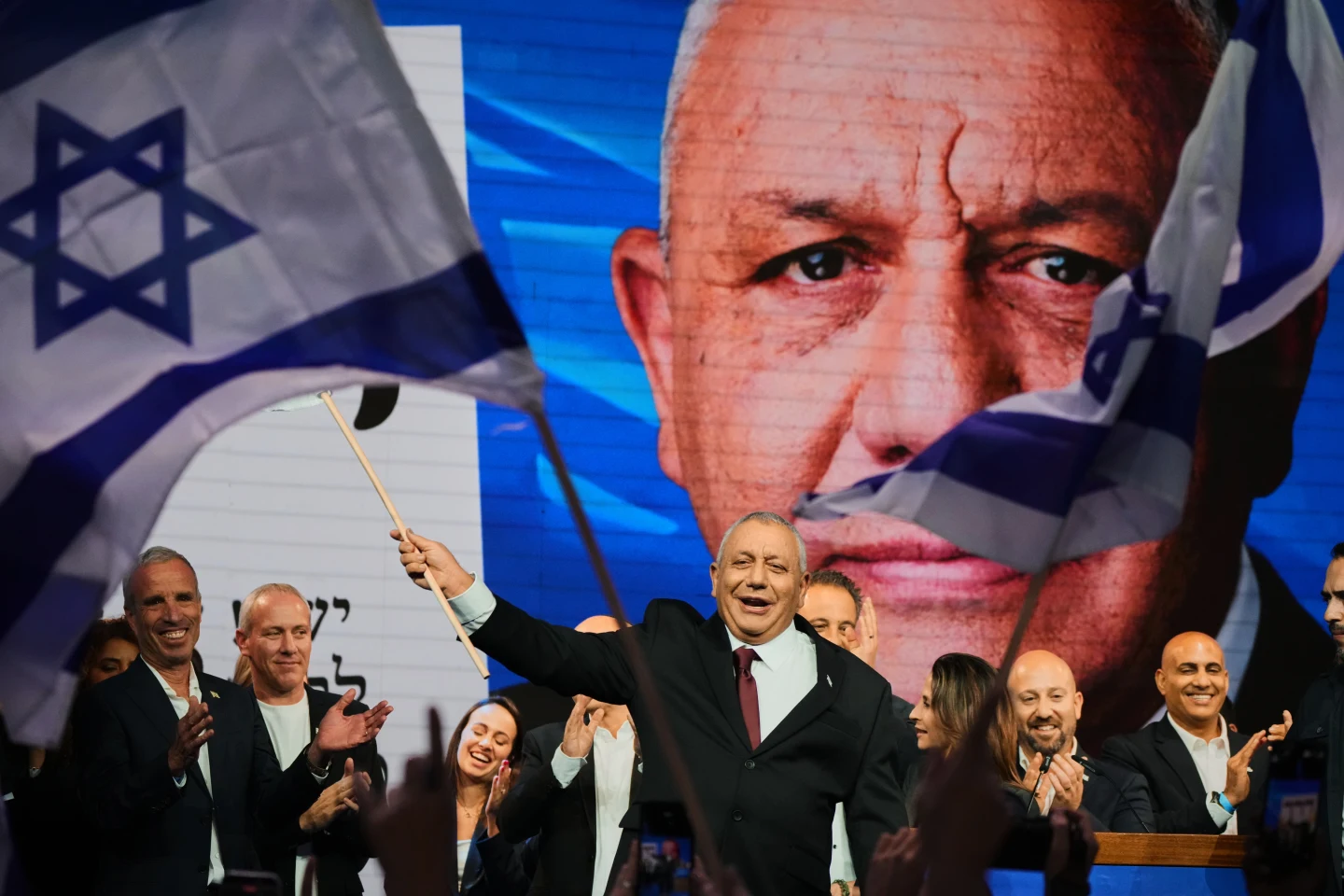
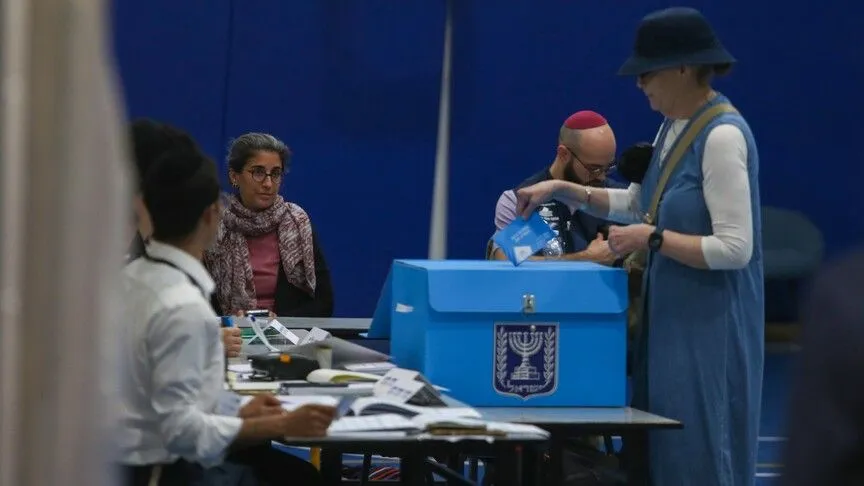
According to the results released early Friday, Netanyahu’s bloc secured 53 seats in Tuesday’s elections, while the main opposition bloc won 48. Arab-led parties captured the remaining 19 seats, a historic performance. Parties must now negotiate and form alliances to reach the minimum of 61 seats required for a majority in the 120-member Knesset.
Netanyahu, Israel’s longest-serving prime minister, remains in office for the time being. Centrist politician Yair Lapid urged patience, stating on X, “Now comes the truly hard part.”
Path to Forming a Government
The coming weeks are expected to bring difficult political choices. The main opposition parties, which campaigned vigorously to unseat Netanyahu, must decide whether to take the politically sensitive step of partnering with Arab-led parties or set aside their campaign pledges to join Netanyahu in a potentially fragile unity government. With much of Israel preparing for Shabbat on Friday, it remained unclear which leaders would meet.
The results are due to be certified and submitted to President Isaac Herzog next Wednesday. The President will then assign the task of forming a government either to the leader of the party with the most votes, Netanyahu, or to the figure whom party leaders consider best placed to succeed. Should repeated attempts fail, Israel would face another election early next year, an outcome Herzog has pledged to do everything in his power to prevent.
Unsubstantiated Claims Against Arab Parties
In the hours preceding the announcement of final results, Netanyahu and his Likud party amplified unsubstantiated allegations that Arab-led parties had “stolen” the election, possibly with foreign assistance. The opposition swiftly accused Netanyahu of demonising Israel’s Arab citizens, who make up 20 percent of the population and turned out in unprecedented numbers, driven in part by anger over Netanyahu’s far-right allies, including National Security Minister Itamar Ben-Gvir, whose party lost seats.
In his first public remarks on Friday, Netanyahu asserted on X that forming a coalition with Arab parties is forbidden. He has also suggested that it would be treasonous for his chief rival, Gadi Eisenkot, or other leaders to align with them, remarks widely seen as an attempt to block any such alliance.
The head of Israel’s election committee, Supreme Court Justice Noam Sohlberg, said “serious suspicions” of foreign interference had been brought before him. In a letter to the Shin Bet security agency, he stated that he could not verify the claims but requested an investigation. Israeli media reported that members of Netanyahu’s party had pointed to Qatar, which many Israelis regard as a patron of Hamas. Qatar rejected the allegations as “ridiculous and dangerous.”
Announcing the results, the election commission said the investigation was based on classified intelligence. Acting Director General Dean Livne declined to elaborate but described media reports about the inquiry as “entirely unfounded,” adding, “It does not affect the final results that will be submitted to the president, nor does it concern any particular sector of the population.”
Seeking to ease tensions, the Shin Bet said its investigation was not intended to “cast aspersions” on a section of the population that had “exercised its right to vote in a democratic and lawful manner.” In a separate letter to a concerned member of parliament, the elections committee stated that “allegations of systematic violations of electoral integrity are baseless.” The committee has asked the Shin Bet to submit its findings within a week.