 111
111 2
2 3
3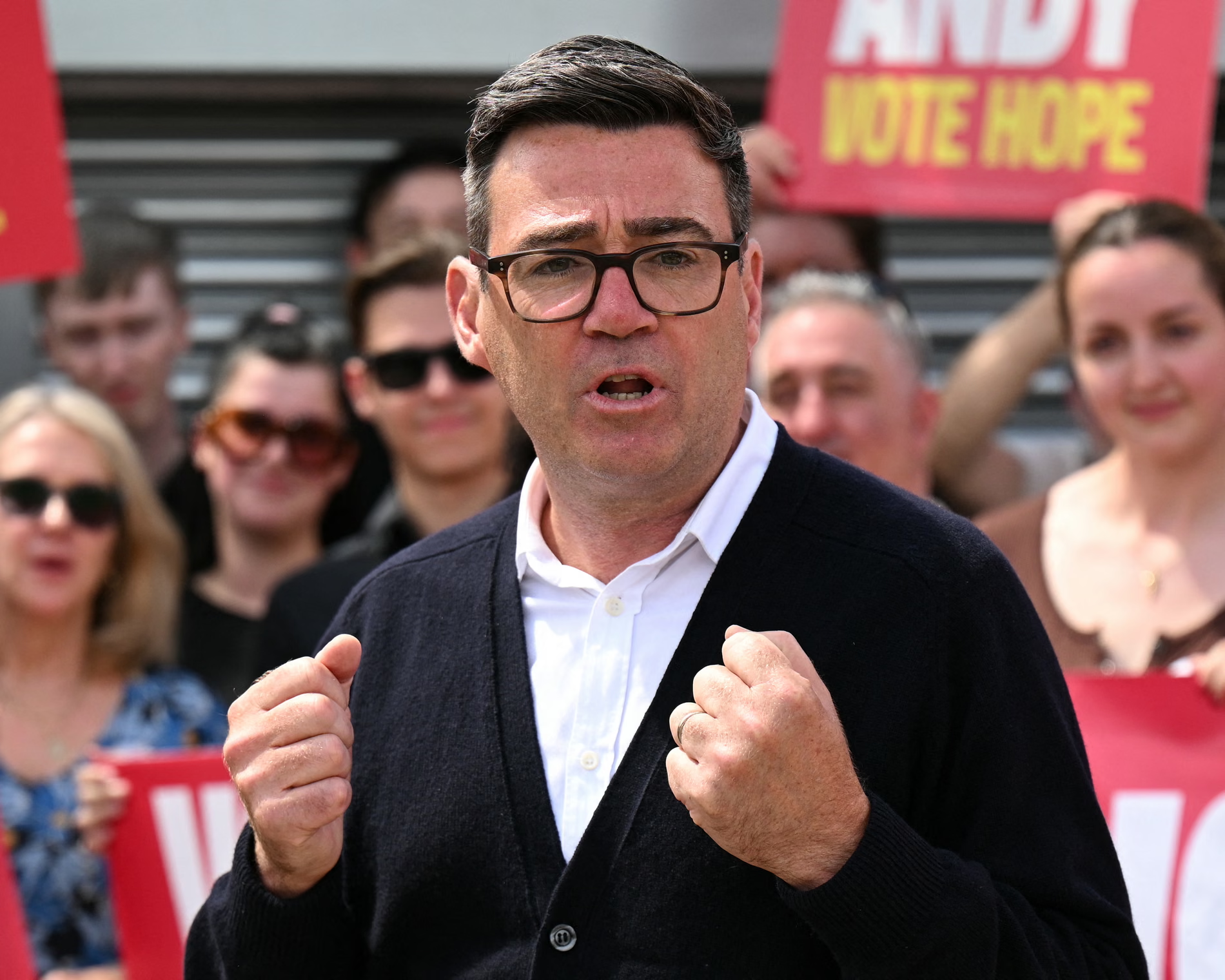
Andy Burnham’s arrival at 10 Downing Street marks one of the most significant political transitions in the United Kingdom in recent years. Succeeding Keir Starmer as prime minister, Burnham inherits an economy facing sluggish growth, strained public finances and persistent inflation, alongside a deeply polarized debate over immigration and public services. His leadership represents not merely a change in personalities, but a critical test of whether Labour can redefine governance while responding to mounting domestic and international pressures.
Unlike many of his predecessors, Burnham enters office with extensive experience in regional governance rather than solely Westminster politics. His tenure as Mayor of Greater Manchester earned him a reputation as an advocate for devolved government, public transport reform and local economic development.
This background could influence a shift toward greater decentralization, empowering regional authorities to drive investment, infrastructure development and employment. However, translating regional success into national policy will require overcoming entrenched bureaucratic structures and fiscal constraints.
The immediate challenge confronting Burnham is Britain’s economy.
Although inflation has eased compared with previous highs, economic growth remains weak, productivity has stagnated and businesses continue to face uncertainty arising from global geopolitical tensions and domestic policy adjustments. Public services—including the National Health Service (NHS), education and local government—also require substantial investment after years of financial pressure.
Burnham must strike a delicate balance between fiscal responsibility and increased public spending. Expanding investment without undermining market confidence will likely determine the government’s credibility among both voters and financial institutions.
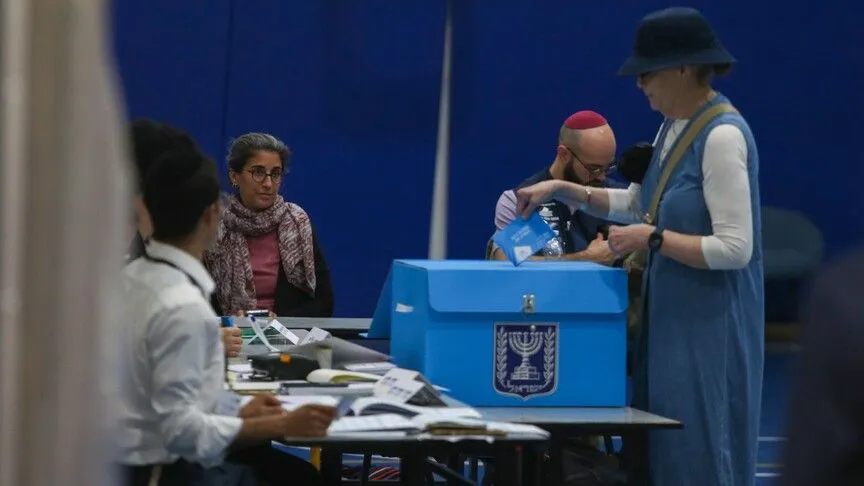
Immigration is expected to remain one of Burnham’s toughest political tests.
Public concern over illegal Channel crossings and asylum processing has intensified in recent years, while businesses continue to rely on overseas labour in sectors facing workforce shortages. The government must therefore reconcile demands for stronger border security with economic realities and humanitarian obligations.
Finding a sustainable middle ground will be politically difficult. Policies perceived as too restrictive could alienate Labour’s progressive supporters, while softer approaches risk criticism from opposition parties and sections of the public seeking tighter immigration controls.
Burnham’s early cabinet appointments indicate a preference for experienced ministers over sweeping political change. Retaining established figures in key economic portfolios suggests that the new administration values continuity during a period of economic uncertainty.
This measured approach may reassure financial markets and international partners. However, it also raises expectations that the government must deliver tangible policy outcomes rather than relying solely on changes in leadership.
Foreign policy presents another complex challenge.
The United Kingdom continues to navigate post-Brexit economic relationships while maintaining close security cooperation with NATO allies. Ongoing conflicts in Ukraine and the Middle East, alongside evolving trade dynamics with the United States, European Union and Indo-Pacific partners, will require careful diplomatic management.
Burnham’s government is expected to prioritize economic diplomacy by attracting investment, expanding exports and strengthening Britain’s role in emerging technologies and clean energy industries.
Burnham begins his premiership with a degree of public optimism, but expectations are exceptionally high.
British voters continue to face high housing costs, pressure on healthcare services and concerns over living standards. Delivering measurable improvements within a relatively short political timeframe will be essential if Labour hopes to maintain public confidence before the next general election.
Unlike opposition politics, governing offers limited room for rhetoric without results. Burnham’s administration will ultimately be judged on economic performance, public service delivery and its ability to restore confidence in political institutions.
Andy Burnham’s premiership represents both an opportunity and a formidable challenge for the United Kingdom. His experience in regional leadership offers a fresh perspective on governance, but national leadership demands solutions to issues that extend far beyond local administration.
The coming months will reveal whether his government can transform ambitious policy goals into practical achievements. Success will depend on managing economic recovery, addressing immigration with balanced reforms, rebuilding public services and restoring political stability in an increasingly uncertain global environment.
Ultimately, Burnham’s legacy will not be defined by his appointment alone, but by whether he can deliver sustained economic growth, improve living standards and strengthen Britain’s position at home and abroad during a period of profound political and economic change.