 11
11
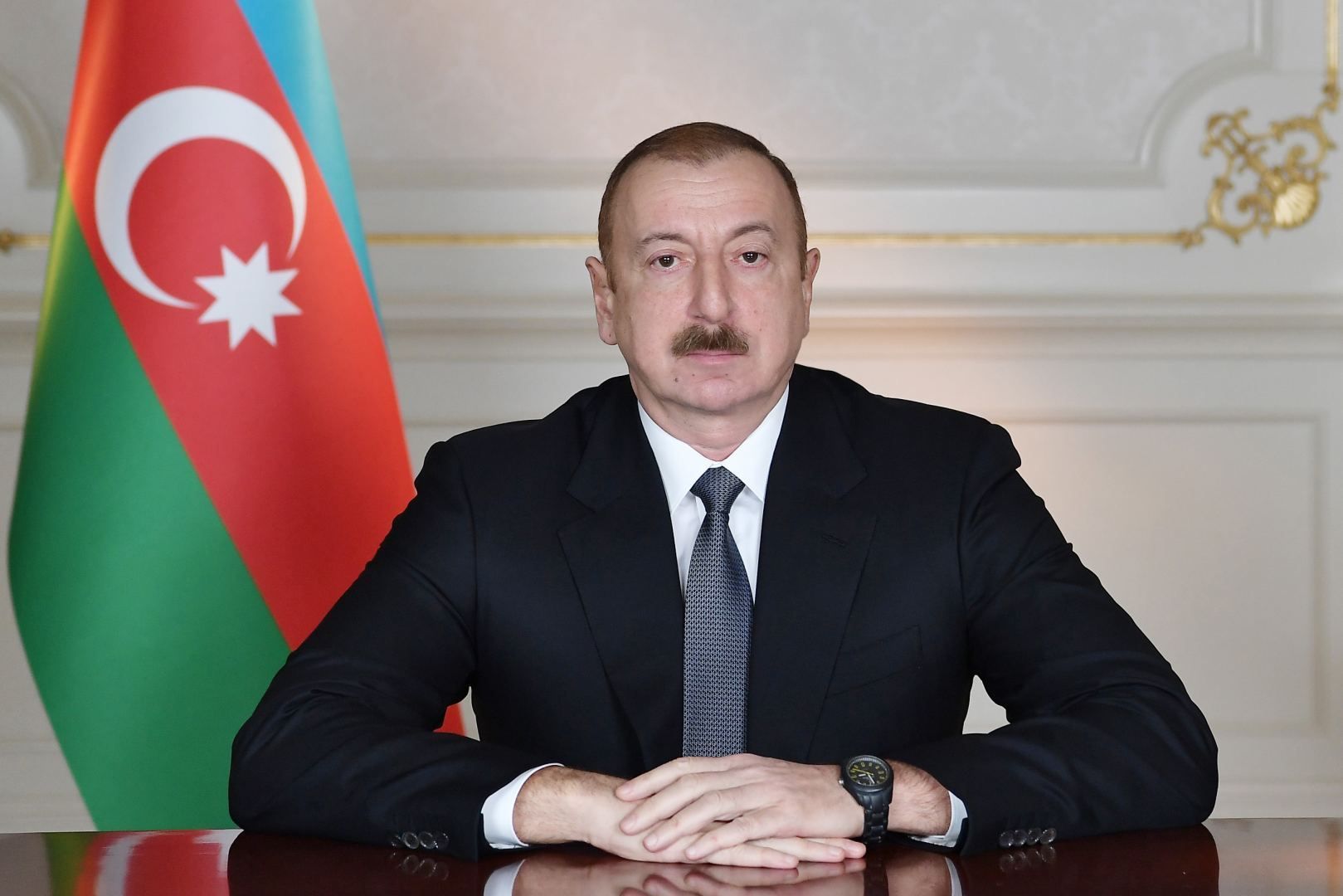
BAKU: President Ilham Aliyev has said that Baku Energy Week has become one of the world’s leading platforms for global energy cooperation, underlining Azerbaijan’s role in strengthening international energy security and expanding investment partnerships.
Addressing participants at the opening of Baku Energy Week, President Aliyev welcomed delegates and described the event as an evolution of the Caspian Oil and Gas Exhibition, which he said laid the foundation for modern Azerbaijan’s energy sector. He noted that landmark agreements, including the Shah Deniz gas contract signed in 1996, marked a turning point in the country’s energy development and regional cooperation.
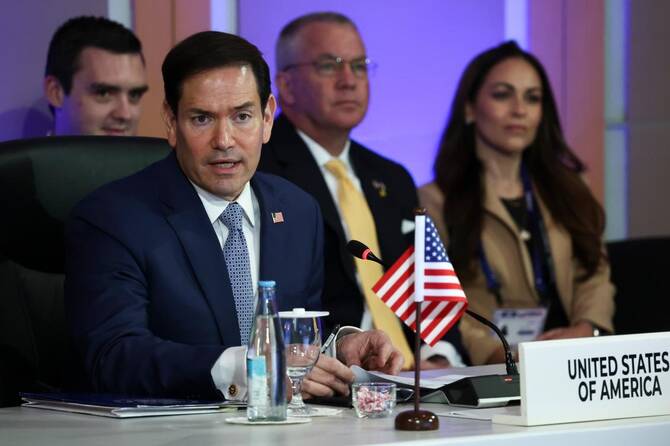
The president expressed gratitude for messages sent by international leaders, including U.S. President Donald Trump, Turkish President Recep Tayyip Erdoğan, and UK Prime Minister Keir Starmer, stating that their support reflects the global importance of the event.
Aliyev praised what he described as a shift in global energy discourse, saying that fossil fuels had been unfairly “demonized” in previous years. He argued that energy policy should be guided by pragmatism, combining responsible use of hydrocarbons with investment in renewable energy. He credited recent global policy changes with restoring balance to the energy sector and emphasized that countries should not be judged by their natural resources but by how effectively they use them for national development.
Recalling Azerbaijan’s situation in the early 1990s, Aliyev said the country faced severe economic crisis, displacement, and infrastructure shortages following independence. He stated that the decision to open the Caspian region to international energy companies in 1994 was crucial for national survival and long-term development.
According to the president, Azerbaijan has since transformed its economy through energy revenues, investing heavily in infrastructure, education, healthcare, and social development. He said poverty has been significantly reduced, unemployment has declined, and foreign debt has been brought down to one of the lowest levels globally, while national reserves have grown substantially.
Aliyev also highlighted Azerbaijan’s major energy infrastructure projects, including the Baku–Tbilisi–Ceyhan oil pipeline, Baku–Supsa pipeline, and the Southern Gas Corridor comprising TANAP and TAP. He said these projects have strengthened Europe’s energy security and expanded Azerbaijan’s role as a key energy exporter.
He noted that Azerbaijan currently supplies natural gas to 16 countries, including 10 members of the European Union, and said production capacity will continue to increase through new developments such as the Azeri-Chirag-Gunashli deep gas project and the Absheron field.
The president added that Azerbaijan is now investing abroad through its State Oil Company, SOCAR, including projects in the Middle East, Africa, and Central Asia. He also highlighted growing downstream capacity, with expanded refining operations and increased exports of petroleum products, electricity, petrochemicals, and renewable energy.
Aliyev emphasized Azerbaijan’s expanding renewable energy agenda, stating that the country plans to develop 2 gigawatts of solar and wind capacity by the end of next year and 8 gigawatts by 2032, alongside hydropower projects in liberated territories. He also outlined regional connectivity initiatives, including planned Black Sea and Caspian energy transmission cables linking multiple countries.
The president said Azerbaijan’s transformation demonstrates how natural resources, when managed strategically, can drive long-term economic stability, military strength, and international cooperation. He credited diplomatic engagement and infrastructure investment for enabling Azerbaijan to become a key transit and energy hub linking East and West.
Concluding his remarks, Aliyev expressed confidence that Baku Energy Week would generate new agreements and strengthen global energy partnerships, reaffirming Azerbaijan’s commitment to both traditional and renewable energy development.