 11
11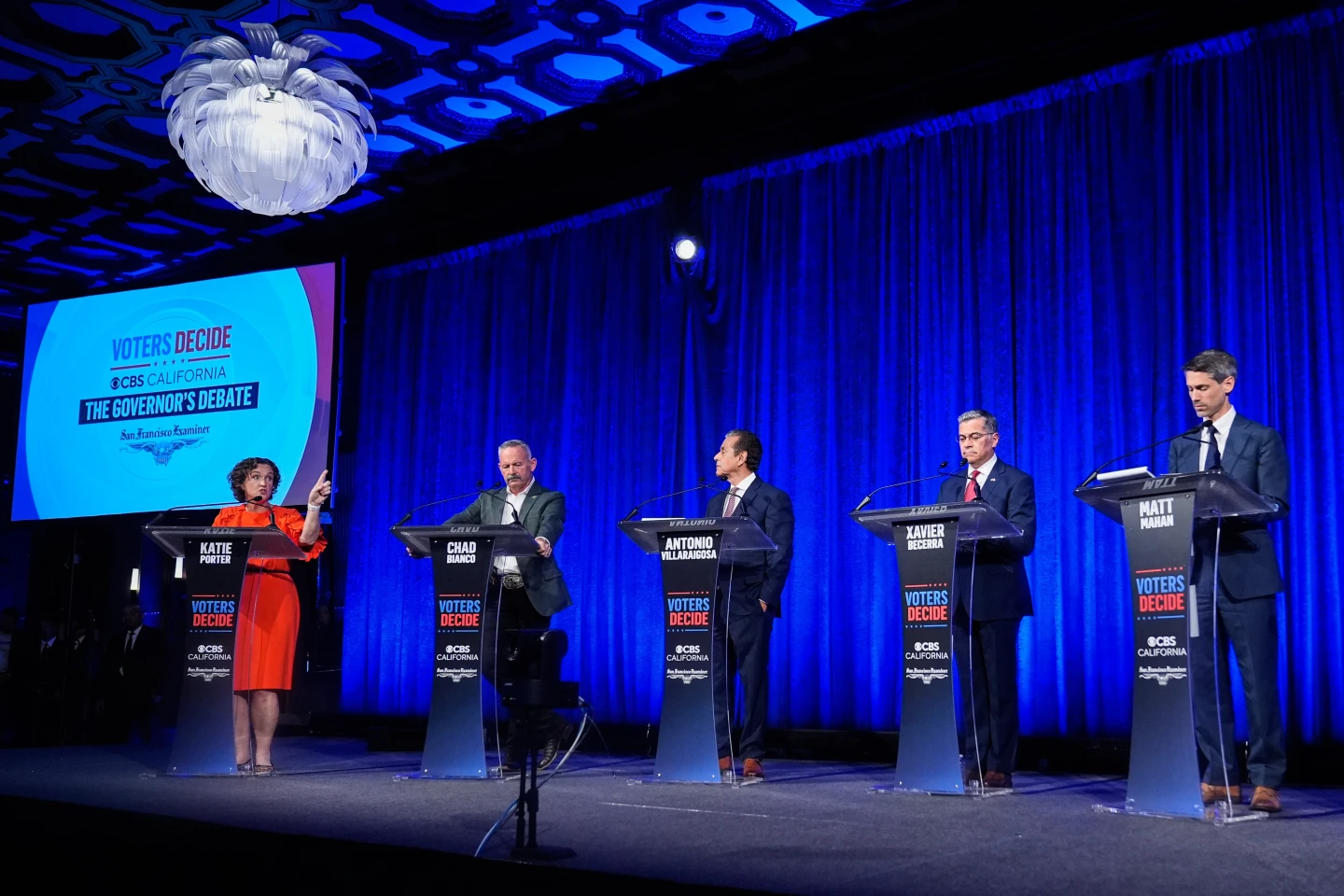
SACRAMENTO: California’s gubernatorial primary concluded Tuesday as voters selected from a large field of candidates competing to succeed term-limited Democratic Governor Gavin Newsom, bringing to a close a highly competitive and unsettled race.
The voting period, which began in early May, ended without a clear front-runner in a contest shaped by shifting momentum, heavy advertising, and sharp disagreements over how to address the state’s economic challenges. California’s “top-two” primary system places all candidates on a single ballot regardless of party, with the two highest vote-getters advancing to the November general election. Around 60 candidates were listed, most of them with limited statewide recognition among California’s roughly 23 million voters.
On the Democratic side, prominent contenders included former state attorney general and U.S. health secretary Xavier Becerra, billionaire climate activist Tom Steyer, former Congress member Katie Porter, and San Jose Mayor Matt Mahan. Leading Republican candidates included political commentator Steve Hilton and Riverside County Sheriff Chad Bianco.
Democratic candidates largely focused on resisting policies associated with the Trump administration, while Republicans campaigned on ending more than a decade of Democratic leadership in Sacramento. However, the dominant issue across the race remained California’s high cost of living, including elevated fuel prices, expensive housing, and some of the highest electricity rates in the United States.
Economic data underscored voter concerns, with gasoline prices exceeding $6 per gallon in late May and home prices averaging significantly above the national median. Candidates proposed a range of solutions, including suspending gas taxes, expanding subsidies for education, restructuring healthcare systems, and increasing energy production.
Republican candidate Steve Hilton argued that the state had “gone off track,” criticizing one-party rule and calling for political balance, while Democrats defended their records and policy approaches, including investments in public services and environmental regulation.
The primary system also generated uncertainty early in the race, with some Democrats initially concerned that vote-splitting could result in two Republicans advancing to the general election despite Democrats holding a larger share of registered voters. Those concerns eased as leading Democratic contenders consolidated support in the final days.
The race saw notable developments, including the withdrawal of Democratic Representative Eric Swalwell earlier in the cycle, and intense scrutiny of Becerra’s tenure at the U.S. Department of Health and Human Services, particularly his handling of migrant child housing during the Biden administration.
Campaign spending also played a significant role, with Steyer’s campaign reportedly investing heavily in advertising across television and radio platforms. Critics questioned the influence of wealth in the race, while supporters emphasized policy experience and climate advocacy.
Republican candidates, meanwhile, struggled to consolidate support, with former U.S. presidential candidate Donald Trump endorsing Hilton and urging voters to back him. Trump argued that Democratic leadership had failed California and pledged assistance if Hilton were elected.
Election officials cautioned that final results could take days or weeks due to California’s mail-in ballot system, which allows ballots postmarked by Election Day to be counted after receipt. The state has not seen a gubernatorial race without a widely recognized political figure leading the field in more than two decades, a contrast to earlier contests involving figures such as former governor Arnold Schwarzenegger and former governor Jerry Brown.