 11
11
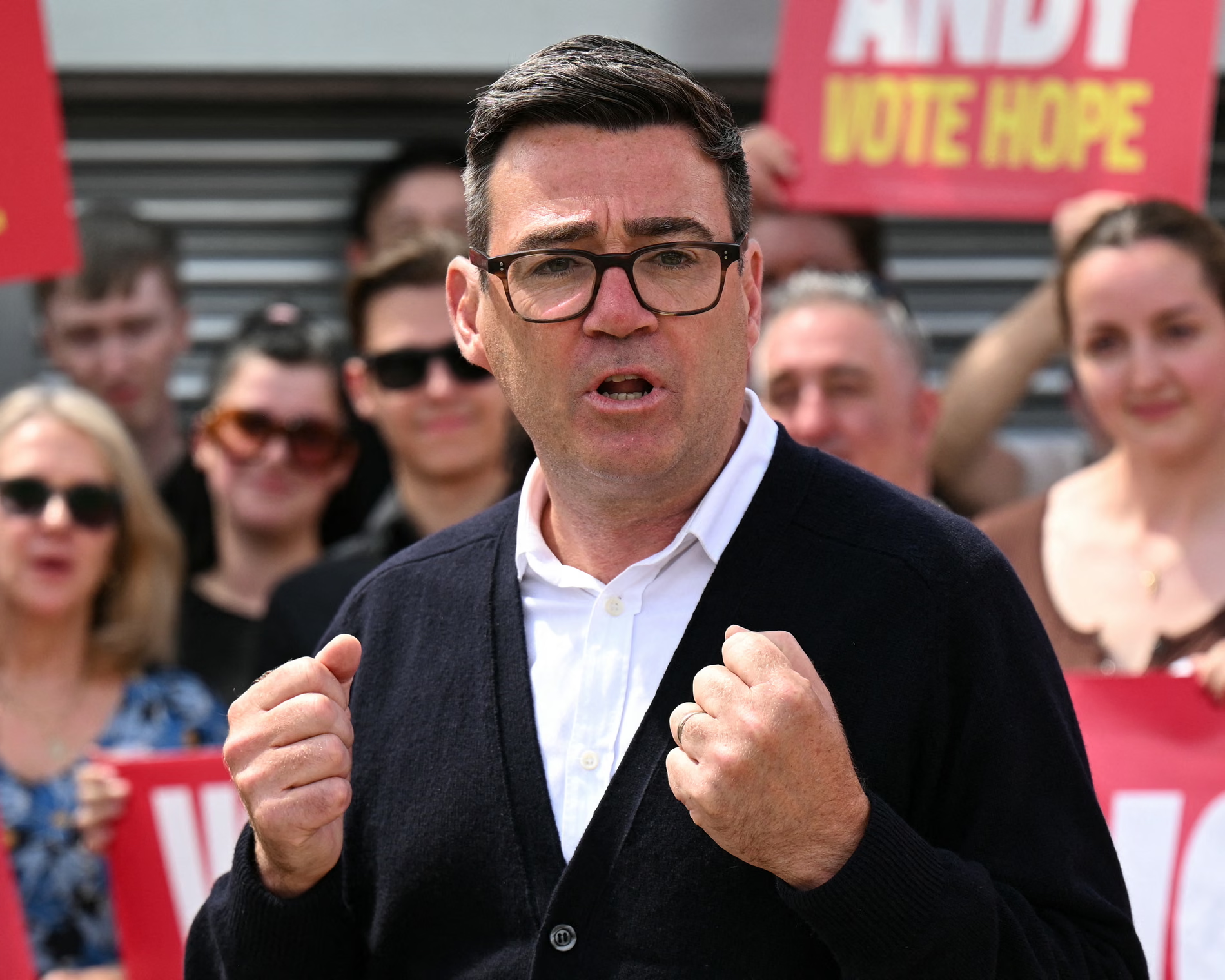
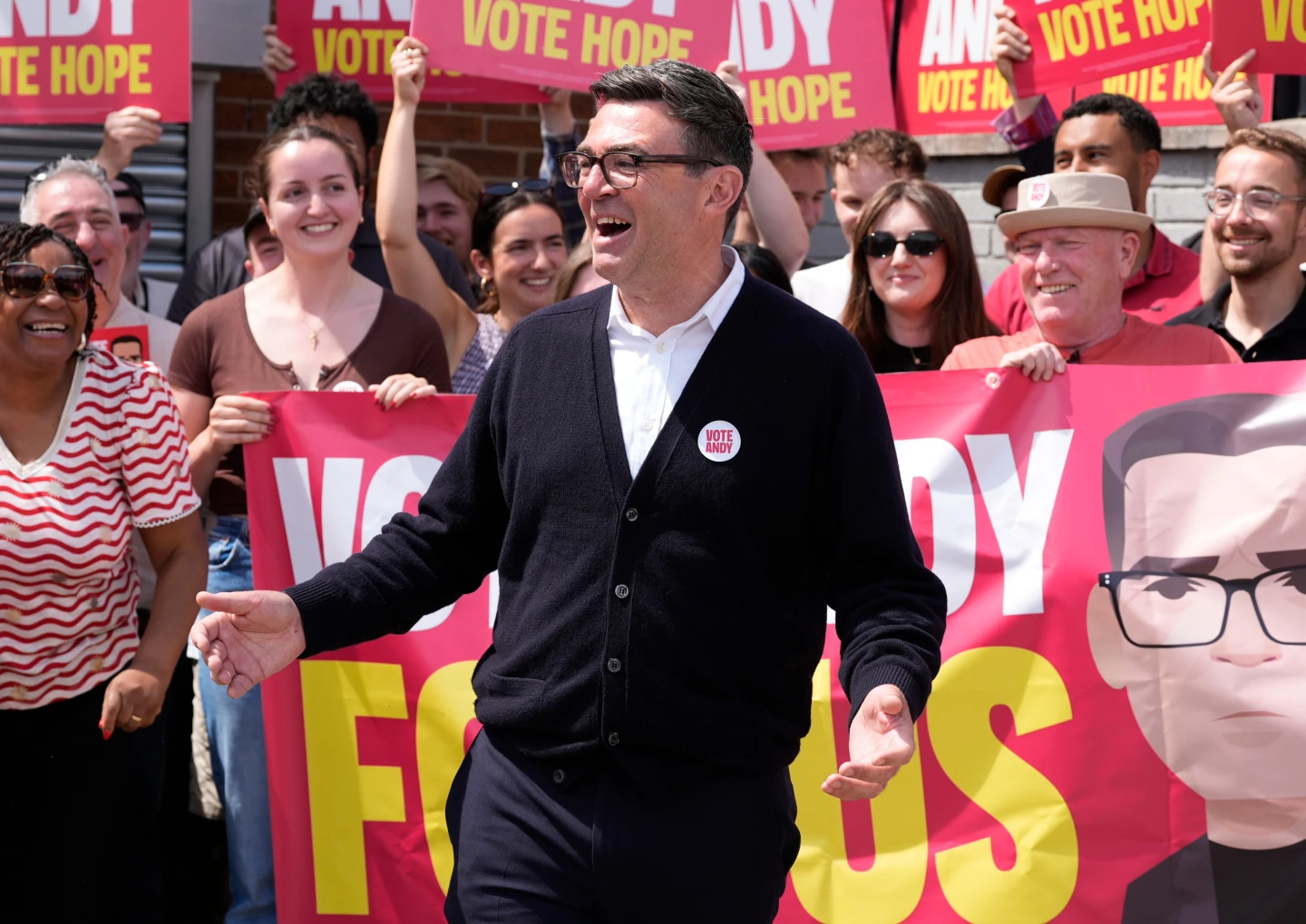
The debate over Britain’s regional inequality has resurfaced with renewed intensity following an opinion article by former Conservative minister Justine Greening, who argues that former Prime Minister Boris Johnson failed to deliver on the original vision of “levelling up.” Instead, she contends that Greater Manchester Mayor Andy Burnham’s concept of “good growth” offers a more credible blueprint for reducing regional disparities and revitalising local economies.
Greening, who says she originally developed the “levelling up” concept during her time in government, argues that the policy was intended to address deep-rooted inequalities in opportunity rather than simply distribute infrastructure funding. According to her, the Johnson administration narrowed the initiative into a politically driven funding programme that lacked a coherent long-term strategy, ultimately failing to transform disadvantaged communities.
At the heart of Burnham’s alternative is the principle of “good growth”—an economic model that seeks to combine prosperity with social inclusion. Rather than measuring success solely through GDP or investment figures, the approach emphasises improvements in education, skills, housing, transport, public health and employment opportunities across every community. Supporters argue that growth should be judged by whether it benefits people throughout the country rather than concentrating wealth in London and the South East.
A defining feature of Burnham’s strategy is greater devolution. The proposal calls for transferring more decision-making powers from Whitehall to regional and local authorities, allowing local leaders to tailor policies to their communities’ specific needs. Advocates argue that local governments are better placed than central government to identify priorities and coordinate investment across transport, education, housing and economic development.
Greening also stresses the importance of stronger partnerships between government, businesses and communities. In her view, businesses should not merely create jobs but also act as engines of social mobility through apprenticeships, skills development and investment in local talent. She further argues that Britain’s Treasury should shift from short-term spending decisions towards long-term investment in human capital and preventative public services.
However, translating these ambitions into reality presents considerable challenges. Britain continues to face sluggish economic growth, high public debt, pressure to increase defence spending and persistent demands for greater investment in public services and infrastructure. These fiscal constraints may limit the government’s ability to finance large-scale regional development programmes without either increasing borrowing or identifying new sources of revenue.
Critics also question whether decentralisation alone can reverse decades of deindustrialisation and uneven economic development. Previous attempts to empower local authorities have often suffered from inconsistent funding, overlapping governance structures and changing political priorities. Many analysts argue that meaningful regional transformation would require sustained cross-party commitment extending well beyond a single parliamentary term.
The renewed discussion reflects a broader shift in British politics. Rather than focusing solely on redistribution, policymakers are increasingly debating how to generate inclusive, locally driven economic growth that delivers tangible improvements in living standards. Whether Burnham’s “good growth” agenda succeeds will depend not only on political vision but also on institutional reform, fiscal capacity and the ability to maintain long-term policy continuity across successive governments.