 11
11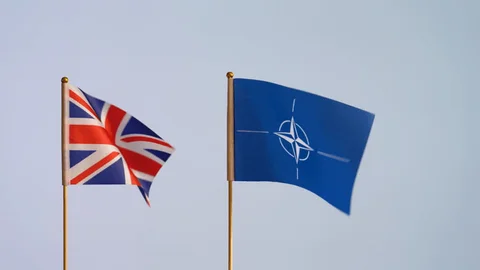
The warning that NATO needs a “credible trajectory” for when the United Kingdom will be ready for war highlights a deeper challenge facing British defence policy: the alliance is no longer asking merely for promises of higher spending, but for concrete evidence that military capabilities can be rebuilt within a realistic timeframe. The issue has moved beyond politics and into questions of operational credibility.
For years, defence debates in Britain have focused on spending levels as a percentage of GDP. However, NATO’s growing concern is less about headline figures and more about whether the UK can field deployable forces, replenish ammunition stocks, modernize equipment and sustain military operations during a major conflict. Senior military officials have repeatedly warned that Britain’s armed forces are not yet prepared for a full-scale war despite planned increases in defence expenditure.
The challenge is particularly acute because modern warfare, as demonstrated in Ukraine, consumes vast quantities of munitions, drones, air defence systems and industrial production capacity. Rebuilding these capabilities requires years of investment rather than short-term budget announcements.
Much of the controversy revolves around the delayed Defence Investment Plan (DIP), a long-term blueprint intended to translate strategic ambitions into military capabilities. The plan has been delayed by disputes over funding, with estimates suggesting a substantial gap between military requirements and available resources. The disagreement has already contributed to political turmoil within the government and raised concerns among allies about Britain’s ability to meet future commitments.
NATO allies are increasingly focused on whether Britain can present a clear roadmap showing when key capabilities will be restored and how future spending targets will be achieved. Without such a roadmap, commitments risk being viewed as aspirational rather than actionable.
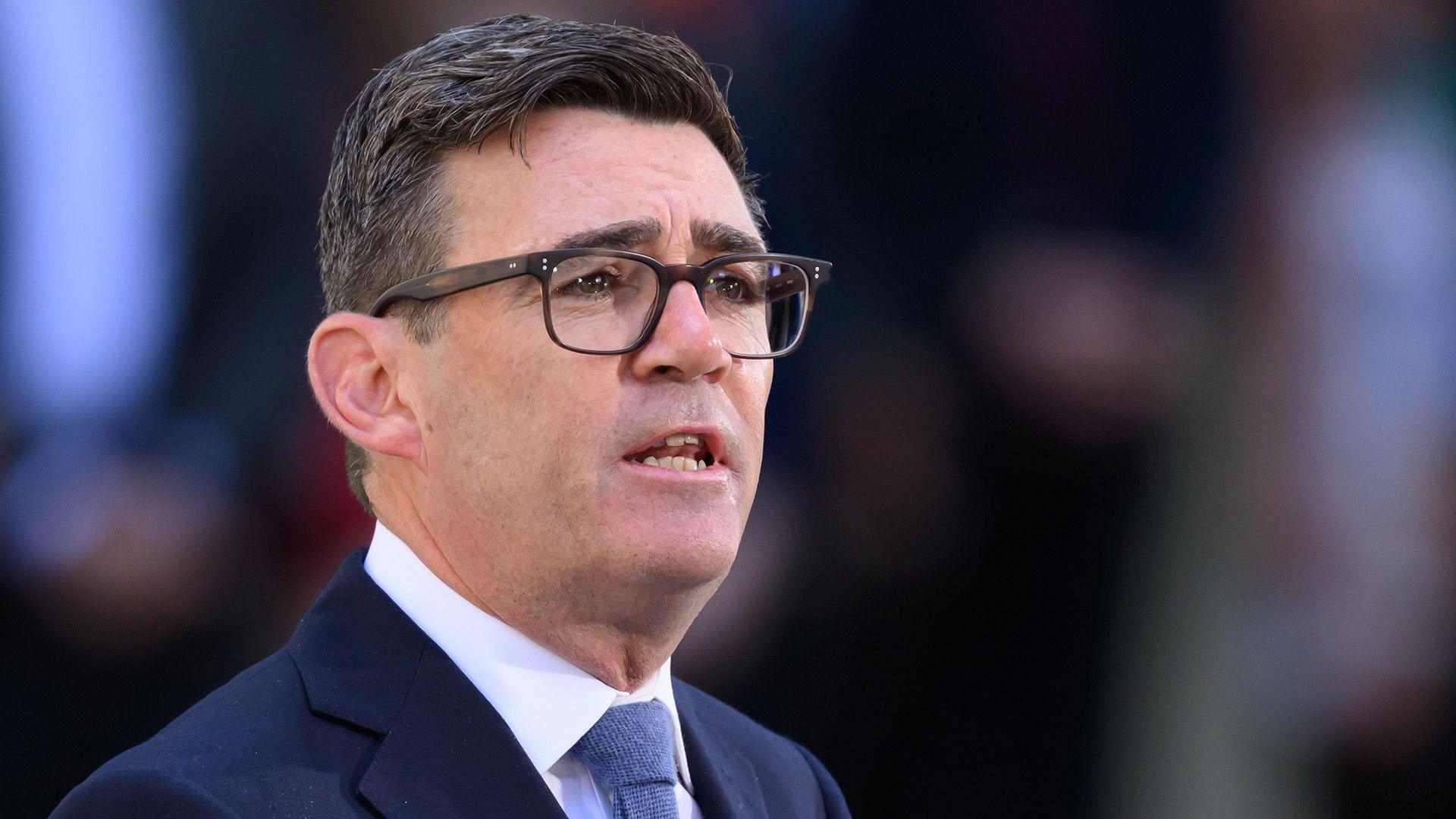
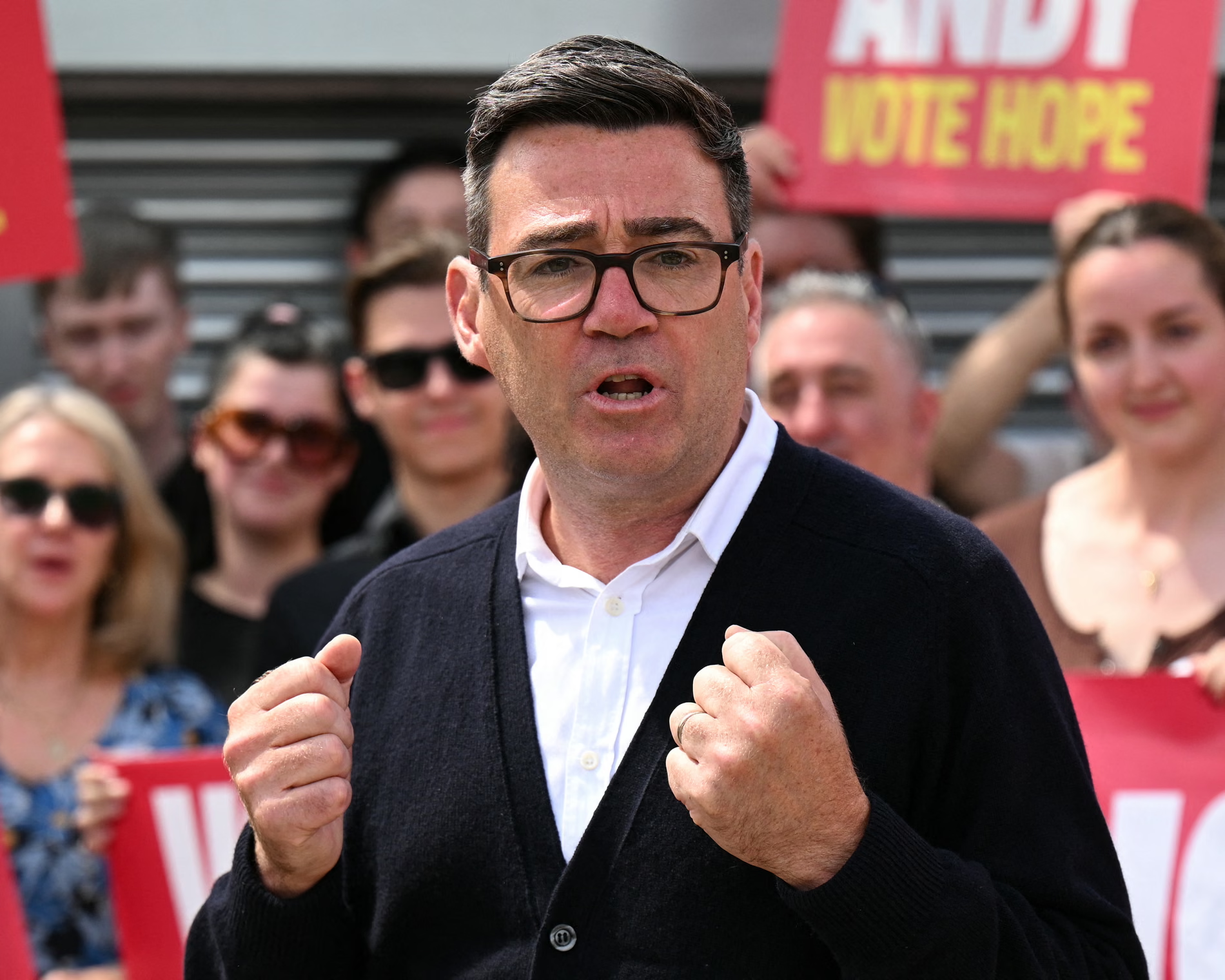
The political backdrop makes the situation even more complex. With Sir Keir Starmer’s leadership entering its final weeks and a transition toward Andy Burnham expected, long-term defence commitments are no longer entirely within the outgoing prime minister’s control. Reports indicate that Burnham may wish to review or revise elements of the Defence Investment Plan, creating uncertainty about the continuity of defence policy.
For NATO, continuity matters. Defence planning operates on decade-long timelines, and allies want reassurance that commitments made today will survive political transitions tomorrow. Any perception of policy uncertainty risks undermining confidence in Britain’s future military posture.
Underlying the urgency is Russia. Military leaders have warned that Britain must be prepared for a more dangerous security environment in Europe, with NATO increasingly focused on deterrence and rapid-response capabilities. Some senior officers have argued that the UK must be able to react within extremely short timeframes should deterrence fail.
The war in Ukraine has transformed NATO’s planning assumptions. The alliance is no longer preparing primarily for counterinsurgency operations or limited interventions but for the possibility of high-intensity state-on-state conflict. This shift requires larger stockpiles, stronger industrial capacity and forces capable of sustained combat.
NATO is unlikely to demand immediate military transformation. What it seeks is a credible path showing how Britain intends to move from current shortcomings toward future readiness. That includes:
The central message behind the Sky News analysis is that Britain’s defence challenge is no longer primarily about rhetoric or budget pledges. NATO allies want proof that the UK can restore military readiness within a defined timeframe. With political leadership in transition and key defence decisions still unresolved, Britain’s credibility as one of NATO’s leading military powers will increasingly be judged not by what it promises, but by what it delivers.