 11
11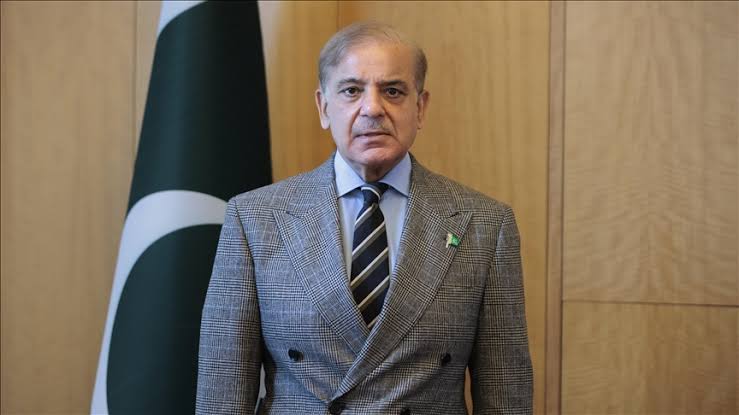
ISLAMABAD: Pakistan’s prime minister said Friday that the United States and Iran have agreed on the wording of a draft agreement aimed at ending the ongoing conflict in the Middle East, with mediators working to finalize the deal.
Prime Minister Shehbaz Sharif said both sides had reached a “final, agreed upon text,” adding that Islamabad, which he said is playing a leading mediation role, is coordinating next steps between the two parties. “Peace has never been this close as it is now,” he wrote in a post on X.
The reported breakthrough follows a brief but intense escalation this week, during which Iran exchanged fire with the United States and Israel over a three-day period, raising fears of a wider regional war. Despite the tensions, diplomatic efforts appear to have gained momentum in recent days.
Abbas Araghchi also said on Friday that an agreement “has never been closer,” while U.S. President Donald Trump amplified the Iranian foreign minister’s comments on social media, signaling cautious optimism from both sides.
According to Iranian state media, Araghchi said negotiations were moving toward an initial agreement that would declare an end to hostilities “on all fronts, including Lebanon,” where cross-border clashes between Israel and Hezbollah have intensified since March.
The conflict, which erupted following U.S. and Israeli military actions in February, has severely disrupted energy flows from the Persian Gulf and heightened regional instability. A fragile ceasefire has reportedly held since early April, although intermittent hostilities continue.
Iran has also indicated that nuclear-related issues would be addressed in a 60-day follow-up phase after any initial agreement is signed. Tehran maintains its nuclear program is peaceful, while Washington and its allies have long expressed concern over potential weaponization.
A senior U.S. administration official, speaking anonymously, said the emerging framework would include steps to “destroy or remove” Iran’s highly enriched uranium, with technical arrangements to be finalized during the post-agreement period. The logistics of handling the material—believed to be stored at heavily fortified nuclear sites—remain unresolved.
The proposed deal, if finalized, would mark one of the most significant diplomatic breakthroughs in recent Middle East tensions, though key operational and security details are still under negotiation.