 11
11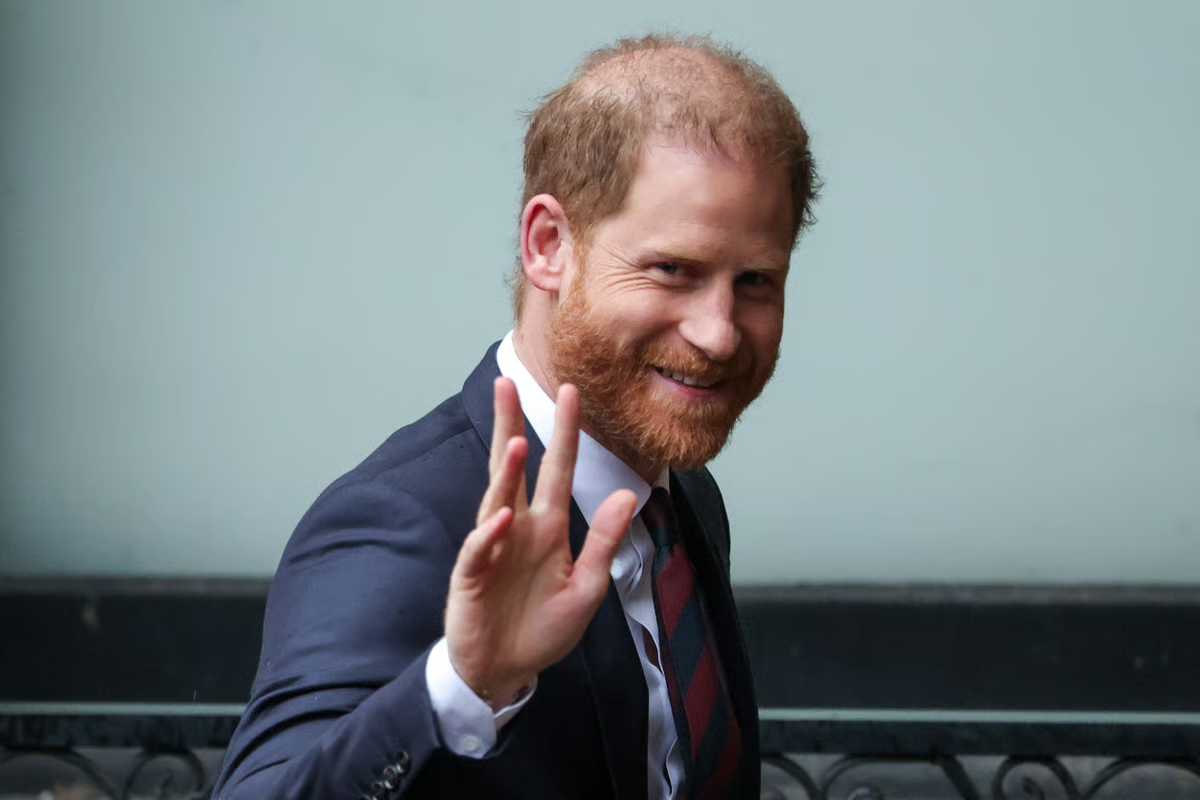
LONDON: The long-running privacy lawsuit brought by Prince Harry against the publisher of the Daily Mail has reached its final stage, with a judgment from London’s High Court expected on Tuesday following an extensive trial spanning more than 10 weeks.
Prince Harry, alongside six other high-profile claimants—including singer Elton John, filmmaker David Furnish, actress Elizabeth Hurley, actress Sadie Frost, campaigner Doreen Lawrence and former politician Simon Hughes—has accused Associated Newspapers Ltd. (ANL), publisher of the Daily Mail, Mail on Sunday and MailOnline, of engaging in unlawful information-gathering practices over several decades. The allegations include phone tapping, the interception of private communications, the use of private investigators and other intrusive methods to obtain personal information.
Associated Newspapers has firmly denied all allegations, describing the claims as “preposterous” and maintaining that the articles in question were sourced through legitimate journalistic methods and lawful contacts. The publisher has also argued that the legal claims were filed beyond the applicable time limits.
During the trial, Prince Harry testified that years of alleged media intrusion had left him feeling “paranoid” and had caused significant emotional distress, particularly affecting his family and his wife, Meghan, Duchess of Sussex. Former Daily Mail editor Paul Dacre also appeared as a witness, categorically denying any knowledge of unlawful practices or allegations of police bribery during his tenure.
The case is regarded as Prince Harry’s final major privacy lawsuit against British tabloid publishers and follows previous legal victories and settlements involving other newspaper groups over unlawful information gathering. The High Court’s ruling is expected to determine whether ANL can be held liable for the alleged privacy violations and whether the claimants are entitled to substantial damages.