 111
 2
 3
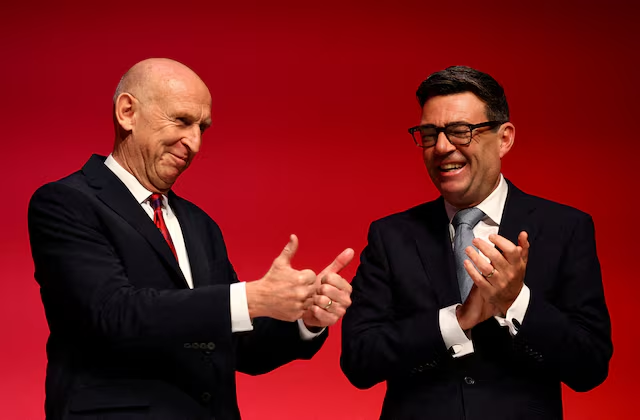
LONDON: British Prime Minister Andy Burnham said on Monday that Chancellor of the Exchequer John Healey will use Wednesday’s budget to set out how the government will fully fund its existing defence commitments, together with a roadmap for meeting the country’s NATO spending targets.
Speaking on ITV’s Good Morning Britain, Mr Burnham said the government’s first task was to ensure that the defence investment plan already announced is properly funded, describing a funded plan as essential before it can be put into effect. He said further details on how this had been achieved would be presented in the budget.
Asked whether the roadmap would include commitments to raise defence spending to 3 percent of gross domestic product by 2030 and to 3.5 percent by 2035, the Prime Minister confirmed that it would, adding that the government would explain what it considered the right way to reach those levels. He insisted that Britain would honour its NATO obligations and said national security sat at the top of the government’s priorities in a difficult international climate.
The announcement marks a shift from the government’s earlier position. Mr Healey had previously indicated that a timetable for higher defence spending would be published at next year’s spending review rather than in the budget, and recent reports had suggested the government was considering delaying the roadmap. Opposition politicians and senior military figures have pressed ministers to commit to a clear path to 3 percent by the end of the decade.
Under the commitments agreed by NATO members last year, allies pledged to spend 3.5 percent of GDP on core defence requirements by 2035, plus a further 1.5 percent on wider defence and security-related measures. The Office for Budget Responsibility has estimated that reaching the interim goal of 3 percent would require around 17.3 billion pounds in additional spending by 2029-30.
The defence question carries particular weight for the Chancellor. Mr Healey resigned as defence secretary under former Prime Minister Keir Starmer in a dispute over the pace and scale of military funding, having argued that Britain needed to reach 3 percent by 2030. He is also expected to address a shortfall of about 4.7 billion pounds in the defence investment plan, which promised 15 billion pounds in extra funding but committed only 10.3 billion.
Mr Healey will deliver his first budget to the House of Commons on Wednesday, 28 October, against a backdrop of stretched public finances and market turbulence linked to the war with Iran.