 11
11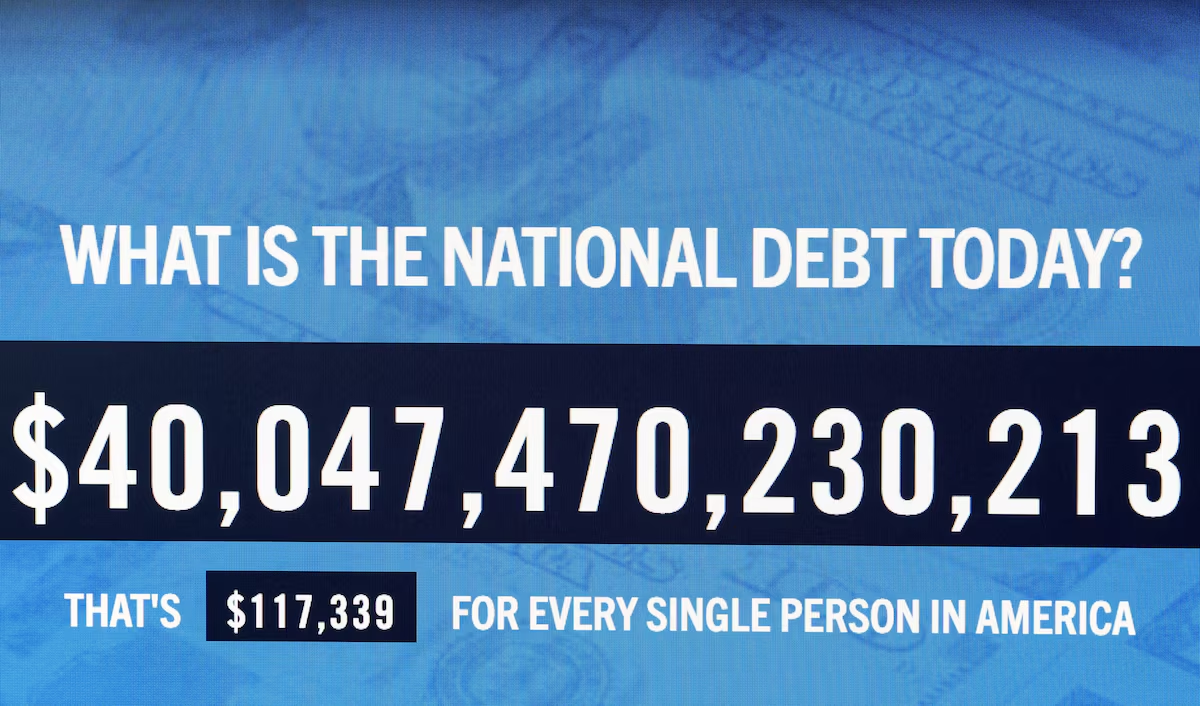
WASHINGTON: The United States’ national debt has surpassed the $40 trillion mark for the first time, according to the U.S. Treasury Department, highlighting mounting concerns over the country’s fiscal position as government borrowing continues to accelerate.
The total debt reached approximately $40.047 trillion, comprising about $32.266 trillion in debt held by the public and $7.782 trillion in intragovernmental holdings, Reuters reported. The debt has more than doubled since former President Donald Trump took office in 2017, when it stood at about $19.95 trillion.
The rapid increase has been driven by a combination of factors, including extensive government spending during the COVID-19 pandemic under both Trump and President Joe Biden, persistent federal budget deficits, tax policies and rising costs associated with major entitlement programs.
Fiscal watchdogs have warned that the trajectory could constrain Washington’s ability to respond to future economic emergencies. Rising interest costs are also placing increasing pressure on the federal budget, with interest payments now exceeding Medicare spending and ranking as the second-largest federal budget expense after Social Security.
The latest figures come amid heightened pressure in U.S. bond markets. Long-term Treasury yields recently climbed to multi-year highs as investors assessed inflation risks, elevated government borrowing and the sustainability of federal finances. The 30-year Treasury yield reached about 5.34% on Tuesday, its highest level since 2007, before retreating after the Treasury announced plans to increase its purchases of longer-dated bonds.
The fiscal outlook could face additional pressure from recent legislation. Reuters reported that President Trump’s major spending and tax legislation, known as the “One Big Beautiful Bill Act,” is projected to add roughly $4.7 trillion to the national debt over the coming years.
The increase in borrowing is also occurring as demand from some foreign investors for U.S. government securities shows signs of weakening. Higher long-term yields could raise borrowing costs not only for the federal government but also for households and businesses through their impact on mortgage rates and other forms of credit.
The crossing of the $40 trillion threshold has therefore renewed debate in Washington over spending, taxation and the long-term sustainability of U.S. public finances, as policymakers confront the growing cost of servicing the nation’s debt.