 11
11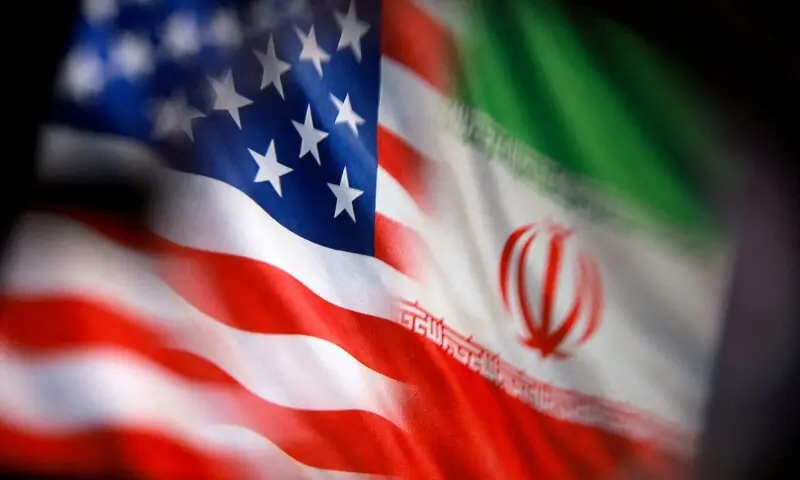
The latest escalation between the United States and Iran marks a dangerous turning point in one of the Middle East’s most volatile rivalries. What once appeared to be a cycle of calibrated retaliation has increasingly evolved into a confrontation in which both sides are crossing long-standing strategic “red lines,” raising fears of a broader regional conflict with global economic consequences.
The immediate trigger for the renewed hostilities was a series of attacks linked to the Strait of Hormuz, one of the world’s most strategically important maritime chokepoints. As tensions intensified, military actions expanded beyond isolated strikes, with both Washington and Tehran targeting assets that carry significant political, military, and economic value. The collapse of previous understandings aimed at preventing escalation has further reduced the space for diplomacy.
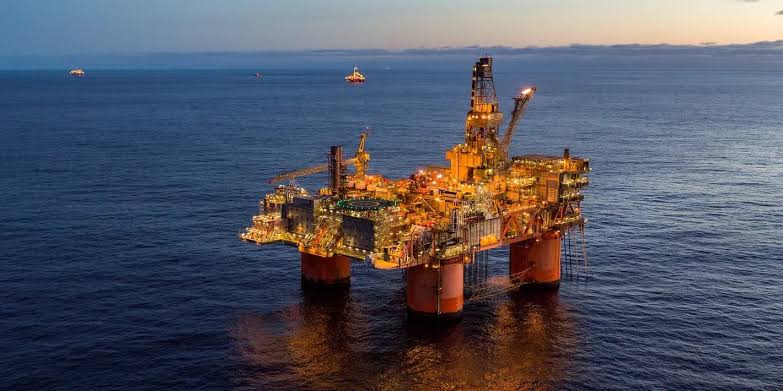
The Strait of Hormuz remains the center of the current crisis. Roughly one-fifth of the world’s traded oil and a significant share of liquefied natural gas normally transit through this narrow waterway, making it indispensable to global energy security. Any disruption immediately affects shipping costs, insurance premiums, and international energy markets.
For Iran, the strait represents one of its strongest strategic leverage points. For the United States and its allies, maintaining freedom of navigation through the waterway remains a core security objective. This fundamental clash of interests makes compromise particularly difficult.
Historically, both Washington and Tehran attempted to avoid actions that could trigger an uncontrollable regional war. Recent developments suggest those informal restraints are weakening.
Military operations have reportedly expanded beyond conventional military installations to include infrastructure with broader economic and civilian implications, while retaliatory attacks have spread across multiple Gulf states hosting U.S. military facilities. Such actions increase the likelihood of miscalculation and make de-escalation significantly more challenging.
The Gulf states now face growing security concerns despite efforts to avoid direct involvement. Countries hosting American military assets could become increasingly exposed to retaliatory attacks, while maritime trade routes remain vulnerable to disruption.
This situation places regional governments in a delicate position. They seek to preserve strategic partnerships with Washington while avoiding becoming direct participants in an expanding conflict. The resulting uncertainty complicates diplomatic mediation efforts across the Gulf.
Beyond the battlefield, the crisis threatens the international economy. Even temporary disruptions to shipping through the Strait of Hormuz can trigger increases in global oil prices, transportation costs, and inflationary pressures.
Energy-importing countries, particularly across Asia and Europe, remain especially vulnerable to prolonged instability. Financial markets are also likely to react sharply if military operations further threaten commercial shipping or regional energy infrastructure.
Although both sides continue to emphasize their respective strategic objectives, the space for meaningful diplomatic engagement appears increasingly narrow. Each new military exchange creates additional political pressures that make compromise more difficult while raising expectations of further retaliation.
The challenge for international mediators will be to establish mechanisms capable of preventing unintended escalation before the conflict expands beyond bilateral confrontation into a broader regional war.
The current crisis demonstrates how rapidly localized military incidents can evolve into wider geopolitical confrontations. As both Washington and Tehran continue testing each other’s strategic limits, the risk of accidental escalation continues to grow.
Whether the coming weeks produce renewed diplomatic engagement or deeper military confrontation will depend largely on the willingness of both sides to restore communication channels and re-establish limits that prevent further escalation. Until then, the Strait of Hormuz will remain not only a vital energy corridor but also one of the world’s most dangerous geopolitical flashpoints.