 11
11
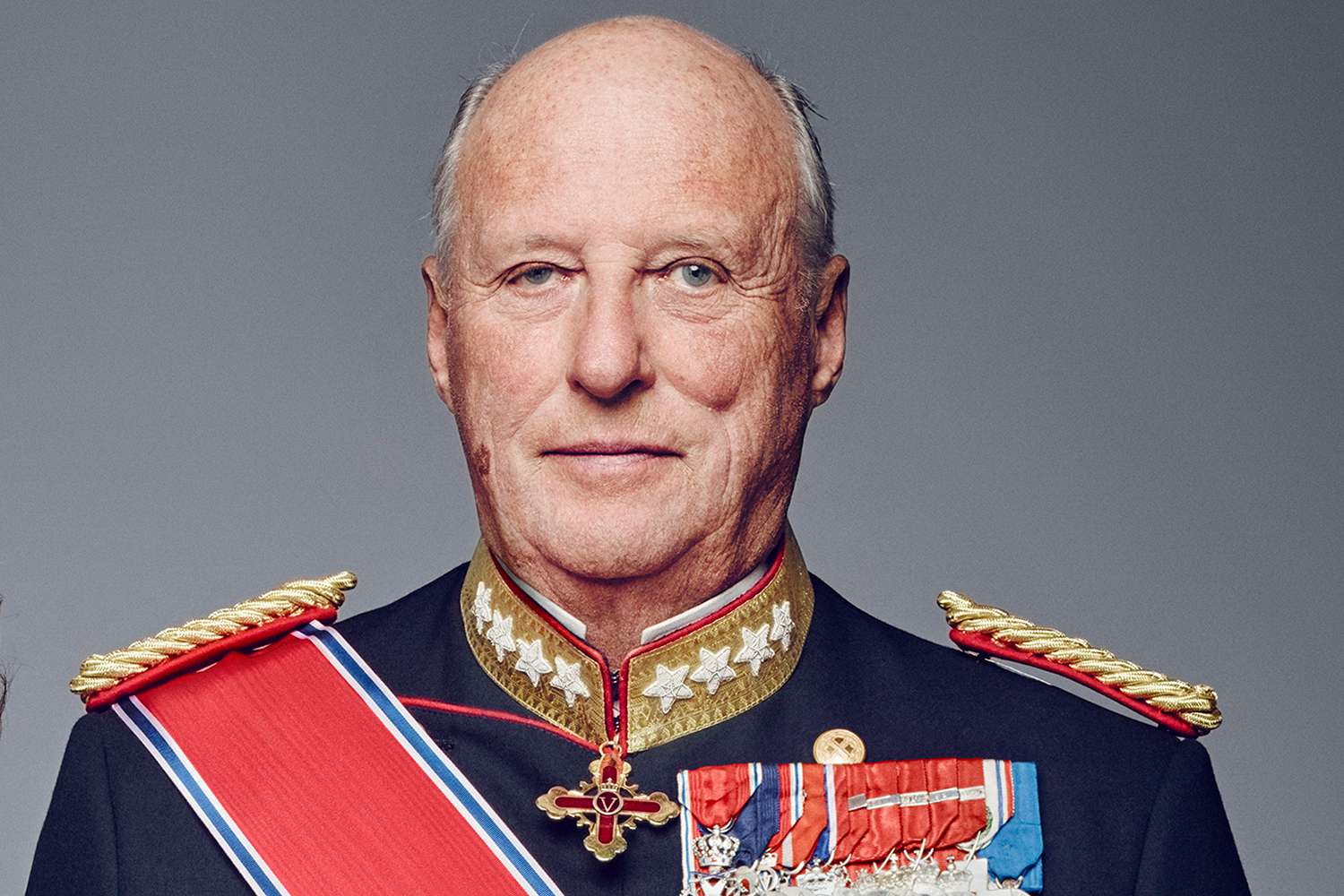
Norway has bid farewell to King Harald V in a state funeral that brought together thousands of citizens, foreign monarchs and international leaders, marking the end of a 35-year reign and the beginning of a new chapter under his son, King Haakon VIII.
King Harald, who died on August 28 at the age of 89, was remembered not only as Norway’s longest-serving contemporary monarch but also as a figure whose personal style helped strengthen the connection between the royal institution and ordinary Norwegians. His funeral reflected the breadth of that public affection, with large crowds gathering in Oslo and more than 46,000 people having visited his coffin while he lay in state.
The ceremony also carried considerable constitutional and symbolic significance. A 21-gun salute accompanied the procession from the Royal Palace to Oslo Cathedral, while Norway observed a nationwide minute of silence. The presence of monarchs from Sweden, Denmark, Spain, the Netherlands, Belgium, Luxembourg, Monaco and Jordan, alongside other international leaders, demonstrated the importance of Norway’s monarchy within Europe’s wider royal and diplomatic network.
Harald’s greatest institutional legacy may have been his ability to make a centuries-old monarchy appear accessible in a modern democratic society. He was frequently portrayed as a monarch comfortable meeting citizens without excessive ceremony, an approach that helped reinforce the monarchy’s public legitimacy.
That connection became particularly visible after his death. The long queues at the Royal Palace and the large crowds lining Oslo’s streets suggest that the institution retains a significant emotional place in Norwegian society despite the limited constitutional powers of the crown.
The funeral also served as an important public introduction to a new phase of Norwegian royal leadership. Haakon immediately succeeded his father following Harald’s death and has already taken an oath of allegiance to Norway’s constitution in parliament.
For the new king, the challenge will be to preserve the qualities that made his father popular while adapting the monarchy to changing expectations. Harald demonstrated that tradition and informality could coexist. Haakon will now have to determine how that balance can be maintained in an increasingly transparent and politically conscious society.
Unlike countries where monarchies have recently faced major debates over succession or abdication, Norway’s transition has been relatively orderly. Harald remained on the throne until his death, despite being Europe’s oldest reigning monarch, and the succession immediately passed to his son.
The Norwegian monarchy remains primarily symbolic, with political authority residing in the elected government and parliament. Its influence instead comes through national representation, diplomacy, cultural engagement and the ability to serve as a unifying institution.
The funeral demonstrated that the monarchy continues to possess an unusual capacity to bring together different sections of Norwegian society. Political leaders, foreign dignitaries, members of the royal family and ordinary citizens participated in the same national moment of remembrance.
This is particularly significant for a constitutional monarchy whose survival depends less on political authority than on public confidence and relevance. The scale of the response to Harald’s death indicates that his personal popularity had become closely associated with the institution he represented.
Harald’s funeral also highlighted the interconnected nature of Europe’s royal families. Norway’s royal house has longstanding family links with several European monarchies, including the British and Spanish royal families. The attendance of numerous foreign royals underlined these historical relationships while also reflecting the diplomatic role performed by modern European monarchies.
The presence of Ukrainian President Volodymyr Zelenskyy and political leaders from more than 20 countries further demonstrated that the occasion extended beyond a purely ceremonial royal gathering.
King Harald leaves behind a monarchy that appears institutionally stable and strongly connected to the Norwegian public. His successor inherits both that advantage and the responsibility of maintaining it.
The central test for Haakon will be whether he can preserve the trust established during his father’s reign while giving the monarchy a distinct identity for a new generation. Norway’s experience suggests that the future of constitutional monarchy may depend less on traditional grandeur and more on accessibility, public service and the ability to remain relevant within a modern democratic state.
Harald’s funeral was therefore not simply a farewell to a long-serving king. It was also a demonstration of the continuing place of the monarchy in Norwegian national life—and the first major public moment of the reign of King Haakon VIII.