 11
11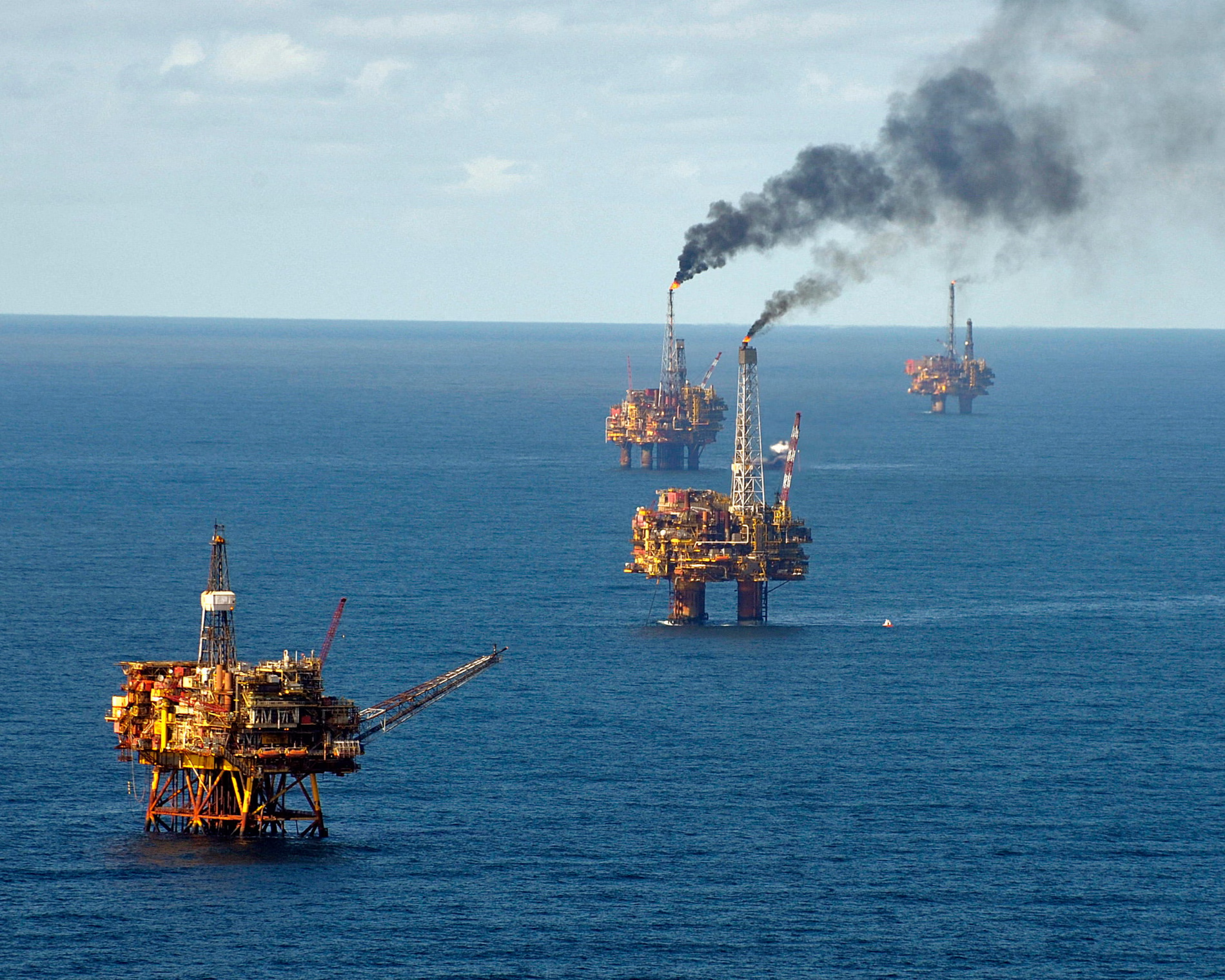
LONDON: Development of the United Kingdom’s largest undeveloped North Sea oilfield, Rosebank, has been delayed after critical drilling equipment was accidentally dropped into the sea during offshore operations, potentially pushing first oil production into 2027, according to a report by The Guardian.
The incident occurred on April 18 when two essential pieces of drilling equipment, including a key safety valve, fell approximately 1,100 metres to the seabed. Although no injuries were reported, the offshore drilling rig was taken to Bergen, Norway, for repairs before returning to the Rosebank field, where it has yet to resume operations. The disruption is expected to delay the completion of several oil wells by up to four months.
Rosebank, located around 80 miles northwest of the Shetland Islands, had been expected to begin producing oil before the end of 2026. However, project operator Adura now anticipates production will commence sometime in 2027, pending final government approval. Industry estimates suggest the field could produce approximately 300 million barrels of oil over a 25-year lifespan.
The delay comes as the UK government weighs a politically sensitive decision on the future of Rosebank and the nearby Jackdaw gasfield. Energy Secretary Miatta Fahnbulleh is expected to make a determination after an emissions consultation concludes in August, balancing calls for greater domestic energy production against the government’s climate commitments.
Supporters of the project argue that expanding domestic oil and gas production would strengthen the UK’s energy security and reduce reliance on imported fuels. However, environmental groups and several Labour lawmakers contend that Rosebank would provide limited economic benefits while increasing greenhouse gas emissions and undermining Britain’s net-zero objectives.
Environmental organizations are also considering further legal action should the government approve the project, arguing that additional assessments are needed to fully evaluate the potential impacts on marine ecosystems, climate targets, and public health. The Rosebank project has become a focal point in the UK’s broader debate over balancing energy security with the transition to cleaner sources of energy.