 11
11
COPENHAGEN: Denmark’s Social Democratic leader Mette Frederiksen has announced the formation of a new centre-left coalition government, securing a third consecutive term as prime minister following months of post-election negotiations and political uncertainty.
Frederiksen said on Monday that she had reached an agreement to form a minority cabinet after extensive talks with parliamentary parties, following the March general election in which 12 parties entered the Folketing. The result left no single bloc with a clear majority, despite the Social Democrats remaining the largest party with 38 seats.
The new governing alliance includes the Social Democrats alongside the Social Liberals, the Left Greens, and the centrist Moderates. The coalition will rely on support from smaller parties, including the far-left Red-Green Alliance, to pass legislation in parliament.
Speaking after meeting King Frederik X of Denmark, Frederiksen confirmed that a government had been formed following prolonged negotiations. She described the new platform as being focused on “the people who are in Denmark and for the generations to come,” highlighting issues ranging from social welfare to animal protection.
The March 24 election saw Frederiksen’s party lose its parliamentary majority amid voter concerns over the cost of living, although it retained its position as the largest party in the legislature. The Social Democrats dropped from 50 to 38 seats, reflecting a more fragmented political landscape.
The new coalition ends a prolonged period of political deadlock, during which both the centre-left and centre-right blocs sought to lead the government. The agreement ensures Frederiksen remains in office, extending her tenure as prime minister.
Key policy priorities are expected to be presented on Tuesday, with ministerial appointments scheduled for Wednesday. Early government focus is expected to include economic pressures linked to inflation and household costs, as well as defence and foreign policy concerns.
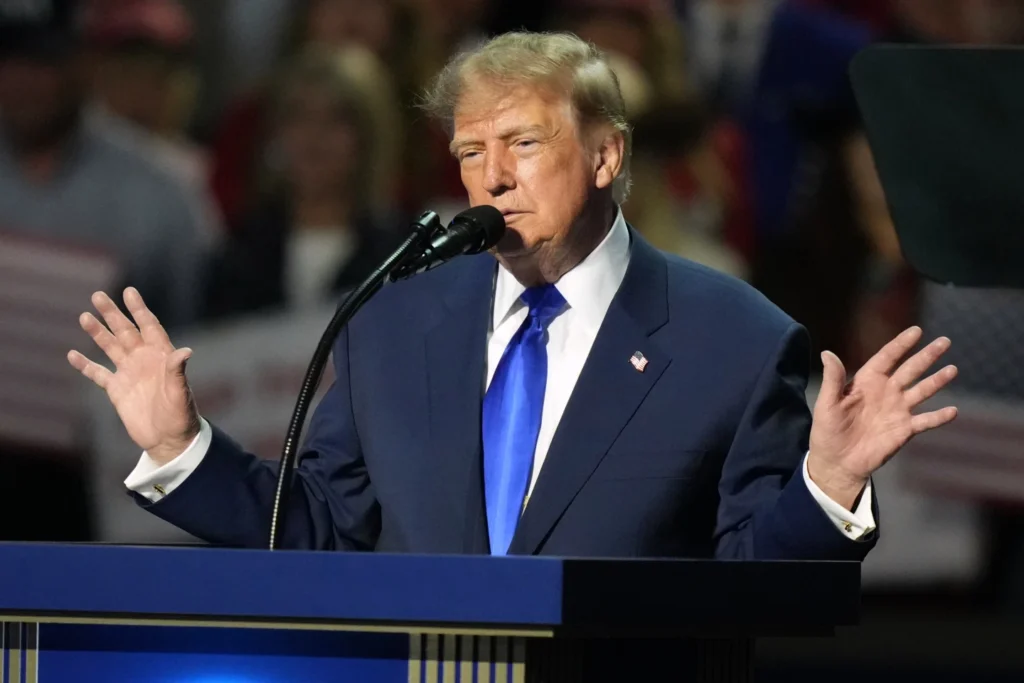
Among the most pressing international issues is the government’s response to tensions with U.S. President Donald Trump over Greenland, alongside growing security concerns in Europe due to Russia’s ongoing war in Ukraine.
The coalition’s legislative strategy will depend on flexible parliamentary alliances, with the government expected to seek cross-party support on individual policy measures as it navigates a highly fragmented parliament.