 11
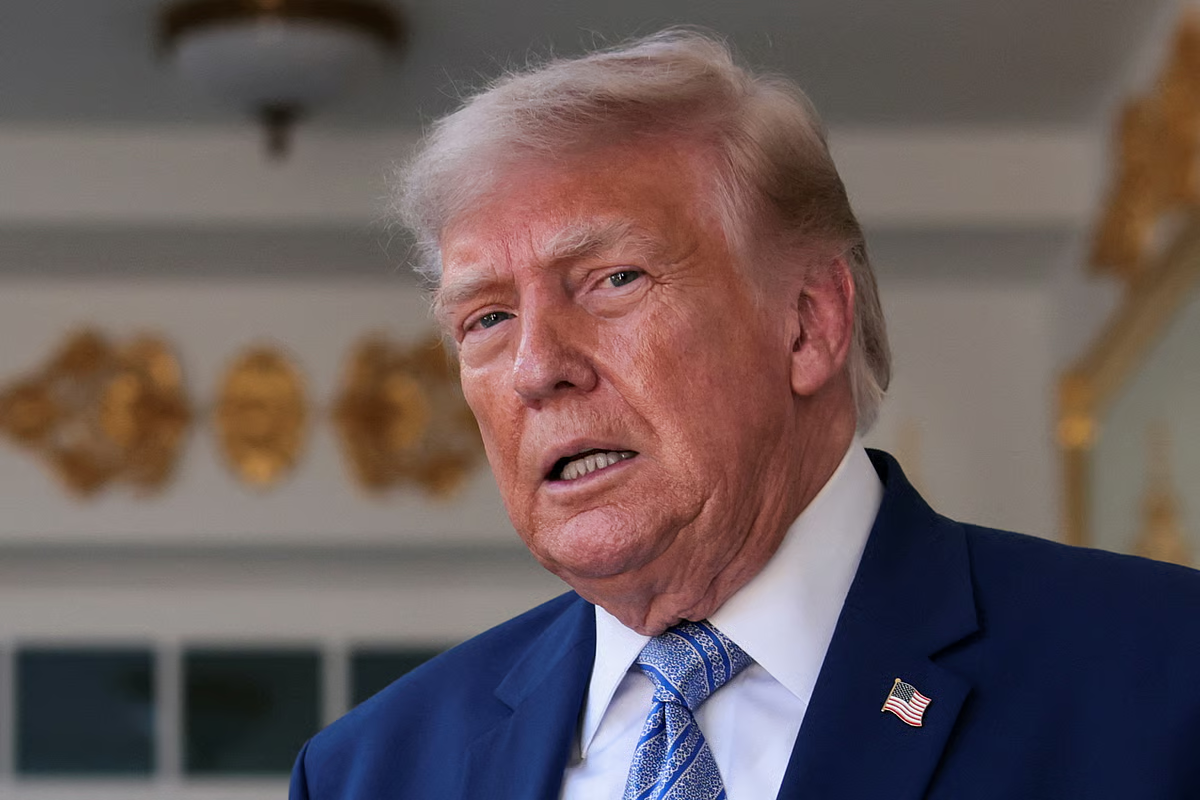
WASHINGTON: U.S. President Donald Trump has instructed the Pentagon to substantially reduce joint military exercises with South Korea, citing the high cost of the drills and Seoul’s refusal to participate in U.S. actions against Iran.
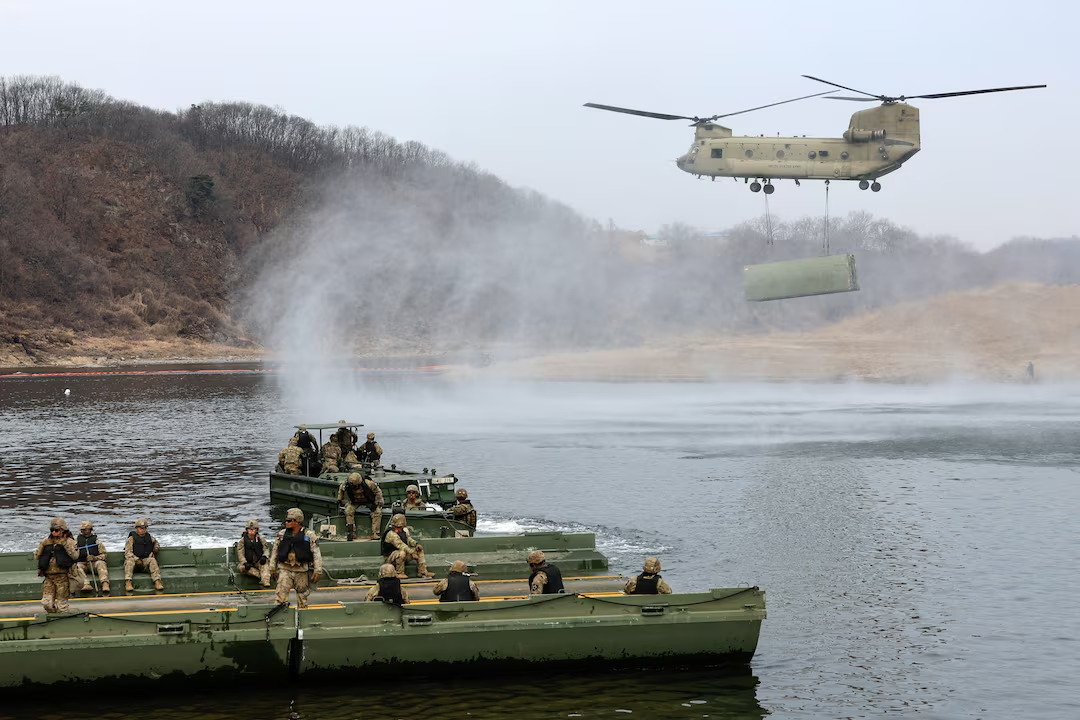
Trump made the announcement shortly before the annual Ulchi Freedom Shield exercises were due to begin. The drills, scheduled to run for 10 days, involve approximately 18,000 South Korean troops and are designed to strengthen the allies’ readiness to respond to potential threats from North Korea.
In a social media post, Trump said he had directed Defense Secretary Pete Hegseth to reduce the scale of the exercises, describing them as costly and arguing that they send an inappropriate and hostile signal to North Korea. He also referred to his relationship with North Korean leader Kim Jong Un, saying he has a good relationship with Pyongyang’s leader.
Trump additionally expressed frustration with South Korea’s decision not to support U.S. efforts related to the denuclearization of Iran. The move adds a new dimension to Washington-Seoul relations, as the two countries have long relied on joint military exercises to maintain operational readiness and strengthen deterrence against North Korean military threats.
Despite Trump’s directive, South Korea proceeded with the exercises as scheduled. The drills have increasingly incorporated computer simulations and other forms of training in recent years, alongside field-based activities, reflecting efforts to prepare for evolving threats including cyberattacks, drone operations and disruptions to GPS systems.
The decision comes amid continuing tensions on the Korean Peninsula. North Korea has repeatedly condemned U.S.-South Korean military exercises as provocations, while Pyongyang has continued to advance its missile and military capabilities. Analysts say the reduction in exercises could reflect Trump’s broader effort to reopen diplomatic engagement with North Korea, but it could also raise concerns about the future of U.S. military readiness and alliance commitments in the region.