 11

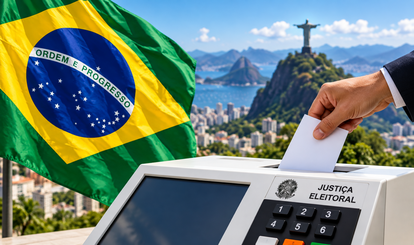
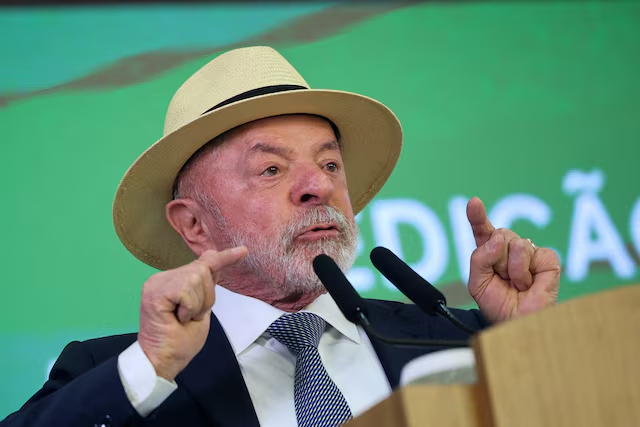
São Paulo: Brazilian President Luiz Inácio Lula da Silva has been re-elected to an unprecedented fourth term after Sunday’s presidential runoff, but his defeated opponent, right-wing Senator Flávio Bolsonaro, has declined to accept the outcome and announced that he will seek to have the election annulled through the courts.
Bolsonaro, the Liberal Party (PL) candidate and son of imprisoned former President Jair Bolsonaro, finished more than four million votes behind Lula. Addressing the media in Brasília after the result was declared, he said, “It is impossible to recognize the election results,” and pointed to the circumstances surrounding a late-evening judicial decision as the basis for his challenge.
At the center of the dispute is a ruling by Supreme Federal Court Justice Cristiano Zanin, a Lula appointee, that extended voting by two hours in response to alleged irregularities in voter transport. Bolsonaro’s camp argues that the measure was applied unevenly and compromised equal conditions for voters. Political analysts, however, consider it unlikely that an annulment bid will succeed given the size of Lula’s margin.
The senator’s stance has drawn immediate comparisons with the aftermath of the 2022 election, when his father also refused to recognize defeat and the country entered a serious democratic crisis that culminated in supporters storming government buildings in Brasília. Observers caution that the latest refusal to concede could trigger fresh protests at a time when public confidence in the electoral system and the judiciary remains fragile.
Lula’s victory came against considerable odds. He had trailed Bolsonaro in the first round but succeeded in mobilizing voters for the runoff, overturning poll expectations and resisting both a global anti-incumbent mood and a recent run of right-wing electoral successes across Latin America. Many of his supporters credited the social gains of his earlier terms and expressed concern that a Bolsonaro government could roll back social rights.
In his victory remarks at a hotel in São Paulo late on Sunday, Lula adopted a conciliatory tone, saying that while no citizen is obliged to like the elected president, the president is put in place to govern for everyone.
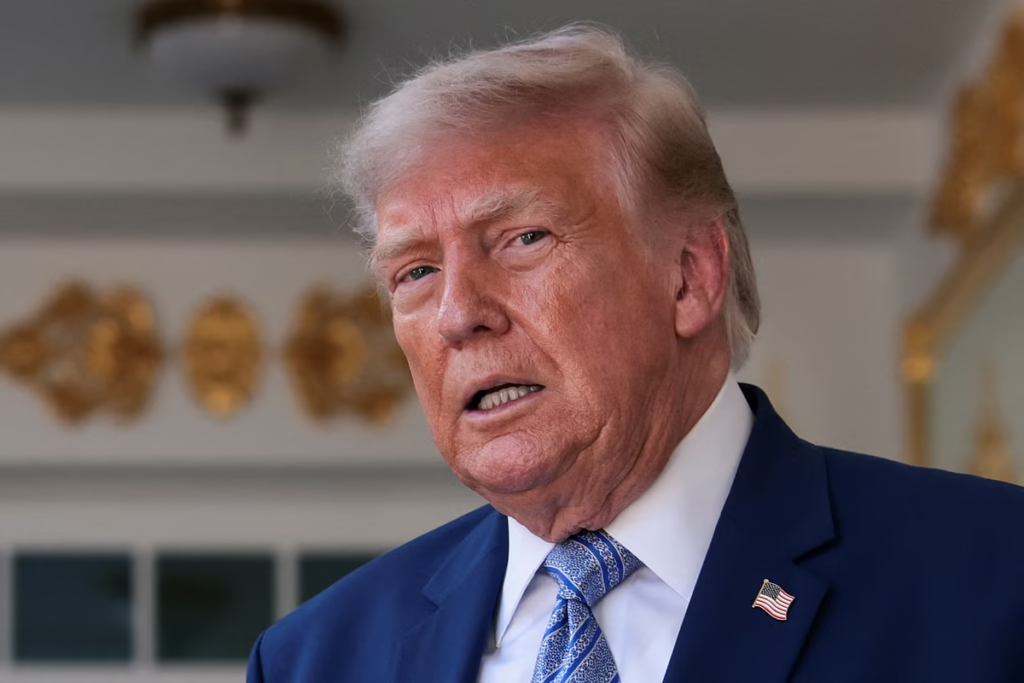
The result also carries international implications. Relations between Brasília and Washington have been strained by US tariffs on Brazil and by pressure from the Trump administration over the prosecution of Jair Bolsonaro. During the campaign, Lula accused the Bolsonaro family of aligning with US interests at Brazil’s expense, a charge Flávio Bolsonaro rejected while criticizing Lula’s foreign policy.
Financial markets reacted nervously to the outcome. An exchange-traded fund listed in Tokyo that tracks Brazil’s Bovespa index fell by nearly 15 percent in Asian trading, and analysts anticipate pressure on the Brazilian real against the US dollar.
Looking ahead, Lula faces a challenging governing environment, as a strong right-wing showing in the legislative vote has left Congress dominated by Bolsonaro allies, setting the stage for difficult negotiations over his fourth-term agenda.