 11
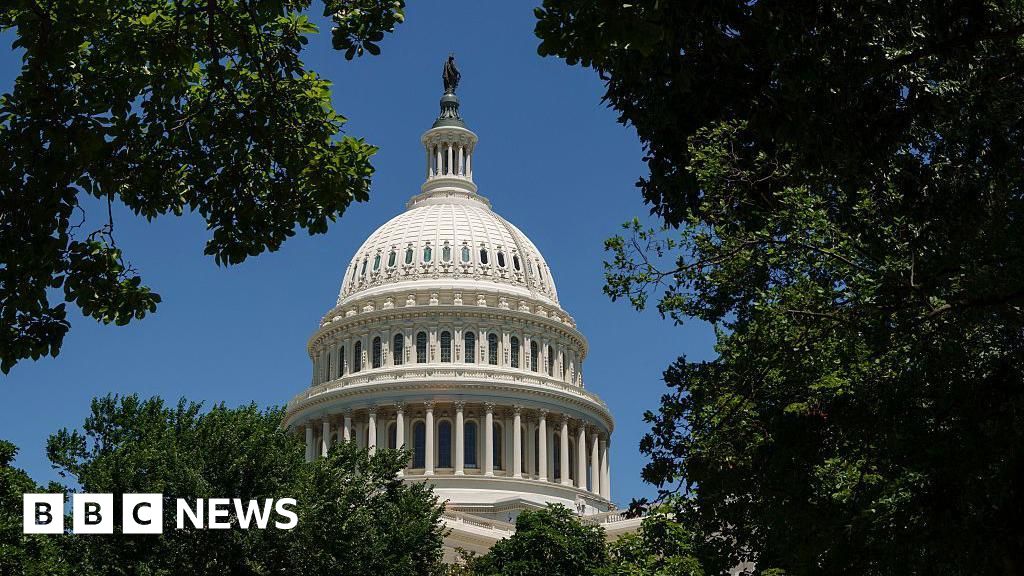
The U.S. House of Representatives has passed a war powers resolution aimed at halting ongoing U.S. military operations involving Iran, marking a significant moment in the long-running constitutional struggle between Congress and the presidency over war-making authority. The vote reflects growing political, legal, and public tensions surrounding the scope of executive military power, particularly under President Donald Trump’s administration.
On June 3, 2026, the House approved the resolution by a narrow 215–208 vote, with four Republicans joining Democrats, signaling a rare bipartisan break with the White House. The measure would require either congressional authorization for continued military action against Iran or the withdrawal of U.S. forces. While largely symbolic without Senate approval, it represents the strongest legislative push yet to constrain the administration’s war authority.
The vote follows several earlier failed attempts, making this the first successful passage in the House during the ongoing conflict.
The resolution emerges from a broader and highly contested military campaign involving the United States and Israel against Iran, which began earlier in 2026. The conflict has included sustained strikes, regional escalation risks, and political backlash domestically due to economic impacts such as rising fuel prices and trade disruptions.
Public and congressional concern has intensified as the war has extended beyond initial expectations and entered its third month, raising questions about whether the executive branch exceeded its constitutional authority.
At the center of the dispute is the War Powers Resolution of 1973, which requires the president to consult Congress before introducing armed forces into hostilities and to withdraw forces after a set period without authorization.
Supporters of the resolution argue that:
Opponents, including administration officials, argue that:
Legal scholars remain divided, with some asserting that the scale and duration of the conflict more closely resemble a “war” requiring congressional authorization, while others argue prior precedents allow limited military action without formal declarations.
The vote highlights a notable shift within Congress:
This bipartisan split signals emerging divisions within the governing coalition over foreign policy and war powers authority, particularly as economic concerns tied to the conflict influence domestic politics.
The resolution also reflects increasing international and diplomatic complexity:
Despite a fragile ceasefire effort and diplomatic engagement attempts, hostilities remain unresolved, increasing pressure on both Congress and the executive branch to define a clearer legal and strategic framework.
While the resolution is unlikely to immediately alter military operations without Senate approval or presidential consent, it carries significant implications:
The House war powers vote represents more than a procedural milestone—it underscores a renewed constitutional confrontation over who controls U.S. military engagement in prolonged overseas conflicts. As the Iran war continues to evolve, the resolution highlights deepening institutional tensions, shifting party dynamics, and the ongoing struggle to balance executive flexibility with legislative oversight in matters of war and peace.