 11
11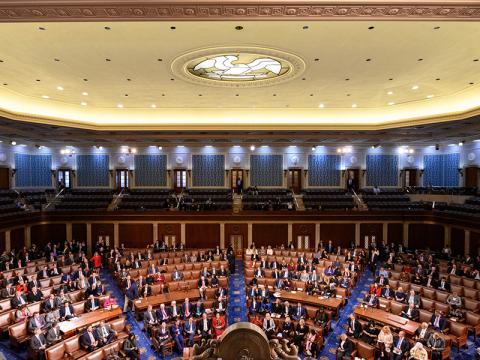
Washington: The U.S. House of Representatives has narrowly approved a war powers resolution aimed at ending American military operations against Iran, marking the first time lawmakers have successfully passed such a measure since the conflict began, and signaling growing political opposition to the war.
The resolution passed Wednesday by a vote of 215–208, with a small group of Republicans joining Democrats in a rare bipartisan rebuke of President Donald Trump’s war strategy. The move comes amid escalating tensions and continued military exchanges in a conflict that has now lasted three months and reshaped both domestic and international politics.
House Speaker Mike Johnson had previously attempted to delay consideration of the measure, temporarily halting floor proceedings when its passage appeared likely. Despite those efforts, support for the resolution grew as concerns mounted over the economic and geopolitical consequences of the ongoing war.
Leading the effort, Representative Gregory Meeks, the top Democrat on the House Foreign Affairs Committee, said lawmakers were responding to growing public frustration over the conflict’s impact.
“Enough is enough,” Meeks said. “It is time for the president to do the right thing.”
He also pointed to rising domestic costs, including increased fuel and grocery prices, which lawmakers say are linked to instability following the conflict.
The fighting began after U.S. forces joined Israeli operations against Iran on February 28, triggering broader regional instability. Iran has since disrupted maritime traffic through the Strait of Hormuz, a critical global shipping route for oil and natural gas.
Although a fragile ceasefire was declared in April, both sides have continued intermittent strikes, while negotiations toward a more lasting peace have stalled amid escalating tensions involving Iran-backed groups in the region.
While the House vote represents a significant political development, the resolution faces uncertain prospects in the Senate and is widely expected to be rejected by the White House, which argues that the president retains broad commander-in-chief authority.
The vote underscores growing unease in Congress over the direction of the conflict, even as the administration insists it remains focused on securing regional stability and reopening critical trade routes such as the Strait of Hormuz.