 11

Europe has spent considerable political energy dealing with the uncertainties created by US President Donald Trump, from questions over NATO and trade to Washington’s approach to Ukraine and broader transatlantic relations. Yet the challenges confronting the continent may increasingly come from elsewhere.
The relationship between Europe and the United States remains difficult, but it has also become more predictable in some respects. Washington and European capitals continue to disagree over tariffs, defence spending, technology regulation and support for Ukraine, but their economies and security interests remain deeply interconnected.
Russia and China present a different kind of challenge.
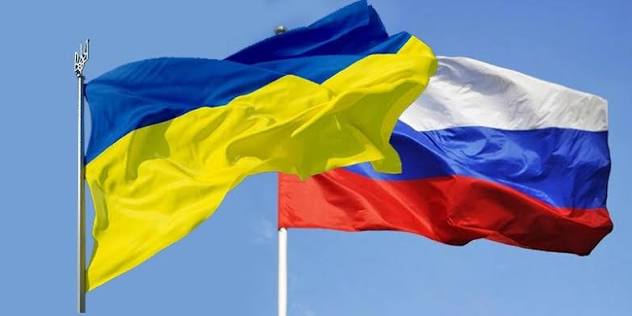
Russia’s war in Ukraine continues to place pressure on European security, while Moscow’s economic difficulties could create incentives for the Kremlin to intensify military and hybrid activities rather than seek compromise. Rising military expenditure, the costs of recruitment and growing pressure on Russia’s broader economy are increasing the stakes surrounding the conflict.
For Europe, the concern extends beyond the battlefield in Ukraine. Cyber operations, disinformation, political interference and other forms of hybrid activity could increasingly test the resilience of European countries and NATO members.
China represents another major challenge, particularly in the economic sphere. European governments have become increasingly concerned about Chinese industrial subsidies, excess manufacturing capacity and the competitiveness of European industries.
Brussels has responded by developing stronger economic-security measures, including trade-defence instruments, investment controls and restrictions intended to reduce strategic dependencies.
Beijing, however, views many of these measures as attempts to constrain China’s economic development. This creates the possibility of a cycle in which European restrictions lead to Chinese countermeasures, followed by additional European action.
A prolonged period of managed economic confrontation could therefore emerge without necessarily developing into a full-scale trade war.
Europe nevertheless possesses significant economic leverage. The European Union’s large and wealthy single market remains an important destination for Chinese exports. The effectiveness of that leverage, however, depends heavily on the ability of European governments to maintain a coordinated position.
That makes European political cohesion increasingly important.
France’s 2027 presidential election could become particularly significant in determining the direction of the European Union’s foreign, security and economic policies. Marine Le Pen and the National Rally remain major forces in French politics, while the fragmentation of the country’s political centre could shape the eventual contest.
A government in Paris seeking substantial changes to France’s approach toward Ukraine, Russia, China or the European Union could have consequences well beyond France’s borders.
The broader lesson for Europe is that external pressure cannot be addressed solely through reactions to decisions made in Washington, Moscow or Beijing. The continent’s ability to respond will also depend on its own political unity, economic resilience and willingness to coordinate on defence and foreign policy.
Trump’s policies will continue to matter greatly for Europe. But the strategic question facing European governments is broader: whether they can maintain sufficient cohesion to manage simultaneous pressure from the United States, Russia and China.
In the years ahead, Europe’s greatest challenge may therefore be less about choosing between external powers and more about developing the political capacity to protect its interests while maintaining unity at home.