 11
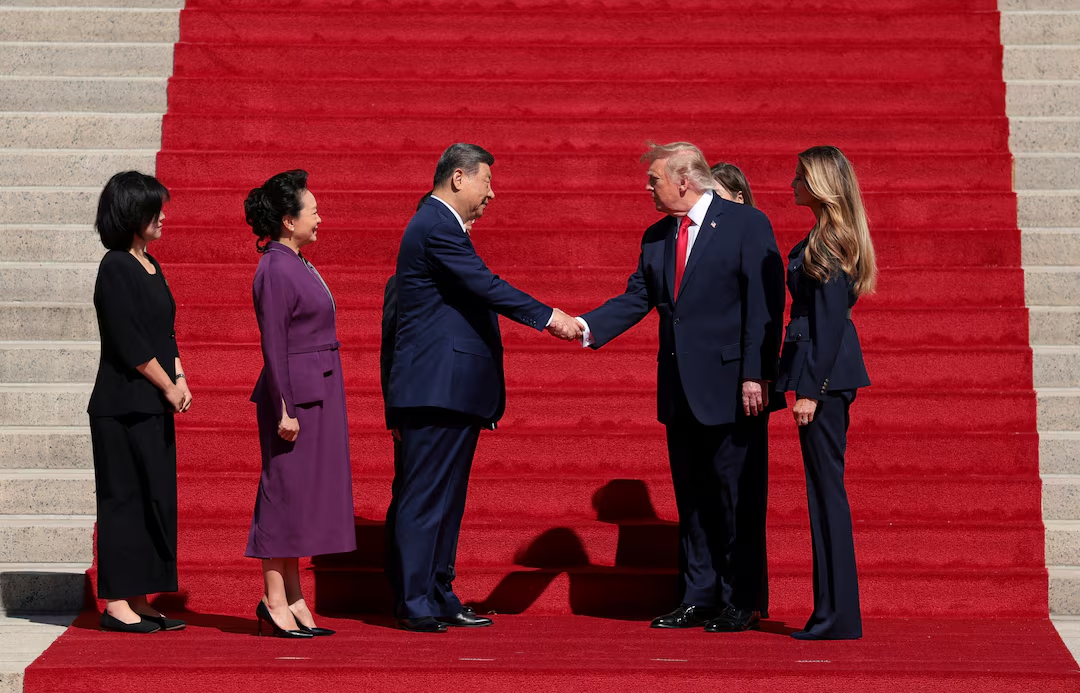
SHANGHAI: China and the United States have agreed on a reciprocal tariff-reduction arrangement covering $30 billion and on launching a dialogue on artificial intelligence, according to China’s Foreign Ministry, following Chinese President Xi Jinping’s visit to Washington.
The agreements form part of an eight-point consensus reached during Xi’s three-day visit to the United States and his meetings with US President Donald Trump. The two sides also agreed to establish a trade council and extend the outcomes of earlier economic talks held in Kuala Lumpur.
The latest understanding follows an earlier agreement by Washington and Beijing to extend their existing trade truce by two months beyond its November 10 expiration date, providing additional time for negotiations on a broader trade agreement.
On artificial intelligence, the two countries agreed to establish a dialogue addressing the risks and benefits associated with the rapidly developing technology. The next round of discussions is scheduled for November, while the two sides will also establish a communication channel for AI-related incidents.
The Chinese Foreign Ministry said the two countries would increase exchanges on AI as the technology develops and work toward greater understanding on emerging issues.
China and the United States also agreed to support each other in hosting major international gatherings, including the Asia-Pacific Economic Cooperation leaders’ meeting and the Group of 20 summit. Both Xi and Trump are expected to attend the respective gatherings hosted by the other country.
The leaders also discussed international issues. According to the Chinese Foreign Ministry, they agreed that Iran should uphold its commitment not to develop nuclear weapons and that no country or entity should impose transit tolls on international waterways.
Xi has since returned to Beijing following the three-day summit, which ended on Friday. The latest agreements mark a further step in ongoing efforts by the world’s two largest economies to manage trade and technology differences while maintaining bilateral dialogue.