 11
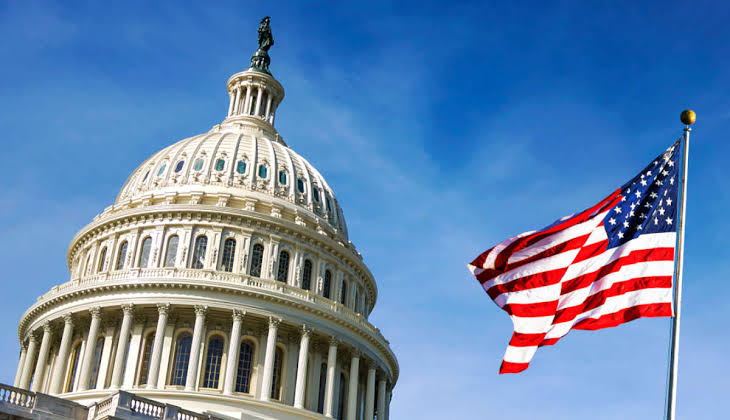
WASHINGTON: The US Senate has passed a bipartisan bill aimed at establishing nationwide rules for college sports, including regulations governing athlete payments for name, image and likeness (NIL) rights and transfers between universities.
The legislation was approved by a 77-22 vote on Monday, marking a major congressional effort to establish federal regulations for an increasingly changing college sports system. The bill would grant the NCAA new authority to enforce rules on athlete compensation and transfers, along with limited antitrust protections.
The measure follows a 2025 court settlement that allowed colleges to make direct payments to athletes. If enacted, the legislation would codify provisions of that settlement while introducing additional rules intended to establish greater consistency in college athletics.
Under the bill, schools could share up to $21.5 million in revenue with their athletes, while some institutions could provide an additional $27.5 million through a retention fund. The measure would also allow schools and conferences to pool television media rights.
The legislation would also place new restrictions on transfers. Athletes would generally be allowed one transfer without sitting out a season over a five-year period, subject to certain exceptions, while total eligibility would be limited to five years.
In addition, the bill contains provisions concerning coaching moves, conference realignment and the size of athletic conferences. It would restrict coaches from leaving schools during a season and prevent conferences from expanding beyond 20 programs.
The legislation includes measures intended to provide athletes with additional protections, including limits on agent fees, health insurance and scholarship guarantees. It would also require schools to maintain minimum numbers of sports and roster positions to protect women’s and Olympic sports.
Supporters say the legislation would reduce legal uncertainty and establish uniform national rules for college athletics. Critics, however, argue that it does not provide sufficient protections for athletes and leaves unresolved questions over whether college athletes should be classified as employees with collective bargaining rights.
The bill must still be considered by the US House of Representatives before it can become law. The House is not scheduled to return to Washington until after the November elections, leaving the legislation’s path forward uncertain.