 11

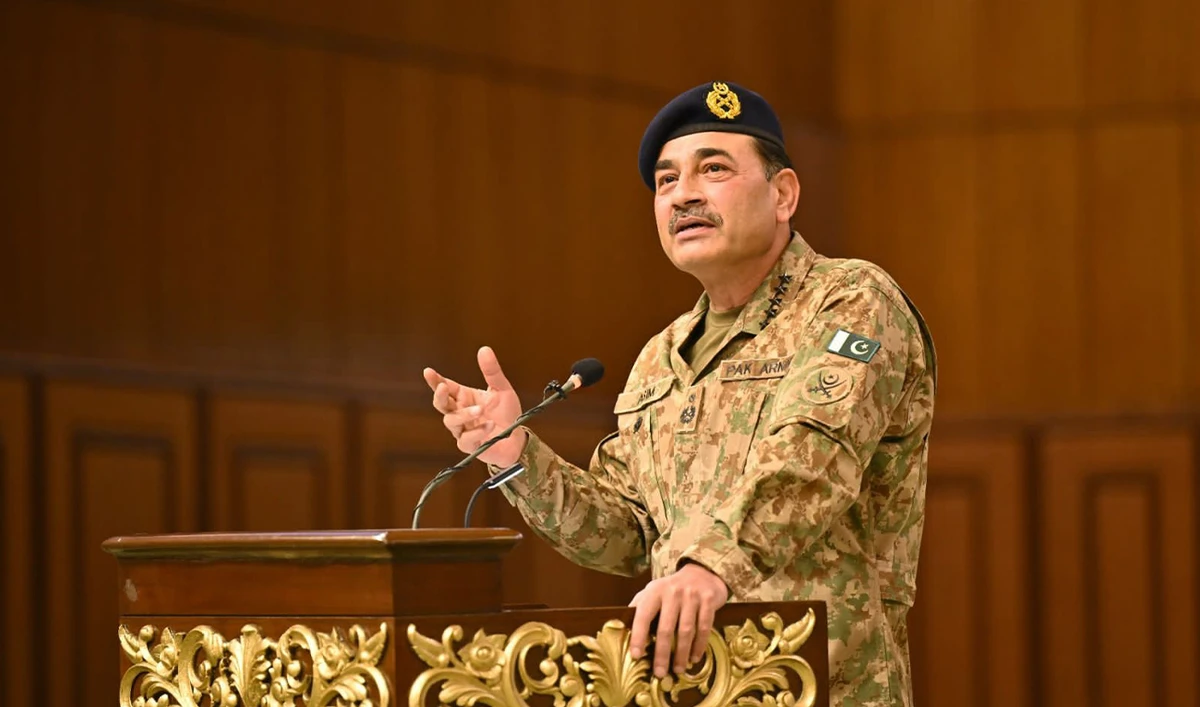
ISLAMABAD – Pakistan has agreed to rapidly deploy additional military forces to Saudi Arabia without putting the decision to a parliamentary vote. Analysts say the move reflects the growing role of the armed forces under Field Marshal Asim Munir in shaping the country’s foreign and defence policy.
The commitment follows the first invocation, on Monday, of a defence pact signed in August between Pakistan, Saudi Arabia and Turkey, as the kingdom faces escalating attacks from Yemen’s Iran-backed Houthi movement. The Houthis declared a ban on Saudi shipping in July and have since targeted tankers and oil installations.
Field Marshal Munir attended an emergency meeting in Riyadh with his Saudi and Turkish counterparts. After the meeting, the three countries condemned attempted attacks on the holy cities of Mecca and Medina. They pledged to provide the agreed military forces and capabilities and to ensure their swift deployment in accordance with each nation’s domestic legislation. No details were released on troop numbers, missions, command structures, costs or the duration of the deployment.
Pakistan’s Ministry of Information said the alliance had completed all required government procedures. It did not specify whether the federal cabinet or parliament had been consulted, and it described the details of the deployment as a matter of operational confidentiality. The ruling Pakistan Muslim League-Nawaz and its coalition partner, the Pakistan Peoples Party, did not respond to requests for comment.
The decision contrasts with events in 2015, when Saudi Arabia requested Pakistani troops, aircraft and naval vessels for its military campaign in Yemen. The government of the day referred that request to parliament, which unanimously resolved to remain neutral in the conflict while pledging to defend the kingdom’s territorial integrity and the holy sites.
Observers note that the military has long held decisive influence over defence and foreign affairs in Pakistan, even under elected governments. Field Marshal Munir is widely regarded as the most powerful army chief in the country’s history. Recent constitutional amendments passed by Prime Minister Shehbaz Sharif’s government placed him in command of all three services until 2030, granted him the lifetime rank of field marshal and gave him immunity from criminal prosecution. The Prime Minister’s spokesperson has attributed Pakistan’s recent diplomatic gains to close cooperation between the government and the military leadership.
Michael Kugelman, a resident senior fellow for South Asia at the Atlantic Council, observed that Pakistan’s military had in the past respected parliamentary decisions against sending troops abroad, but said the country had now entered a different era. Andreas Krieg, an associate professor at King’s College London, described a “reinforcing cycle.” In his view, foreign partners treating Pakistan’s army as indispensable strengthen its position at home, and a system with limited checks may find it easier to take on commitments than to reverse them once costs emerge.
The deployment also carries diplomatic sensitivities. Islamabad is currently acting as a mediator with Tehran in the U.S.-led war on Iran, and analysts caution that any direct Pakistani involvement in combat against the Houthis could damage those relations.
The development comes amid domestic political tension, as the party of jailed former Prime Minister Imran Khan stages a march on Islamabad, accusing the army of dominating national politics. The military denies the charge.