 11

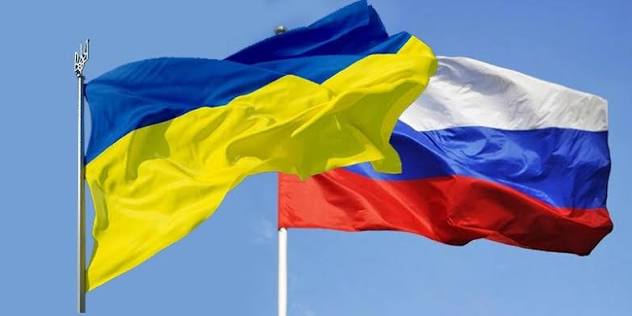
As the war in Ukraine approaches another winter, a second conflict is unfolding across Europe, largely out of sight and below the threshold of open war. Russia’s campaign of sabotage, cyberattacks, drone incursions and disruption has steadily intensified. It is now forcing European governments to face an uncomfortable question: how do you deter an adversary that attacks without ever formally declaring war?
The pattern has become familiar. Military infrastructure has been targeted, airports have faced disruptions, and companies supplying weapons to Ukraine have been the focus of hostile operations. Each incident on its own can be explained away, attributed with difficulty, or dismissed as isolated. Taken together, they form a deliberate strategy. Moscow can impose costs on Europe, test its defences and probe its political will, while staying below the threshold that would trigger NATO’s Article 5 collective defence clause. The Kremlin continues to deny involvement, and that deniability is itself central to how the strategy works.
Analysts increasingly argue that NATO’s conventional build-up has not closed this gap. The alliance has spent years reinforcing its eastern flank with troops, equipment and new defence commitments, yet these measures have done little to discourage grey-zone activity. A recent Atlantic Council report, “The Deterrence Gap,” makes the case directly. It argues that allies must persuade the Kremlin that hostile action will carry predictable, material costs, and that NATO will respond to provocations without hesitation. Its central point is that deterrence fails when an adversary believes the price of aggression is low and uncertain.
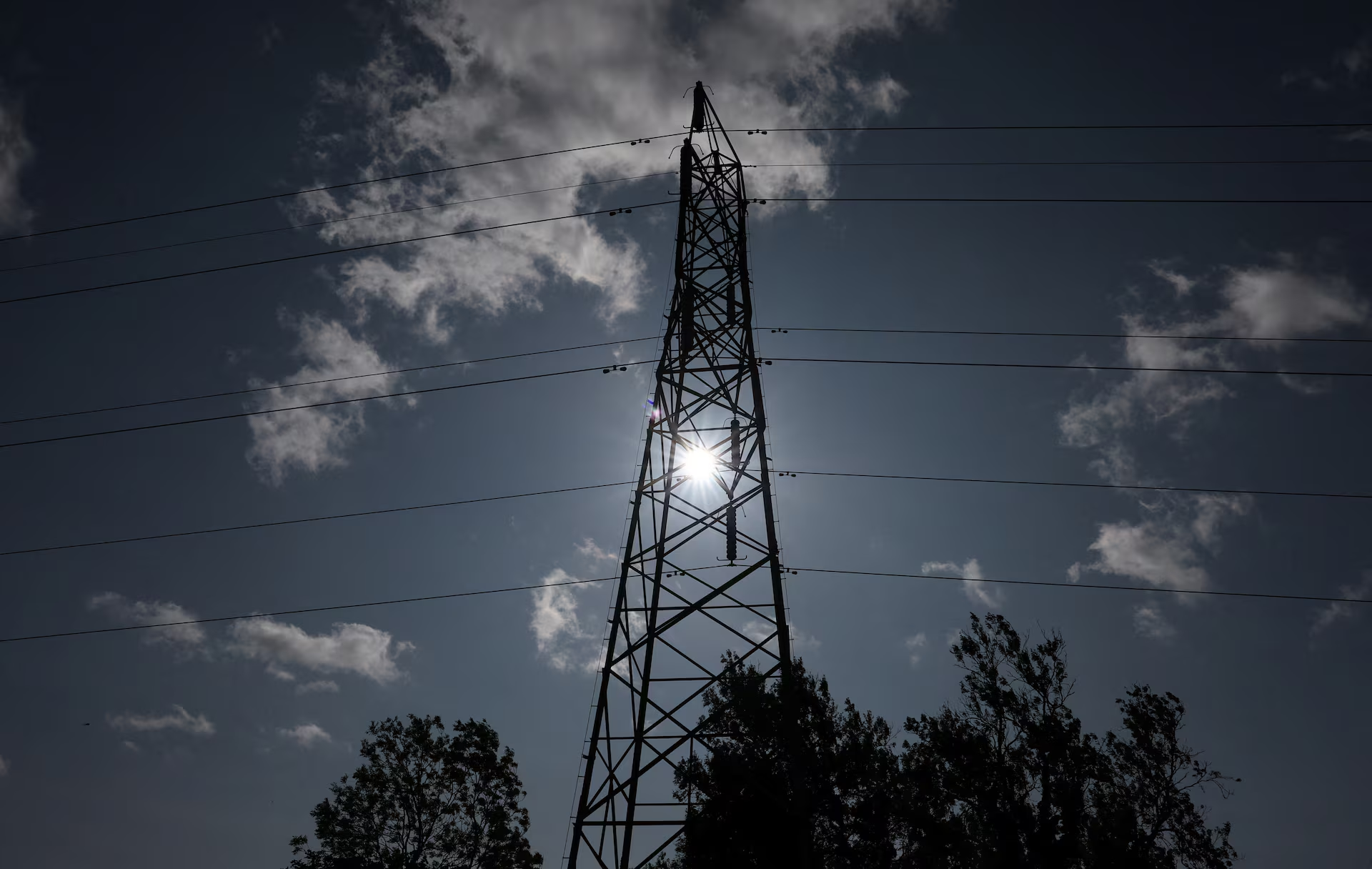
The shadow war is also becoming more intertwined with the battlefield in Ukraine. Ukrainian President Volodymyr Zelensky has accused Vladimir Putin of instructing his commanders to abandon the rules of war and step up attacks on civilian targets and nuclear energy sites, a claim Moscow has not accepted. Whatever the precise intent, the trend of recent weeks points to escalation. Deadly strikes on Ukrainian cities, attacks on energy infrastructure ahead of winter, and new capabilities such as Russian jet-powered drones carry risks that may not stay confined to Ukraine’s borders.
For Europe, the challenge is as much political as military. Responding to sabotage and cyber operations means attributing attacks quickly and publicly, sharing intelligence across borders, and agreeing on responses that are proportionate but credible. Such responses could include sanctions, expulsions, offensive cyber measures or stronger protection of critical infrastructure. Europe’s democracies, with their competing national interests, legal constraints and electoral pressures, often move more slowly than an adversary that can act at will.
Ukraine itself offers lessons. After years of facing Russian hybrid tactics alongside conventional war, Kyiv has built considerable expertise in defending energy grids, countering drones, and resisting disinformation and cyber intrusion. A growing number of European policymakers argue that drawing systematically on this experience could help secure the continent’s vulnerable infrastructure, from undersea cables and power networks to transport hubs and data centres.
There are risks in the opposite direction too. An overly aggressive response could escalate tensions with a nuclear-armed power, and some European governments remain wary of measures that might widen the conflict. That debate over how far to push back, and how quickly, is likely to shape European security policy for years to come.
The central lesson is that the line between war and peace in Europe has become blurred. Russia has shown it can wage a campaign of pressure across the continent without crossing the formal threshold of armed conflict. Whether Europe can build a response that is united, credible and sustained, without provoking the wider war it seeks to avoid, may prove one of the defining tests of this decade.