 11
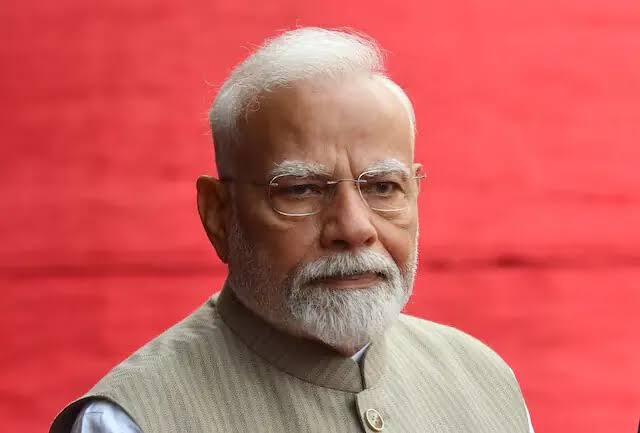
The Indian government’s attempt to stamp out protests over electoral rights in Delhi seems to have produced the opposite of what it intended. Over the weekend, authorities moved forcefully against demonstrations led by the Cockroach Janta Party (CJP), a youth-driven movement that has quickly become one of the most visible expressions of Gen Z discontent in India. Thousands of young people were detained, journalists were held, and the capital was effectively placed under lockdown. The atmosphere resembled emergency rule more than the routine policing of a democratic protest.
The movement’s founder, Abhijeet Dipke, was taken into custody along with other leaders as soon as he arrived in Delhi. Protesters who managed to reach the streets faced rough treatment or arrest. Even an order from the Supreme Court, normally cautious in confronting the executive, directing that peaceful assembly be protected did little to restrain the government’s response. For a state that describes itself as the world’s largest democracy, the disregard for a basic constitutional guarantee was striking.
A Show of Fear, Not Strength
Heavy-handed policing is often meant to project control. In this case, it projected anxiety. A government confident in its mandate has little reason to fear young citizens demanding answers about the integrity of elections. The crackdown also failed on its own terms. On Monday, thousands marched again in Delhi, calling for the resignation of India’s chief election commissioner.
At the centre of their anger are reports that more than 130 million names were removed from electoral rolls in a way that allegedly benefited Prime Minister Narendra Modi’s Bharatiya Janata Party (BJP) in recent polls. The Election Commission rejects the accusation. Yet the denial has not settled the matter, particularly since some commissioners have themselves raised concerns about voters being struck off without their knowledge.
The West Bengal Question
The case of West Bengal has given the allegations sharper focus. The BJP won the state for the first time, in a state of roughly 100 million people where Muslims make up about 27 percent of the population, after 2.7 million voters were officially removed from the rolls. In many constituencies the BJP carried, the number of deleted or disputed voters was greater than the winning margin. The courts’ response, that excluded voters may participate in the next election, offers little comfort to citizens who believe their voices were removed from this one. When the remedy for a disputed election is simply to wait for the next one, public confidence in the process is bound to erode.
From Exam Leaks to Electoral Rolls
The Cockroach movement did not begin as an electoral campaign. It emerged in May, after India’s chief justice compared unemployed young people to “cockroaches”, and drew its early energy from anger over exam paper leaks that appeared to benefit well-connected insiders. That grievance struck a nerve with a generation that has been told education is the route to mobility, only to find a labour market defined by jobless growth, weak educational standards and insecure work.
What started as frustration over rigged opportunity has now widened into a challenge to the fairness of the system itself. The link between the two is not hard to see: young Indians who already believe the ladder of opportunity is manipulated are now asking whether the ballot box is too. Daily demonstrations by student groups, political parties and the Cockroach movement have continued in the capital for weeks, suggesting this is no passing flare-up.
Institutions Under Question
Perhaps the most serious consequence of this episode is the damage to public trust in institutions meant to stand above politics. The Election Commission and the judiciary are supposed to be the guarantors of fair play. When citizens come to believe that these bodies will not act, or cannot, the democratic system loses its capacity to correct itself.
Critics argue that this erosion may be deliberate, a calculation that public anger can be outlasted as long as protesters lack the leverage to force change and accountability institutions remain passive. It is a risky bet. Democracies function in part because they provide legitimate outlets for discontent. When those outlets are closed, frustration does not disappear; it accumulates, and the risk of a more volatile confrontation grows.
Reasons for Hope, and a Historical Echo
Indian democracy still has resilience. Reporting by The Indian Express revealed that officials had objected internally to the purging of voter lists, a reminder that independent journalism and conscientious officials continue to matter. The mobilisation that followed has raised the political cost of ignoring dissent, and the issue is unlikely to fade quietly.
There is also an instructive precedent. In 2011, a wave of corruption scandals convinced many Indians that the Congress-led government had lost its moral authority. Narendra Modi channelled that public disgust into a decisive victory three years later. Today, allegations of manipulated electoral rolls carry the potential to unite a broad cross-section of citizens around a similar conviction: that the government has broken faith with them.
Conclusion
The government’s position, that the Election Commission has acted lawfully and that the allegations are politically motivated, deserves to be tested through transparent investigation rather than asserted through force. Demands for electoral fairness call for answers, audits and open debate, not mass detentions and intimidation. By responding to young protesters with tactics that resemble martial law, the Modi government has only made their grievance more visible and more compelling. If India is to protect its standing as the world’s largest democracy, it must show that its institutions can still hear criticism, examine it honestly and correct course where needed. The alternative is a widening gap between the state and a generation that increasingly feels it has nothing left to lose.