 11
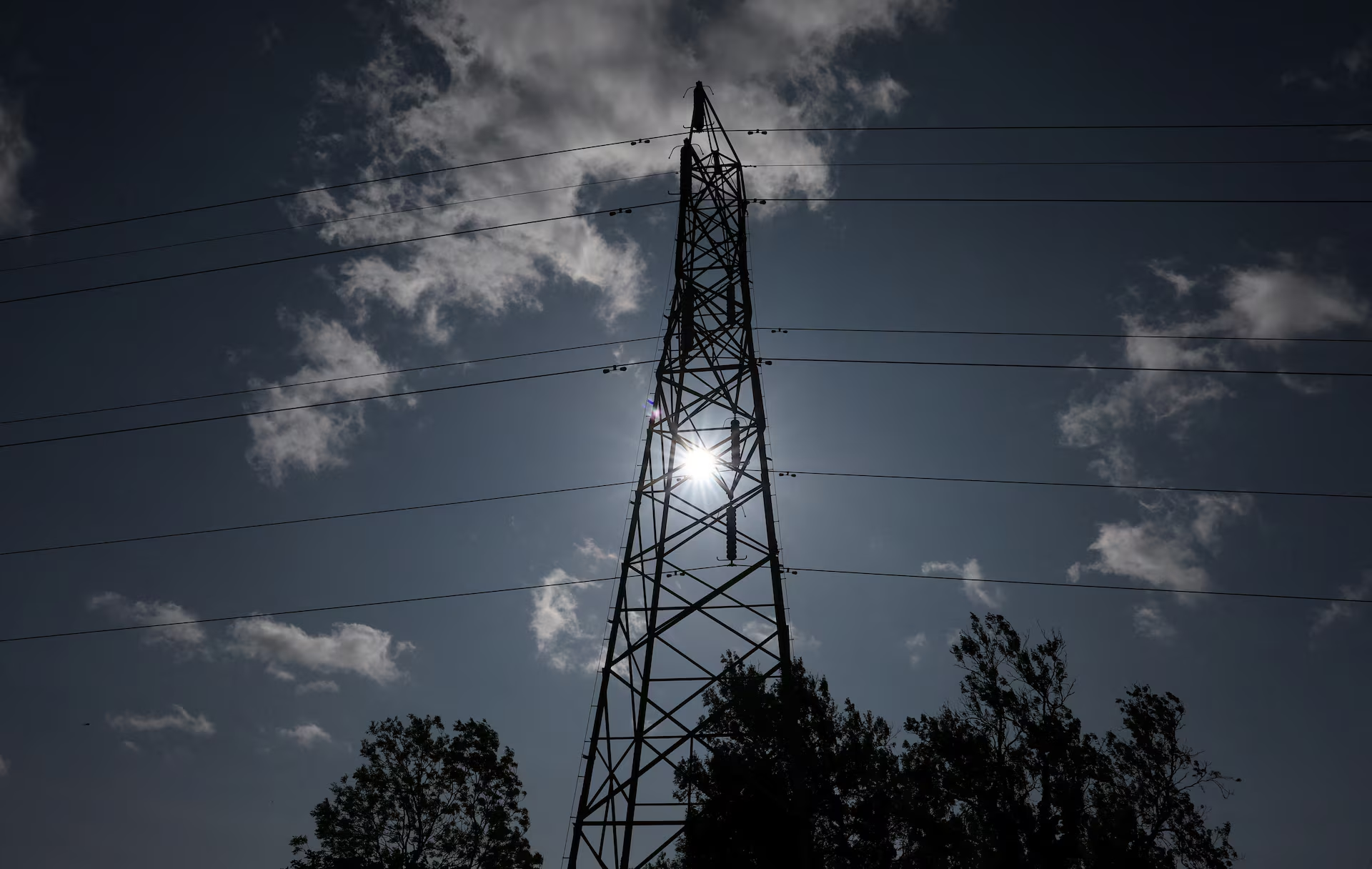
On October 21, after years of legal battles, political hesitation and shifting governments, Britain finally gave the green light to the Jackdaw gas field. Energy Secretary Miatta Fahnbulleh agreed that the North Sea Transition Authority could grant consent for production, and gas from the field, located roughly 150 miles east of Aberdeen, is expected to begin flowing into British homes and businesses by the end of this month.
Prime Minister Andy Burnham has framed the decision as a matter of pragmatism. Critics call it a betrayal of Labour’s climate promises. The truth is more uncomfortable than either side admits: Jackdaw is a small field carrying an outsized symbolic burden, and the debate around it reveals how unresolved Britain’s energy strategy remains.
A long and contested road
Jackdaw is hardly a new project. The field was first licensed in 1970, and its operator, Adura, a joint venture between Shell and Norway’s Equinor, received regulatory approval under a Conservative government in 2022. That consent was later struck down by a Scottish court over its climate impact, forcing a fresh assessment that took into account a far broader range of greenhouse gas emissions, including those released when the gas is eventually burned.
That is why the government argues the decision does not breach Labour’s 2024 manifesto pledge to issue no new oil and gas licences. Jackdaw already held one. Technically, the promise stands. Politically, the distinction is lost on many Labour supporters who see any expansion of fossil fuel production as a step backwards.
What Jackdaw actually delivers
The government’s case rests on energy security. It argues that recent turmoil in the Middle East has triggered global energy shocks and driven up household bills, and that homegrown supply offers a measure of national resilience. Jackdaw is expected to raise domestic gas production by around 6 percent at its peak, over a working life of up to 11 years. The developer estimates a contribution of about £2.9 billion to the economy.
The jobs picture is more modest. Burnham has said the decision protects hundreds of jobs, but the developer’s own figures point to 27 new direct jobs, alongside around 273 existing posts that would otherwise have been lost. Those are real livelihoods, especially in a north-east Scotland economy built over generations on offshore energy. But with an 11-year lifespan, the field secures them for a decade, not a career.
The most striking admission came from the Energy Secretary herself, who acknowledged that Jackdaw will not lower household energy bills, conceding it was not even a factor in the decision. The official decision document rates its effect on bills as negligible. Britain’s gas prices are set on international markets, and an extra 6 percent of a declining domestic output does little to change that.
The Energy Wealth Fund: a political counterweight
Recognising the backlash, the government paired the approval with a new Energy Wealth Fund, launched with an initial £2 billion and designed to channel future North Sea tax revenues into renewable and low-carbon projects. The message is clear: today’s fossil fuel revenues will finance tomorrow’s clean energy.
The idea has drawn support from unexpected quarters. Scotland’s First Minister John Swinney has backed the fund but urged that it be ring-fenced for offshore renewables in the north-east of Scotland, where the transition will be felt most acutely. That request highlights a crucial point. A transition fund is only as credible as its ability to reach the communities and workers who stand to lose the most.
Whether the fund becomes a genuine engine of industrial renewal or a modest political cushion will depend on how quickly money flows and how firmly it is protected from the Treasury’s short-term pressures.
The structural reality of the North Sea
The deeper problem is that the North Sea is in long-term decline regardless of any single approval. Production has fallen sharply since its peak in the late 1990s, and jobs have fallen with it. Economists who study the sector point out that even during a temporary rise in output between 2013 and 2019, employment continued to drop. The old assumption that more drilling means more jobs no longer holds.
This is the heart of the argument made by those who favour an accelerated transition. On some estimates, the net-zero shift could create tens of thousands more energy jobs than it eliminates, but only if governments actively plan where those jobs will be, what skills they require and how workers move from one industry to the next. Left to market forces, the transition risks repeating the deindustrialisation that scarred Britain’s coal regions in the 1980s.
Jackdaw, in that light, is neither a lifeline nor a catastrophe. It is a distraction from the larger question: what is the plan for the tens of thousands of skilled workers whose industry is winding down?
Pressures from every direction
Burnham now finds himself squeezed from both sides. Green Party leader Zack Polanski condemned the move as climate vandalism, environmental groups accused the government of bowing to the fossil fuel lobby, and some Labour MPs voiced open dismay. The decision risks alienating the left-leaning voters Burnham has worked to win back.
On the other side, the Scottish Conservatives and industry groups have welcomed Jackdaw but immediately shifted their pressure to Rosebank, the far larger undeveloped oil and gas field west of Shetland, on which no final decision has been made. Industry bodies are also pushing for changes to the windfall tax on energy profits, arguing it is driving investment away. From across the Atlantic, President Donald Trump has hailed the approval and urged Britain to exploit the North Sea to the fullest.
There is an international legal dimension as well. The decision includes an explicit response to the 2025 advisory opinion of the International Court of Justice on states’ climate obligations, concluding that Jackdaw will not materially affect Britain’s ability to meet its carbon budgets. Legal scholars and campaigners are likely to test that reasoning, and fresh court challenges cannot be ruled out.
The road ahead
Coming after Britain’s hottest summer on record, the timing of the decision has sharpened the sense of contradiction. A government that has promised to make Britain a clean energy superpower is approving new fossil fuel production while admitting it will not cut bills.
Yet energy policy rarely offers clean choices. Supply security, affordable bills, decent jobs and climate commitments pull in different directions, and every government must make trade-offs among them. The real test of Burnham’s “pragmatism” will not be Jackdaw itself, but what follows: the decision on Rosebank, the scale and speed of the Energy Wealth Fund, and whether North Sea workers see a concrete future rather than another decade of uncertainty.
Jackdaw buys Britain a little gas and a little time. The question is whether that time will be used to build the transition, or simply to postpone it.