 11
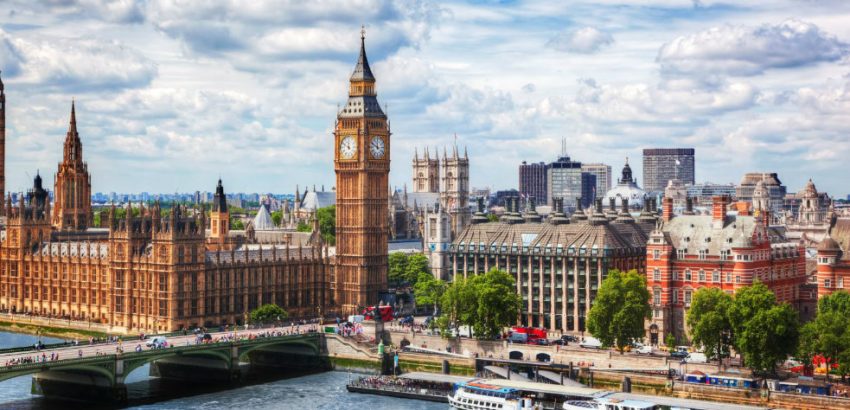
London: The Bank of England is widely expected to raise interest rates on Thursday for the first time in three years, as mounting inflationary pressures stemming from the US-Iran war push the central bank onto a tightening path already taken by all of its main global peers.
Economists polled by Reuters expect the Bank’s Monetary Policy Committee (MPC) to vote 7-2 in favour of raising Bank Rate to 4% from 3.75%. The move would mark the first increase since August 2023, when inflation stood above 6%, and the first change in rates since a cut last December.
“I think they will have pushed through with a hike,” said Hetal Mehta, chief economist at wealth manager St James’s Place. She added that a rise in energy prices a couple of months ago, together with more recent signs of resilient economic growth, was likely to have tipped the balance on the committee.
At the MPC’s previous meeting in September, a 6-3 majority voted to keep rates on hold. Last month, Governor Andrew Bailey said businesses appeared to be absorbing higher costs to a far greater extent than in 2022, when inflation reached 11% following Russia’s full-scale invasion of Ukraine.
Prolonged Conflict Raises Inflation Risks
However, the longer the US-Iran conflict persists, keeping oil prices around $100 a barrel and natural gas prices at triple their pre-conflict levels, the greater the risk that these cost pressures spread more widely through the British economy.
Inflation rose more sharply than expected in September to 3.5%, well above the Bank’s 2% target and the 3% it had forecast in late July in its most recent full set of projections, which were prepared during a temporary lull in the conflict.
Britain’s economy has also proved more resilient than anticipated, possibly supported by investment in artificial intelligence. Gross domestic product in August recorded its largest annual rise since 2022, while in the first half of the year the UK posted the joint-fastest growth among the Group of Seven economies.
Nonetheless, there have so far been few signs of significant “second-round” effects of inflation on wage settlements, with businesses forecasting annual pay deals of around 3.5% next year, broadly in line with 2026. Finance Minister John Healey’s first annual budget, delivered last week, did little to alter the outlook for either growth or inflation.
Policymakers Divided on Scale of Threat
Members of the MPC have been divided over whether they should wait for at least preliminary evidence of second-round effects before raising rates, or whether doing so would risk acting too late to contain inflation, which has exceeded the target for almost all of the past five years.
Governor Bailey has so far justified holding rates by pointing to the sharp rise in market interest rates after the outbreak of the conflict, as investors abandoned earlier expectations of rate cuts this year, a shift that has pushed up British mortgage rates more than in other countries. Some policymakers, however, including Catherine Mann, have expressed concern that part of the increase in rate expectations reflects fears that the Bank could lose control of inflation.
Financial markets are currently pricing in at least three quarter-point increases next year, in addition to this month’s expected hike, which would lift British interest rates above those projected for the United States. Earlier market bets on aggressive tightening by the Bank have previously proved premature, and most economists anticipate a far more modest series of increases.
Peder Beck-Friis, an economist at PIMCO, which manages more than $2 trillion in assets, said he expected only one further rate rise next year, in February, followed by an extended pause, particularly as the British economy appears weaker than that of the United States.
“Without strong second-round effects on core inflation, we see this tightening as a risk-management calibration,” he said.