 11
11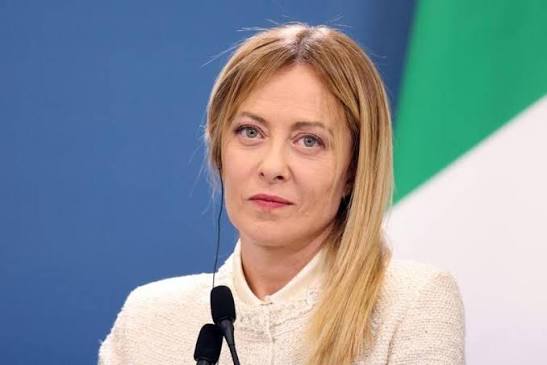
Italian politics is entering a new phase as the steady decline of Matteo Salvini and his League party threatens to alter the balance within the country’s ruling right-wing coalition. While Prime Minister Giorgia Meloni remains Italy’s most popular conservative leader, the weakening of one of her key coalition partners raises questions about the durability of the alliance that brought the right to power and its prospects for the 2027 general election.
Salvini’s political trajectory illustrates a dramatic reversal of fortunes. Once the dominant figure of Italy’s nationalist movement, he transformed the League from a regional party into a nationwide force and briefly became the country’s most influential politician in 2019. However, years of strategic miscalculations, changing voter priorities, and Meloni’s rise have steadily eroded his influence. Recent opinion polls place the League at historically low levels, while Meloni’s Brothers of Italy continues to dominate the conservative electorate.
For Meloni, Salvini’s decline presents both an opportunity and a challenge. On one hand, the Prime Minister has successfully consolidated leadership of Italy’s right, attracting voters who once supported the League. Her government has projected greater stability than many previous Italian administrations, strengthening her image as the coalition’s undisputed leader. On the other hand, coalition politics depends not only on the strength of the leading party but also on the electoral viability of its partners. If the League continues to lose support, the entire centre-right alliance could struggle to secure a parliamentary majority despite Meloni’s personal popularity.
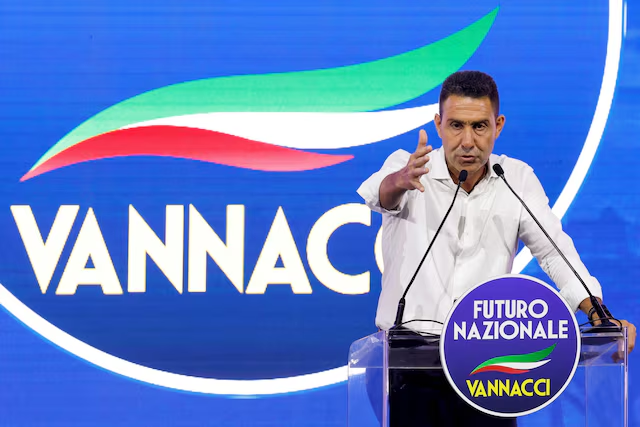
The emergence of new nationalist competitors has further complicated Salvini’s position. Dissatisfaction within the League has fuelled speculation about potential leadership changes, while ambitious regional figures are increasingly viewed as credible successors. Internal divisions weaken the party’s negotiating power within government and create uncertainty over its future direction.
Another factor behind Salvini’s decline is the evolution of voter concerns. During the migration crisis, immigration dominated political debate and played to Salvini’s strengths. Today, however, Italian voters are increasingly focused on inflation, economic growth, public services and transport infrastructure—areas where Salvini, as transport minister, has faced criticism over persistent rail disruptions and service problems. This shift has reduced the political impact of the issues that once propelled him to national prominence.
The situation also highlights a broader transformation across Europe’s conservative politics. Many right-wing parties have moved from protest movements into governing parties, where competence and economic management often matter more than confrontational rhetoric. Meloni has largely adapted to this transition by presenting herself as a pragmatic leader, while Salvini has struggled to redefine his political identity after years of campaigning on anti-establishment themes.
Looking ahead, Italy’s political future will depend not only on Meloni’s popularity but also on whether the centre-right can maintain unity. A fragmented conservative bloc could provide an opening for the centre-left opposition, even if Meloni remains the country’s strongest individual political figure. Conversely, if the League renews its leadership and rebuilds support, the coalition could emerge stronger and more competitive.
Ultimately, Salvini’s decline is about more than the fall of a single politician. It reflects the changing nature of Italian politics, where leadership, economic credibility and coalition management are becoming increasingly important. For Giorgia Meloni, the challenge is no longer establishing herself as the leader of Italy’s right—it is ensuring that her allies remain strong enough to keep the coalition in power.