 111
111 2
2 3
3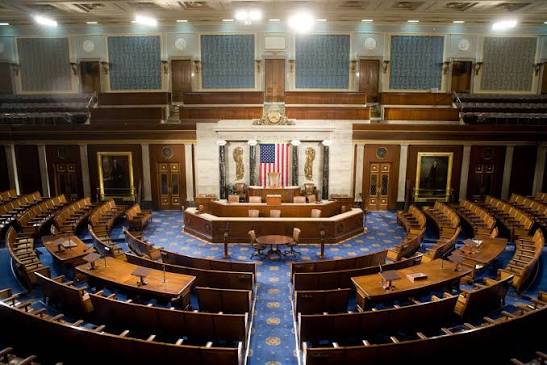
The U.S. House of Representatives’ approval of a $1.15 trillion defense policy bill marks more than another annual budget exercise—it reflects Washington’s growing conviction that military strength remains the cornerstone of national security in an increasingly unstable world. Yet the narrow, deeply partisan vote also exposes a fundamental question: Can ever-rising defense spending deliver lasting security without a parallel investment in diplomacy and domestic resilience?
Supporters argue that the legislation is a necessary response to mounting geopolitical challenges, from strategic competition with China to the ongoing conflict involving Iran and heightened tensions in the Middle East. They contend that maintaining military superiority, modernizing defense capabilities, and strengthening alliances are indispensable in an era of complex security threats.
Critics, however, see a different picture. They question whether allocating more than a trillion dollars to defense is prudent when the United States faces pressing domestic issues, including healthcare, education, infrastructure, and a growing national debt. The bill’s provisions expanding military technology cooperation with Israel have further fueled debate, particularly amid concerns that deeper military commitments could intensify regional conflicts rather than contain them.
The timing of the legislation is equally significant. With the Pentagon acknowledging that the conflict involving Iran has already imposed substantial financial costs, lawmakers are increasingly divided over whether continued military escalation serves long-term American interests. Public scrutiny is also growing over the balance between overseas commitments and domestic priorities.
History offers a cautionary lesson. Military power is an essential instrument of national defense, but it is rarely sufficient on its own to secure lasting peace. Sustainable security depends not only on advanced weaponry and larger budgets but also on effective diplomacy, strategic alliances, economic stability, and political consensus at home.
The trillion-dollar defense bill therefore represents more than a spending measure—it symbolizes America’s broader strategic direction. Whether it ultimately strengthens global stability or deepens geopolitical polarization will depend less on the size of the budget than on how wisely that power is exercised.
In an era defined by interconnected global challenges, the true measure of national strength may not be how much a nation spends on defense, but how effectively it balances military preparedness with diplomacy, economic resilience, and international cooperation.